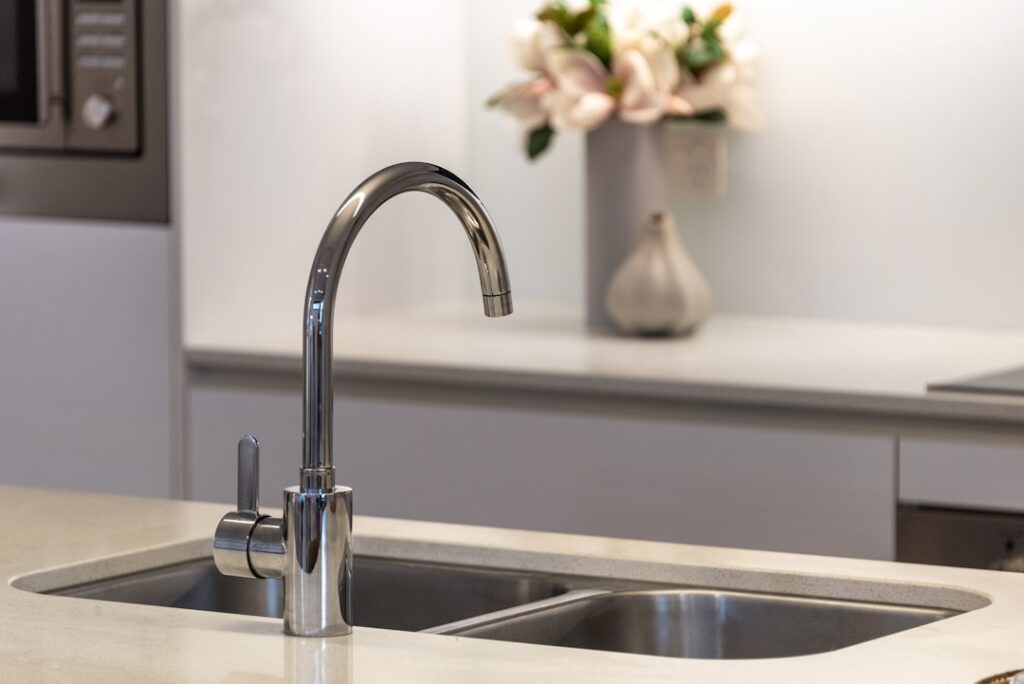
Stainless steel is tougher than it looks, but it shows every water spot, fingerprint, and streak, which is why a sink that is technically clean can still look grimy. If you are wondering what can I use to clean my stainless steel sink without scratching it or leaving it dull, the answer is a short list of gentle, mostly household products used in the right order. The metal is not fragile, but its brushed finish scratches under abrasive pads and reacts to a few surprising chemicals, so knowing what to avoid matters as much as what to use.
This guide covers the safe everyday cleaners, a reliable deep-clean method, how to remove hard-water spots and light scratches, and the products that will damage your sink if you reach for them.
Everyday Cleaning: Keep It Simple
For daily maintenance, you do not need anything special. Warm water and a few drops of grease-cutting dish soap on a soft cloth or sponge remove food, grease, and light grime perfectly well. Wipe in the direction of the steel’s grain, the faint brushed lines you can see in the surface, rather than in circles, because working with the grain keeps the finish uniform and hides fine marks.
The step almost everyone skips is drying. Stainless steel spots because minerals in tap water are left behind when droplets evaporate, so rinsing and then wiping the sink dry with a clean towel after each use is the single most effective habit for keeping it bright. A sink that is washed daily but never dried will always look cloudy; one that is dried takes on a consistent shine with almost no other effort.
The Baking Soda Deep Clean
When the sink needs more than a wipe, baking soda is the workhorse. It is mildly abrasive, enough to scrub away stuck-on food and light stains, but soft enough not to scratch the steel. Sprinkle a light layer of baking soda across the damp basin, then scrub gently with a soft cloth or non-scratch sponge, following the grain of the metal.
For a deeper clean and to tackle odor from the drain, follow the baking soda with a spritz of white vinegar. The two react and fizz, and that foaming action helps lift grime out of textured areas and around the drain. Let it bubble for a minute or two, then scrub and rinse thoroughly with warm water. Do not leave vinegar sitting on the steel for long periods, since prolonged acid contact can dull the finish; a quick reaction and rinse is all you want.
Removing Hard-Water Spots and Mineral Stains
White, cloudy spots and chalky rings are mineral deposits from hard water, and mild acid dissolves them. Dampen a cloth with white vinegar, or lay a vinegar-soaked paper towel over the stubborn spots for five minutes, then wipe with the grain and rinse. For heavier calcium and lime buildup around the faucet base, a dedicated lime-and-scale remover works, but test it in an inconspicuous corner first and rinse promptly.
Fresh lemon juice does the same job and leaves a pleasant scent; rub a cut lemon over the spots, let it sit briefly, then rinse and dry. After removing water spots, always finish with a full rinse and a dry towel, because leaving any acidic residue defeats the purpose and can etch the surface over time. Consistent drying prevents these deposits from forming in the first place.
Restoring Shine and Hiding Light Scratches
To give a clean sink a real luster, a thin film of oil does what no cleaner can. After the sink is completely dry, put a few drops of olive oil or mineral oil on a soft microfiber cloth and buff the basin with the grain. The oil fills microscopic texture, repels water so future spotting is reduced, and leaves a low, natural shine. Wipe off any excess so the surface is not greasy.
Fine surface scratches, which are normal on any working sink, can be blended with a stainless steel cleaner and polish or a specialty scratch-removal compound applied strictly along the grain. Deep gouges cannot be fully erased at home, but keeping the finish uniform and oiled makes light scratching nearly invisible. Never try to buff across the grain to remove a scratch; that only creates a wider, more noticeable dull patch.
What to Keep Away from Stainless Steel
Several common products damage stainless steel, and this list is worth memorizing. Steel wool and abrasive scouring pads leave permanent scratches and can embed tiny iron particles that later rust as orange specks on the surface. Chlorine bleach is corrosive to stainless and causes pitting; never soak the sink in bleach or leave bleach-based cleaners sitting in the basin. Rinse immediately if bleach touches the steel.
Also avoid leaving cast-iron pans, steel wool pads, or wet metal cans sitting in the sink, since they can transfer rust to the surface. Harsh oven cleaners and products containing hydrofluoric or muriatic acid will etch and discolor the metal. Stick to soap, baking soda, vinegar in moderation, and dedicated stainless cleaners, and your sink stays intact for decades.
A Simple Weekly Routine
Put it together into a routine and the sink stays effortlessly bright. Every day, wash with dish soap, rinse, and towel dry. Once a week, do the baking soda scrub with the vinegar rinse to keep the drain fresh and remove any film. Whenever spots appear, treat them with vinegar or lemon and dry immediately. Every week or two, buff with a drop of oil to restore shine and repel water.
The theme across all of it is gentle products and dry finishes. When people ask what can I use to clean my stainless steel sink, they usually expect a special product, but the honest answer is that ordinary dish soap, baking soda, and a dry towel outperform most specialty cleaners, as long as you work with the grain and never reach for abrasives or bleach.
Deodorizing the Sink and Drain
A clean-looking sink can still smell, and the odor almost always comes from the drain and disposal rather than the basin. To freshen it, pour a half cup of baking soda down the drain followed by a cup of white vinegar, let it fizz for five to ten minutes to break down the greasy film coating the pipe, then flush with a kettle of boiling water. This clears the buildup that traps food particles and bacteria responsible for the smell.
For a garbage disposal, grind a few ice cubes to scour the blades and inner chamber, then run half a lemon or some citrus peels through it to leave a fresh scent and cut grease. Do this every week or two if you cook often. Keeping the drain clear does more for a fresh-smelling kitchen than any amount of scrubbing the visible basin, since the odor source is usually just out of sight.
Preventing Rust Spots and Discoloration
Quality stainless steel resists rust, but the surface can still develop orange spots, and understanding why prevents them. Those spots are almost never the sink itself rusting; they are iron transferred from other objects, a wet cast-iron pan left sitting overnight, a steel-wool pad, or a rusty can, which deposits tiny iron particles that then oxidize on the surface. Remove them with a baking soda paste scrubbed along the grain, and the underlying steel is usually unharmed.
Prevent the transfer in the first place by not leaving cast iron, steel wool, or metal cans standing in a wet sink, and by rinsing and drying the basin after washing such items. Avoid leaving acidic or salty foods, citrus, tomato sauce, or salt, sitting in the sink for long periods, since prolonged contact can pit the finish over time. These small habits, combined with regular drying, keep a stainless sink spot-free and bright for the full life of the kitchen.