
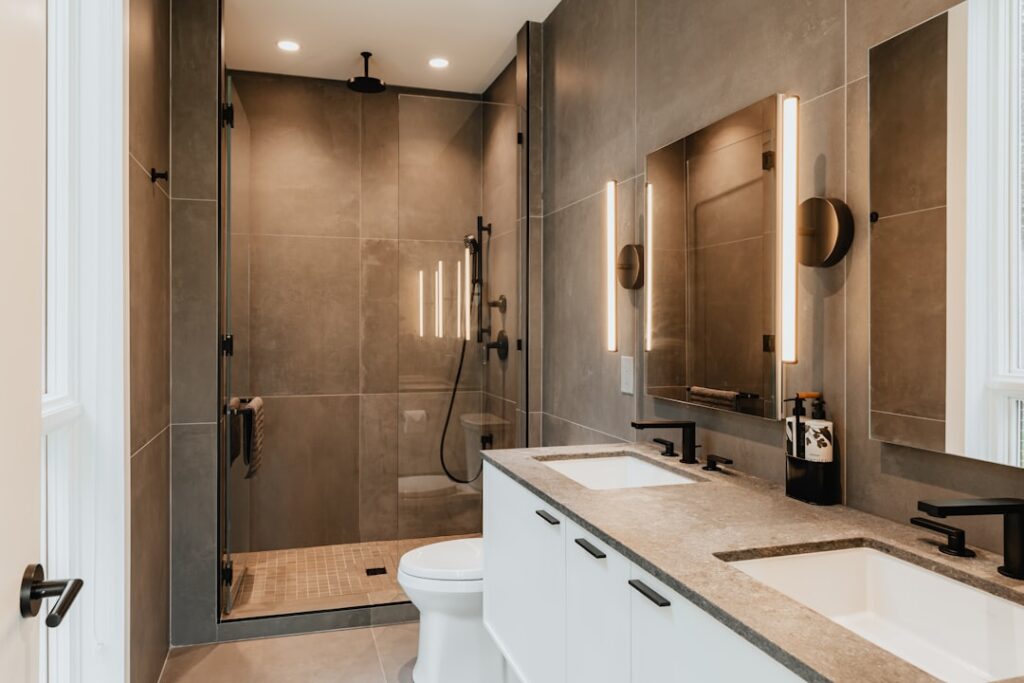
If you are remodeling a bathroom or building new, you will hear the term constantly, so it helps to know exactly what is a shower stall and how it differs from other shower options. A shower stall is a self-contained, enclosed shower space separate from a bathtub, designed solely for standing showers. It is bounded by walls and a door or curtain, with its own floor pan and drainage, making it a dedicated, efficient alternative to a combined tub-shower. Understanding the types, sizes, and materials helps you choose the stall that fits your space and budget.
Shower Stall vs Tub-Shower Combo
The key distinction is that a shower stall stands alone. A tub-shower combo puts a showerhead over a bathtub, serving double duty for bathers and showerers. A shower stall, by contrast, has no tub; it is a compact enclosure built for showering only. This makes stalls ideal for smaller bathrooms, secondary baths, basements, and anyone who prefers showers to baths. They use less floor space than a full tub and create a clean, modern look.
The Two Main Types: Prefab vs Tiled
Shower stalls generally fall into two categories, and the choice between them shapes cost, installation, and appearance.
Prefabricated (Prefab) Shower Stalls
Prefab stalls are manufactured units made from molded acrylic or fiberglass, sold as either one solid piece or a kit of panels and a base that snap together. They arrive ready to install, with the walls, base, and sometimes a built-in seat or shelves already formed.
- Pros: lower cost, faster and easier installation, fewer seams to leak, simple to clean with no grout, and consistent quality.
- Cons: limited size and style options, less customizable, and one-piece units can be hard to fit through doorways.
Tiled Shower Stalls
A tiled stall is built on-site with a waterproof base and walls finished in ceramic, porcelain, or stone tile. It is fully custom in shape, size, and design.
- Pros: unlimited design flexibility, premium look, custom dimensions, and high-end appeal that can add home value.
- Cons: higher cost, longer and more skilled installation, and grout lines that need regular cleaning and periodic resealing to stay waterproof.
Common Shower Stall Sizes
Stalls come in a range of sizes to fit different bathrooms. Knowing the standard footprints helps you plan. A common minimum is around 32 by 32 inches, though building codes generally call for at least 30 by 30 inches of interior space for comfort and safety. More comfortable stalls run 36 by 36 inches or 36 by 48 inches, and larger custom showers can be much bigger.
- Compact: roughly 32 by 32 inches, suited to small or half baths.
- Standard: around 36 by 36 inches, a comfortable everyday size.
- Spacious: 36 by 48 inches or larger for a roomier feel or bench seating.
Corner stalls, often neo-angle designs, are popular for tucking a shower into a corner and saving space in tight bathrooms.
Materials and Finishes
Beyond the prefab acrylic and fiberglass units, tiled stalls open up a wide material palette. Porcelain and ceramic tile are durable and water-resistant standbys, while natural stone like marble or slate adds luxury at a higher price and with more maintenance. Glass enclosures, whether a clear glass door and panels or a fully frameless surround, give any stall a bright, open, modern feel and make small bathrooms appear larger. Solid surface and cultured stone bases offer a seamless, low-maintenance middle ground between prefab and full tile.
Doors and Enclosures
How you close off the stall affects both function and style. Options include hinged glass doors, sliding glass doors for tight spaces, framed or frameless glass, and simple shower curtains for budget builds. Frameless glass looks sleek and shows off tile work but costs more, while framed doors and curtains are more economical. For very small stalls, a sliding door avoids the swing clearance a hinged door requires.
How to Choose the Right Shower Stall
Start with your space and budget. If the bathroom is small and you want a quick, affordable install, a prefab acrylic or fiberglass stall is hard to beat. If you want a custom look, specific dimensions, or a high-end finish and have the budget for skilled installation, a tiled stall delivers. Measure your available footprint, confirm it meets local code minimums, and check that any one-piece prefab unit can actually be carried into the bathroom. Then weigh maintenance: prefab means easy wipe-downs, while tile means more upkeep in exchange for design freedom.
Accessibility and Special Features
Modern shower stalls can do far more than provide a basic place to wash. For aging-in-place or accessibility needs, curbless (zero-threshold) stalls allow wheelchair and walker access by eliminating the step-over barrier, paired with a sloped, fully waterproofed floor that drains properly. Built-in benches or fold-down seats add comfort and safety, and grab bars anchored into blocking provide secure support. Other popular features include recessed niches for storing toiletries without protruding shelves, rainfall or handheld showerheads, body sprays, and steam shower capability in fully sealed enclosures. Whether prefab or tiled, planning these features in from the start is far easier than retrofitting them later.
Maintenance Differences to Expect
Upkeep is one of the clearest practical differences between stall types, and it is worth weighing before you decide. A prefab acrylic or fiberglass unit has smooth, nonporous surfaces with few or no seams, so it wipes clean quickly and has no grout to scrub, mold, or reseal. A tiled stall looks more upscale but the grout lines require regular cleaning, periodic resealing, and attention to prevent mildew and water intrusion over the years. Glass enclosures of either type benefit from a quick squeegee after each use to fight hard-water spots. Factoring in how much cleaning you are willing to do, and how the surfaces will hold up in your climate and water hardness, helps ensure you stay happy with the stall long after installation.
The Bottom Line
A shower stall is simply a dedicated, enclosed shower space without a tub, and it comes in two main flavors: convenient, budget-friendly prefab units and fully customizable tiled builds. Choose based on your bathroom size, your budget, how much maintenance you want, and the look you are after. Whether you opt for a quick-install acrylic kit or a custom tiled surround with frameless glass, a well-chosen stall makes for an efficient, attractive, and functional bathroom centerpiece.


