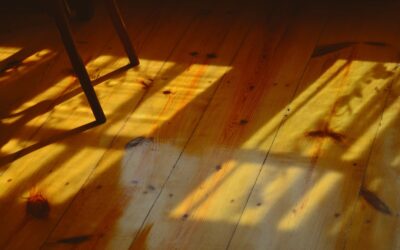
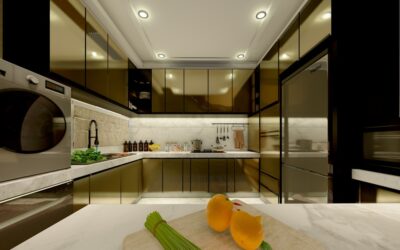
If you have been shopping for new floors, you have almost certainly come across LVP. So what is LVP flooring exactly? LVP stands for Luxury Vinyl Plank — a multi-layer synthetic flooring product that realistically mimics the look of hardwood while being 100% waterproof, more affordable, and easier to install.
LVP has become the most popular flooring choice in North America, outselling hardwood, laminate, and tile in both new construction and renovations. This guide explains everything you need to know about LVP in 2026, from how it is made and what it costs to the honest pros and cons you should consider before buying.
What Is LVP Flooring?
LVP flooring (Luxury Vinyl Plank) is an engineered flooring product made from multiple layers of PVC vinyl. Each plank is designed to look and feel like a real hardwood board, with detailed grain patterns, textured surfaces, and realistic color variation. Unlike sheet vinyl or VCT tile from decades past, modern LVP is a premium product that is nearly indistinguishable from real wood at a glance.
LVP comes in individual planks — typically 6-9 inches wide and 36-72 inches long — that click together with an interlocking mechanism. This means no glue, no nails, and no special tools for installation. The planks float over your existing subfloor, making it one of the easiest flooring materials to install.
LVP vs. LVT: What Is the Difference?
LVP (Luxury Vinyl Plank) mimics the look of wood and comes in plank shapes. LVT (Luxury Vinyl Tile) mimics the look of stone or tile and comes in square or rectangular tile shapes. Both are made from the same material and technology — the only difference is the shape and the look they replicate.
How LVP Is Made: Layer by Layer
Understanding LVP’s construction helps you evaluate quality. Every LVP plank has four main layers:
| Layer | Function | What to Look For |
|---|---|---|
| Wear Layer (top) | Protects against scratches, stains, and UV | Thickness: 12 mil (min) to 28+ mil (commercial). Thicker = more durable |
| Decorative Layer | High-resolution printed image of wood grain | More unique patterns = more realistic look |
| Core Layer | Structural rigidity and stability | SPC (stone) or WPC (wood) core. Determines feel and dent resistance |
| Backing Layer (bottom) | Moisture barrier, sound absorption, cushion | Attached underlayment (cork or IXPE) eliminates need for separate pad |
SPC vs. WPC Core
The two main core types offer different performance characteristics:
| Feature | SPC (Stone Polymer Composite) | WPC (Wood Polymer Composite) |
|---|---|---|
| Composition | Limestone + PVC | Wood flour + PVC |
| Density | Very rigid, dense | Slightly softer, lighter |
| Dent Resistance | Excellent | Good |
| Comfort Underfoot | Firmer | Softer, warmer |
| Temperature Stability | Excellent (minimal expansion) | Good |
| Thickness | 4 – 6 mm | 5.5 – 8 mm |
| Price Range | $2.50 – $6/sq ft | $3.50 – $7/sq ft |
| Best For | Basements, rentals, high-traffic areas | Living rooms, bedrooms, comfort-focused |
LVP vs. Other Flooring Types
| Feature | LVP | Hardwood | Laminate | Tile |
|---|---|---|---|---|
| Waterproof | Yes | No | Water-resistant | Yes |
| Cost (installed) | $4 – $10/sq ft | $8 – $18/sq ft | $3 – $8/sq ft | $6 – $15/sq ft |
| DIY Friendly | Very easy | Moderate | Easy | Difficult |
| Durability | 15 – 25 years | 25 – 100+ years | 10 – 20 years | 25 – 75 years |
| Refinishable | No | Yes (multiple times) | No | No |
| Home Value Impact | Neutral to positive | Strong positive | Neutral | Positive |
| Comfort Underfoot | Good (especially WPC) | Good | Fair | Cold/hard |
| Pet Friendly | Excellent | Fair (scratches) | Good | Good |
Pros & Cons of LVP Flooring
Pros
- 100% waterproof: LVP can be submerged in water without damage, making it safe for kitchens, bathrooms, basements, and laundry rooms
- Affordable: 40-60% less than hardwood for a similar look
- Easy DIY installation: Click-lock planks float over most existing floors, no glue or nails required. Most rooms can be completed in a day
- Realistic appearance: Modern embossed-in-register (EIR) technology means the surface texture matches the printed grain pattern perfectly
- Low maintenance: Sweep and damp mop with a spray mop — that is all it needs
- Pet and kid proof: Scratch-resistant wear layers handle claws, toys, and dropped objects
- Comfortable and warm: Softer underfoot than tile or stone, and warmer than ceramic in bare feet
Cons
- Cannot be refinished: Once the wear layer is worn through, the floor must be replaced. Hardwood can be sanded and refinished multiple times
- Does not add home value like hardwood: While LVP is accepted by buyers, it does not carry the same premium as real wood
- Can look artificial up close: Budget LVP (under $2/sq ft) often has repetitive patterns and a plastic look. Invest in mid-range or higher for realistic results
- Off-gassing concerns: Some vinyl products release VOCs. Look for FloorScore or GreenGuard Gold certification
- Susceptible to heavy point loads: Very heavy furniture or appliances can dent some LVP. Use furniture pads and avoid dragging
- Not eco-friendly: LVP is a petroleum-based product that is not biodegradable or easily recyclable
LVP Flooring Cost
| Quality Tier | Material Cost/Sq Ft | Installed Cost/Sq Ft | Features |
|---|---|---|---|
| Budget | $1.50 – $2.50 | $3 – $5 | 6-12 mil wear layer, basic patterns |
| Mid-Range | $2.50 – $5 | $5 – $8 | 20 mil wear layer, EIR texture, attached pad |
| Premium | $5 – $8+ | $8 – $12 | 28+ mil wear layer, hand-scraped texture, lifetime warranty |
For a typical 1,000 square foot project, expect to spend $3,000-$5,000 for materials or $5,000-$8,000 installed. This compares favorably to hardwood at $8,000-$18,000 installed for the same area.
Best Rooms for LVP
LVP’s waterproof nature and durability make it suitable for virtually every room in your home:
- Kitchens: Waterproof, comfortable for standing, easy to clean spills. Pair with sage green cabinets for a 2026 look
- Bathrooms: Fully waterproof including the core. A warmer, more comfortable alternative to tile in a black and white bathroom design
- Basements: SPC core LVP handles moisture and concrete subfloors perfectly. No need for plywood underlayment
- Living rooms: Realistic wood look creates a warm, inviting space. WPC core adds comfort
- Bedrooms: Softer and warmer than laminate. Pair with area rugs for extra comfort
- Entryways: Handles tracked-in dirt, mud, and snow without damage
- Laundry rooms: Waterproof and easy to clean — ideal for washer leaks and drips
Installation Methods
Click-Lock Floating Installation (Most Common)
Planks snap together and float over the subfloor. No adhesive needed. This is the standard method for most residential LVP and the easiest for DIY. Allow a 1/4-inch expansion gap around all walls.
Glue-Down Installation
Each plank is adhered to the subfloor with vinyl adhesive. This creates the most stable installation and is preferred for large open areas (over 40 feet in any direction), commercial settings, and sunrooms with direct sunlight.
Loose Lay Installation
Heavy, friction-backed planks simply lay on the subfloor without clicks or glue. Easy to remove and replace individual planks. Best for temporary installations and renters.
DIY Installation Tips
- Acclimate planks in the room for 48 hours before installation
- Ensure the subfloor is flat within 3/16 inch over 10 feet
- Stagger end joints by at least 6 inches between rows
- Use a pull bar and tapping block — never hammer directly on planks
- Work from multiple boxes simultaneously to mix patterns and avoid repetition
Top LVP Brands in 2026
| Brand | Price Range | Best Known For | Warranty |
|---|---|---|---|
| COREtec | $3.50 – $7 | Pioneered SPC core, premium quality | Lifetime residential |
| Shaw Floorte | $2.50 – $6 | Wide selection, consistent quality | Lifetime residential |
| Mohawk RevWood | $3 – $6 | Realistic wood looks, GreenGuard certified | Lifetime residential |
| LifeProof (Home Depot) | $2.50 – $4 | Great value, readily available | Lifetime residential |
| Smartcore (Lowe’s) | $2 – $4 | Budget-friendly, attached pad | Lifetime residential |
Maintenance & Care
LVP is one of the lowest-maintenance flooring options available:
- Daily: Sweep or vacuum with a hard-floor setting (no beater bar)
- Weekly: Damp mop with a spray mop and LVP-safe cleaner or warm water
- Avoid: Steam mops, abrasive cleaners, wax or polish, ammonia-based products
- Protect: Use felt pads under furniture legs, avoid rubber-backed mats (they can stain vinyl), and wipe up spills promptly even though the floor is waterproof
Frequently Asked Questions
Is LVP flooring real wood?
No. LVP is a synthetic product made from PVC vinyl with a high-resolution printed image of wood grain on the surface. While it realistically mimics wood in appearance and texture, it contains no real wood. WPC cores contain wood flour mixed with PVC, but the surface is entirely synthetic.
How long does LVP flooring last?
Quality LVP with a 20+ mil wear layer lasts 15-25 years in residential settings. Budget LVP with a 6-12 mil wear layer may show wear in 7-10 years in high-traffic areas. Commercial-grade LVP (28+ mil) can last even longer.
Does LVP decrease home value?
No. LVP is widely accepted by home buyers and is considered a neutral to positive feature. While it does not add value the way hardwood does, it does not decrease value either. In kitchens, bathrooms, and basements, LVP is often preferred over hardwood because of its water resistance.
Can you put LVP over existing flooring?
In most cases, yes. Click-lock LVP can be installed over existing vinyl, tile, hardwood, laminate, and concrete as long as the surface is flat and in good condition. It cannot be installed over carpet. Always check the manufacturer’s specific recommendations.
Is LVP flooring safe?
Modern LVP from reputable brands is safe for residential use. Look for FloorScore or GreenGuard Gold certification, which means the product meets strict indoor air quality standards for low VOC emissions. Avoid extremely cheap, uncertified products.
What is the difference between LVP and vinyl plank?
LVP (Luxury Vinyl Plank) is a type of vinyl plank flooring, specifically the rigid-core, click-lock variety that has become standard. Older “vinyl plank” may refer to thinner, flexible, peel-and-stick products. In 2026, when people say vinyl plank, they almost always mean LVP.
Last updated: March 2026
Prefer to explore on your own?
See how new flooring looks in your actual room in seconds — free, no signup.
Try the free Floor Studio →