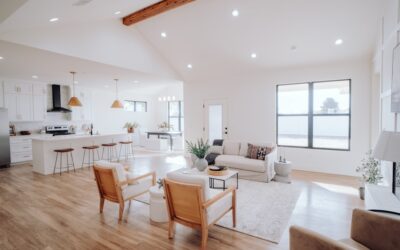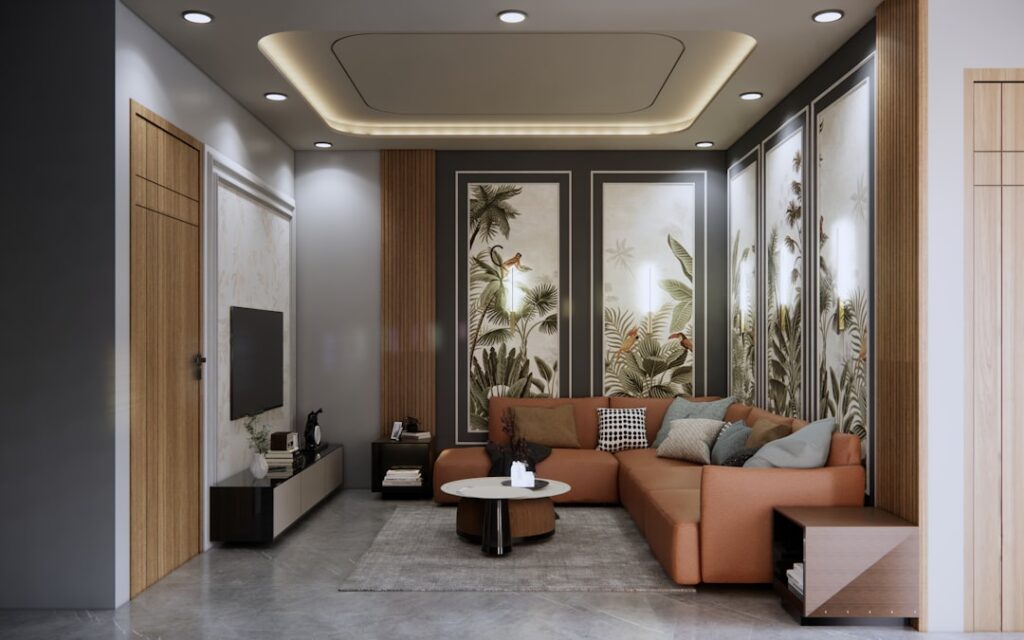
The honest answer to what is the best flooring for a house is not one product. It is a strategy built around moisture, traffic, sunlight, and how long you plan to stay. After installing flooring in roughly 1,100 homes across 17 years, I have stopped recommending single-material whole-house solutions because the failure rate is too high. The smartest spec pairs different materials to different rooms, which gives you 30-plus years of performance instead of 7 to 10.
- Why One Floor Type Rarely Works Everywhere
- Best Flooring by Room Type
- The Top 5 Whole-House Contenders
- Porcelain Tile and Laminate Picks
- Climate and Sun Exposure Considerations
- Pros and Cons of a Mixed-Material Approach
- Cost Snapshot for a Typical 2,200 sq ft Home
- How Long Each Flooring Type Actually Lasts
- Final Buying Advice
Why One Floor Type Rarely Works Everywhere
Bathrooms see standing water. Kitchens see grease, dropped pans, and dishwasher leaks. Bedrooms need quiet, soft underfoot. Mudrooms get road salt and gravel. Living rooms need durability paired with comfort. No single product handles all of these conditions while looking right in every space.
The whole-house trend toward LVP in builder-grade homes is a budget choice, not a performance one. It works fine in 80 percent of rooms but feels wrong in formal dining areas and dampens resale value in homes over $750,000. The smart move is matching material to room demand.
Best Flooring by Room Type
Here is how I spec a typical 2,200 sq ft single-family home in 2026:
- Main living, dining, hallways: Engineered hardwood, 7-inch European oak, $8 to $13 per sq ft installed
- Kitchen: Same engineered hardwood for continuity, or porcelain wood-look tile if water exposure is a concern, $9 to $16 per sq ft
- Bathrooms: Porcelain or ceramic tile, $9 to $18 per sq ft installed, with electric radiant underlayment for $3 to $5 extra
- Bedrooms: Solution-dyed nylon or wool carpet, $5 to $11 per sq ft, for warmth and sound dampening
- Mudroom and laundry: Porcelain tile or rigid core LVP, $5 to $14 per sq ft, for durability against grit and water
- Basement: Rigid core LVP over dimpled membrane, $5 to $9 per sq ft, or polished concrete for $4 to $9
The Top 5 Whole-House Contenders
If you must pick one product for most of the home, these are the five worth considering. Each shines in a specific scenario and falls short outside of it.
Engineered hardwood is my top pick for living areas in homes over $500,000. It looks like solid wood, can be refinished once or twice over 30 years, and handles seasonal humidity better than solid 3/4-inch planks. Budget $7 to $14 per sq ft installed.
Rigid core LVP is the budget winner for active families. Waterproof, scratch-resistant, and installable over most existing subfloors. Budget $4 to $8 per sq ft installed for mid-grade products like Coretec Pro Plus or Shaw Floorte Pro.
Porcelain Tile and Laminate Picks
Porcelain tile is the only product I install in coastal homes within a mile of saltwater and in homes with members who have severe allergies. It does not off-gas, holds up to standing water indefinitely, and works over radiant heat at peak efficiency. Budget $9 to $18 per sq ft installed.
Laminate has improved dramatically since 2020. Modern AC5-rated products like Pergo Defense Plus and Mohawk RevWood Plus are nearly indistinguishable from engineered hardwood at half the price. Budget $3 to $6 per sq ft installed. Skip laminate in bathrooms unless the product specifically lists waterproof certification.
Climate and Sun Exposure Considerations
Where you live changes the right answer. Coastal homes need engineered or vinyl rather than solid hardwood because of humidity. Mountain and desert homes need products rated for low humidity tolerance, often listed as 20 to 65 percent range. Homes with large south-facing windows need UV-resistant finishes or window films to prevent uneven fading on hardwood and laminate.
I spec different products for the same client depending on their actual zip code. A New England farmhouse gets red oak engineered. A Phoenix ranch gets porcelain throughout. A Pacific Northwest craftsman gets wider-plank Douglas fir engineered. Climate matters more than aesthetics on a 25-year horizon.
Pros and Cons of a Mixed-Material Approach
Pros: each room gets the right product, total lifespan extends 30 to 50 percent versus a single-material install, resale value increases because buyers see thoughtful specifications. The home feels more custom and less builder-grade.
Cons: more transitions to manage, slightly higher install labor because crews need to schedule multiple trades, and design coordination takes more effort to keep the home from feeling chopped up. A good designer or contractor solves the cohesion issue with consistent color palettes and well-planned transition strips.
Cost Snapshot for a Typical 2,200 sq ft Home
A balanced mixed-material spec for a typical 2,200 sq ft home in 2026 runs $22,000 to $32,000 in total materials and labor. That breaks down to roughly 1,400 sq ft of engineered hardwood at $9 per sq ft, 350 sq ft of porcelain at $13 per sq ft, 400 sq ft of nylon carpet at $7 per sq ft, and 50 sq ft of transition trim work.
Compare that to whole-house LVP at $11,000 to $15,000 or whole-house engineered hardwood at $24,000 to $32,000. The mixed approach delivers the best balance of cost, durability, and resale value. Get three bids from licensed installers, ask for product certifications, and verify the moisture testing was actually performed before signing any contract.
How Long Each Flooring Type Actually Lasts
Practical lifespan in a typical family home with two kids and a dog runs roughly as follows: engineered hardwood lasts 25 to 35 years with one refinish in the middle; rigid core LVP lasts 12 to 20 years before wear layer thinning shows in traffic lanes; porcelain tile lasts 30-plus years with periodic grout sealing; solution-dyed nylon carpet lasts 10 to 15 years before matting and stain accumulation justify replacement; and laminate lasts 10 to 18 years depending on AC rating and moisture exposure.
The lifespan math drives the value calculation. A $9 per sq ft engineered hardwood floor that lasts 30 years costs $0.30 per sq ft per year. A $4 per sq ft laminate that lasts 12 years costs $0.33 per sq ft per year. Premium engineered hardwood is actually cheaper over the full ownership period despite the higher upfront price, which is why I steer clients away from the cheapest options when they plan to stay in the home long-term.
Final Buying Advice
The best flooring for a house is the combination that matches each room’s actual use, your local climate, and your honest budget over the next 15 to 30 years. Resist the temptation to spec premium materials in low-traffic rooms or cut corners in high-traffic ones. The mixed-material approach takes more coordination but delivers a home that looks intentional and ages gracefully.
Prefer to explore on your own?
See how new flooring looks in your actual room in seconds — free, no signup.
Try the free Floor Studio →