White picket tile has become one of the most popular shapes in kitchens and bathrooms over the last few years, and for good reason. This elongated hexagon, shaped like the point of a classic picket fence, blends the crisp cleanliness of white subway tile with a little geometric personality that keeps a room from feeling flat.
Whether you are planning a backsplash, a shower surround, or an accent wall, understanding how this shape behaves, what it costs, and how to lay it out will save you headaches and money. Here is everything a homeowner should know before choosing white picket tile for a project.
What Exactly Is Picket Tile?
Picket tile is a stretched, six-sided shape often called an elongated hexagon or a “pickett” tile. Instead of the squat honeycomb hexagon you might picture on an old bathroom floor, this version is pulled long and narrow so it resembles a fence picket standing on end. A common size is roughly 2.5 by 9 inches, though brands sell everything from small 1-by-3-inch pickets to larger 4-by-12-inch formats.
The shape reads as modern and clean while still nodding to traditional tile. In white, it becomes a chameleon: it fits farmhouse, transitional, coastal, and contemporary kitchens equally well, which is a big part of why designers keep reaching for it.
Where White Picket Tile Works Best
The most common home for this tile is the kitchen backsplash. Run vertically from countertop to upper cabinets, white picket tile draws the eye up and makes ceilings feel taller. It also shines as a shower wall, a tub surround, a fireplace accent, and a powder-room feature wall.
On floors, tread more carefully. Wall-rated picket tiles are often too thin or too glossy for floor use, so if you want it underfoot, confirm the tile carries a floor rating and adequate slip resistance. For most homeowners, white picket tile earns its keep on vertical surfaces where its shape shows off best.
Material Options
- Ceramic is the budget-friendly choice, easy to cut and plenty durable for backsplashes.
- Porcelain is denser, harder, and better suited to wet or high-use areas like showers.
- Marble and natural stone pickets bring luxury and veining but need sealing and more careful maintenance.
Popular Layout Patterns
The picket shape lets you play with orientation in ways a square tile cannot. Each layout gives the room a distinctly different feel, so it is worth mocking up a section before you commit.
- Vertical stack: pickets stand straight up, emphasizing height. The most common and easiest to keep aligned.
- Horizontal run: pickets lie on their side, widening a narrow wall.
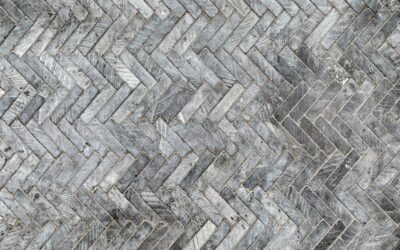
- Herringbone: angled pickets create a dynamic zigzag, but expect more cuts and waste.
- Chevron-style points: aligning the points creates a subtle arrow effect that flows across the wall.
Order 10 to 15 percent extra tile for cuts, breakage, and future repairs. Angled patterns like herringbone can push waste toward 20 percent, so measure carefully and buy from a single dye lot to avoid color mismatches.
Choosing the Right Grout
Grout color changes the entire personality of white picket tile. A matching white or off-white grout produces a soft, seamless, monolithic look that keeps the focus on the tile shape. A contrasting gray, greige, or even black grout makes each picket pop and highlights the geometry.
For backsplashes near a cooktop, I steer homeowners toward a stain-resistant grout, and I strongly recommend an epoxy or high-performance cement grout for showers. White grout in wet areas can discolor over time, so a slightly warm greige is often the smart middle ground. Seal cement grout after it cures to guard against grease and mildew.
Cost and Budgeting
White picket tile runs a wide price range depending on material and brand. Ceramic pickets typically cost $4 to $9 per square foot, porcelain lands around $7 to $15, and marble or premium designer lines can climb to $20 to $40 per square foot or more.
Professional installation usually adds $8 to $15 per square foot, and specialty patterns like herringbone can push labor higher because of the extra cuts and layout time. For a standard 30-square-foot kitchen backsplash, a homeowner might spend $150 to $450 on materials plus $250 to $500 on installation. Doing it yourself trims the labor entirely if you are comfortable with a tile saw.
Installation Tips
The interlocking picket edges make alignment forgiving, but a few habits keep results crisp. Snap a level reference line and dry-lay a row first so you know where cuts land, ideally in less visible corners. Use 1/16-inch spacers for a tight modern look or slightly wider for a traditional feel.
You will need a wet saw with a diamond blade for clean angled cuts; nippers rarely give you a straight edge on these points. Back-butter larger stone pickets to guarantee full coverage, and check every few rows with a level so the pattern does not drift. Let thinset cure 24 hours before grouting.
- Keep the room between 50°F and 90°F during install and cure.
- Wipe haze off the tile face before it hardens, then buff with a dry cloth.
- Wait 48 to 72 hours before exposing a shower installation to water.
Design Ideas and Pairings
White picket tile plays well with almost any style, but a few pairings consistently look sharp. In a farmhouse kitchen, combine white pickets with butcher-block counters, matte-black hardware, and warm wood open shelving for a cozy, lived-in feel. For a coastal look, pair the tile with soft blues, brushed nickel fixtures, and plenty of natural light.
In a contemporary space, a horizontal picket run behind a waterfall quartz island reads clean and gallery-like, especially with a tight, color-matched grout. Do not be afraid to run the tile all the way to the ceiling in a range alcove; that vertical sweep turns a simple backsplash into a genuine focal point. If your cabinets are already white, a picket backsplash in the same tone with a slightly contrasting grout keeps the room bright without feeling washed out.
Because the shape carries so much visual interest on its own, resist the urge to add competing patterns nearby. Let the pickets be the star and keep countertops, hardware, and lighting relatively simple so the geometry has room to breathe.
Keeping It Looking New
One of the quiet advantages of white picket tile is how easy it is to maintain. Wipe glazed ceramic or porcelain with a soft cloth and mild cleaner; the glossy surface resists grease and water spots. Avoid abrasive pads that can dull the finish over time.
Grout lines need the most attention. Reseal cement grout once a year in wet areas, address any mildew promptly with a gentle cleaner, and touch up cracked grout before moisture gets behind the tile. Treated well, a white picket tile installation stays bright and current for a decade or more, making it one of the safer style investments you can make in a kitchen or bath.
Prefer to explore on your own?
See how new flooring looks in your actual room in seconds — free, no signup.
Try the free Floor Studio →