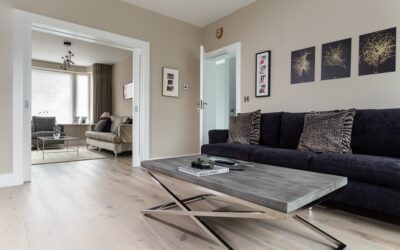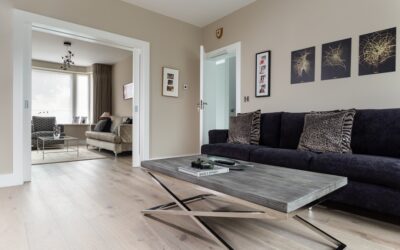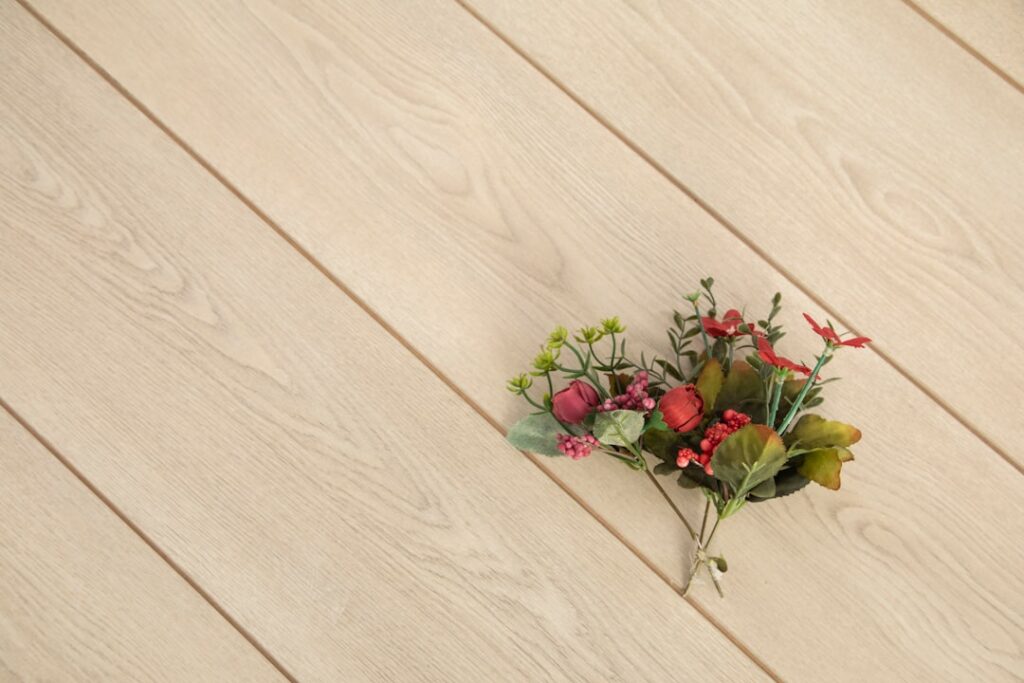
Walk into any coastal-inspired kitchen or Scandinavian-style loft and you will likely find pale, weathered planks underfoot. White washed laminate flooring delivers that airy, sun-bleached look for a fraction of what real limed oak or reclaimed pine costs. The best part is that a convincing whitewashed effect that once required hand-applied lime paste and days of drying now comes printed and embossed straight from the factory. If you want light floors that hide dust, brighten a dim room, and shrug off pet claws, this is one of the smartest budget upgrades available.
- What “White Washed” Actually Means
- Popular Shades and Undertones
- Why Choose Laminate Over the Alternatives
- Reading the Spec Sheet: AC Rating and Thickness
- Realistic Pricing and Budgeting
- Design Tips to Avoid the Cheap Look
- Maintenance and Longevity
- Where White Washed Floors Work Best
- Is It Right for Your Home?
Below you will find how the look is made, what to watch for on the spec sheet, realistic pricing, and the design mistakes that make cheap white floors look cheap.
What “White Washed” Actually Means
True whitewashing is a finishing technique where a thinned white pigment is wiped over wood so the grain still shows through. The color sits in the pores while the raised grain stays lighter, creating that streaky, weathered contrast. Laminate copies this with a high-resolution photographic layer sealed under a clear wear coat, so you get the visual depth without any actual paint.
Because the pattern is printed, manufacturers can dial the effect anywhere from a barely-there frost to a heavy, chalky lime wash. Look closely at samples and you will see the difference between a plank that mimics limed white oak and one that imitates driftwood pulled off a beach. Both read as “white washed,” but the undertones and plank widths change the room completely.
Popular Shades and Undertones
Not all pale floors are created equal, and the undertone is what makes or breaks the space. Here are the four styles you will run into most often:
- Cool gray-white: Reads modern and slightly industrial. Pairs well with matte black hardware and white cabinets. Can feel cold in north-facing rooms with little natural light.
- Warm cream-white: Has a soft beige or honey base under the whitewash. Forgiving, cozy, and the easiest to match with existing furniture.
- Driftwood/coastal: Blends silvery gray and taupe streaks. Ideal for beach houses, sunrooms, and anything with a relaxed vibe.
- Limed oak: The most classic. Strong visible grain with white filling the pores, mimicking a European limed finish.
A tip most showrooms will not tell you: bring a sample home and lay it on the floor in both morning and evening light. Whitewashed tones shift dramatically. What looked crisp under fluorescent store lighting can turn pink or muddy under warm LED bulbs at night.
Why Choose Laminate Over the Alternatives
You could get a similar look from engineered hardwood, luxury vinyl plank, or genuine limed oak. Each has trade-offs. Real hardwood with a factory white finish runs $8 to $14 per square foot installed and scratches show white wood underneath. Luxury vinyl handles moisture better but often has a shallower, less realistic embossing on lighter colors.
Laminate wins on three fronts. First, price: quality white washed laminate flooring costs $1.50 to $4 per square foot for the material. Second, scratch resistance, thanks to the aluminum-oxide wear layer that is harder than most wood finishes. Third, the printing technology has gotten good enough that from standing height, a $3 laminate plank is nearly indistinguishable from a $10 hardwood one. The main compromise is moisture, which we will cover below.
Reading the Spec Sheet: AC Rating and Thickness
Do not buy on looks alone. Two numbers determine whether your floor survives daily life. The AC rating measures abrasion resistance on a scale from AC1 to AC5.
- AC3: Fine for bedrooms and light-traffic residential areas.
- AC4: The sweet spot for busy homes, hallways, and light commercial use.
- AC5: Overkill for most houses but worth it in a rental or a home with big dogs.
Thickness matters too, and light floors benefit from it. Planks range from 7mm to 12mm. Thicker boards (10mm to 12mm) feel more solid underfoot, dampen sound, and bridge minor subfloor imperfections better. Also check for a water-resistant or waterproof core if you are installing anywhere near a kitchen or entry. Whitewashed floors show water rings and swelling more obviously than dark ones, so a sealed, water-resistant HDF core earns its keep.
Realistic Pricing and Budgeting
Here is what a typical project looks like for a 300-square-foot room. Budget laminate at $1.50 per square foot puts materials at $450. A mid-grade AC4 water-resistant product at $3 per square foot lands around $900. Add underlayment at $0.30 to $0.50 per square foot, transition strips, and a moisture barrier for concrete subfloors.
Professional installation adds $2 to $5 per square foot depending on your region and how much subfloor prep is needed. A DIY installation of a click-lock floating floor is very achievable in a weekend for one room, which is where laminate saves you the most. All in, expect $3.50 to $9 per square foot installed, roughly half the cost of a comparable engineered hardwood in the same white finish.
Design Tips to Avoid the Cheap Look
Light floors are unforgiving of bad choices, so a few rules keep the result looking custom rather than contractor-grade. Choose planks with a low-gloss or matte finish; high-gloss white laminate looks plasticky and shows every footprint. Go wider where you can, since 7-inch and 8-inch planks feel far more current than narrow 3-inch strips.
Pay attention to the repeat pattern. Cheaper lines use only three or four unique board images, so identical planks land near each other and the eye catches the repetition. Premium ranges use 12 or more variations for a natural spread. Finally, mind your grout-line contrast on the walls and cabinets. Bright white floors against stark white walls can feel clinical, so warm the palette with wood-tone furniture, woven textures, or a soft area rug.
Maintenance and Longevity
One reason people gravitate to whitewashed tones is that they hide dust, pet hair, and light scratches far better than dark espresso floors. That does not mean maintenance-free. Sweep or dry-mop a few times a week and clean spills promptly. Use a damp microfiber mop with a laminate-safe cleaner, never a soaking wet mop or a steam mop, which forces moisture into the seams.
Avoid oil soaps and wax; they leave a hazy film that dulls the matte finish. Put felt pads under furniture legs and a walk-off mat at every exterior door to trap grit, the number one enemy of any wear layer. Treated this way, a quality AC4 white washed laminate floor will look good for 15 to 25 years, and the manufacturer warranty often reflects that range.
Where White Washed Floors Work Best
Room by room, some spaces flatter this finish more than others. Open-concept living and dining areas benefit the most, because the pale tone bounces light across a wide floor plan and makes the whole footprint feel larger. Small bedrooms and home offices also gain a sense of calm and space that dark floors simply cannot deliver.
North-facing rooms deserve a warm cream-white rather than a cool gray, since the limited natural light in those spaces can push a gray floor toward a flat, dreary look. South-facing rooms flooded with sun can handle the cooler tones without feeling cold. Basements are a special case: they see the least daylight and the most moisture, so if you want a light floor down there, choose a waterproof-core product and pair it with plenty of artificial lighting. In nurseries and playrooms, the dirt-hiding quality of a whitewashed floor is a genuine day-to-day advantage that parents notice within a week.
Is It Right for Your Home?
White washed laminate flooring makes the most sense if you want a bright, on-trend look without a premium hardwood budget, and if your rooms stay reasonably dry. It shines in bedrooms, living rooms, home offices, and coastal or farmhouse designs. For full bathrooms and mudrooms, step up to a waterproof-core product or consider luxury vinyl instead. Match the AC rating to your traffic, choose a matte finish in a wide plank, and you will get a floor that looks twice its price for two decades.
Prefer to explore on your own?
See how new flooring looks in your actual room in seconds — free, no signup.
Try the free Floor Studio →