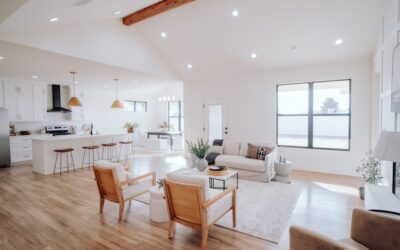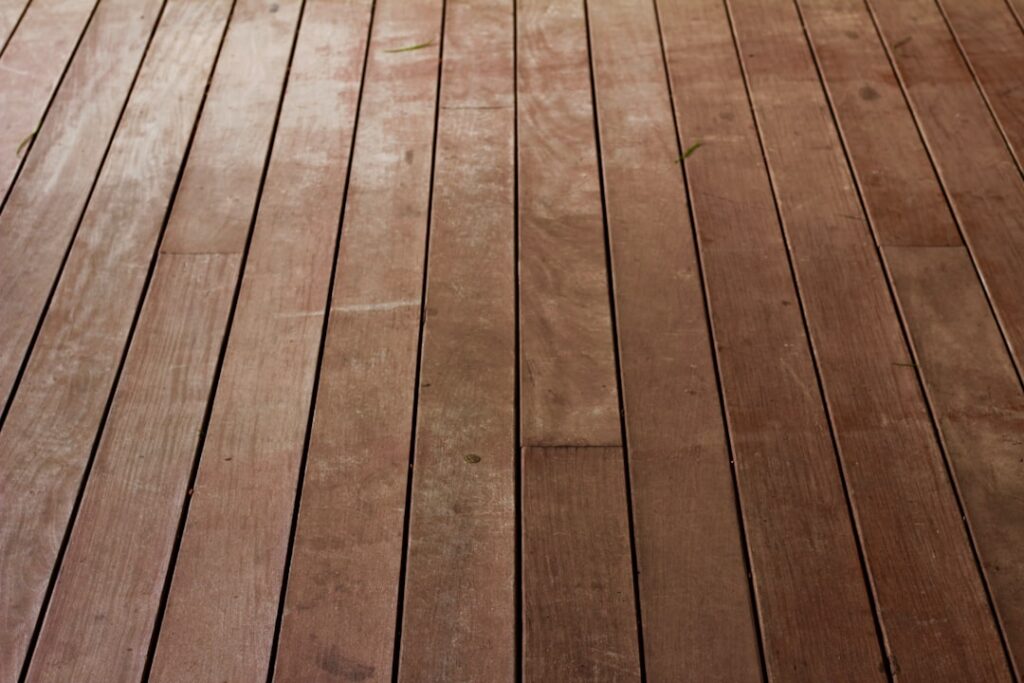
Wide wooden flooring, commonly called wide-plank flooring, has surged in popularity for its ability to make rooms feel larger and more luxurious. While standard strip flooring measures just 2 1/4 to 3 1/4 inches wide, wide planks run 5 inches and up, with some reaching 10 or even 12 inches. Those broad boards showcase more of the wood’s natural grain, knots, and character, giving a space the warm, established look of a centuries-old farmhouse or a sleek modern loft.
Before you fall for the look, it helps to understand how wide planks behave differently from narrow strips, what they cost, and how to install them so they stay flat for decades.
What Counts as Wide-Plank Flooring
There is no single industry definition, but most manufacturers and installers consider anything 5 inches or wider to be wide-plank. The most requested widths fall between 5 and 7 inches, balancing dramatic appearance with manageable installation. Extra-wide boards above 8 inches make a bold statement but demand more careful handling because wood expands and contracts more across a wider face.
You can find wide planks in both solid and engineered construction. Engineered wide-plank flooring is often the smarter choice because its layered core resists the cupping and gapping that wide solid boards are prone to.
Pros and Cons of Wide Wooden Flooring
Wide planks deliver undeniable visual impact, but the format brings practical trade-offs worth understanding.
Pros
- Fewer seams create a cleaner, more expansive look
- Showcases natural grain, knots, and character
- Faster to install per square foot than narrow strips
- Adds a premium, high-end feel that can boost resale appeal
Cons
- More prone to seasonal gapping and cupping, especially in solid form
- Higher material cost than standard strip flooring
- Requires careful acclimation and tight humidity control
- Mistakes are more visible across a large board face
How Much Wide-Plank Flooring Costs
Wide planks command a premium because they use larger, clearer sections of lumber. These ranges are general estimates for material and installation combined.
- Engineered wide-plank, installed: roughly $8 to $18 per square foot
- Solid wide-plank hardwood, installed: roughly $10 to $22 per square foot
- Premium and reclaimed wide planks: $20 per square foot and up
Species matters too. White oak and hickory cost more than red oak or maple, and exotic or reclaimed wood sits at the top of the range. Wider boards above 8 inches typically add a further premium.
Managing Movement and Moisture
The single biggest challenge with wide wooden flooring is wood movement. Because each board spans more width, the same percentage of expansion or contraction translates into larger visible gaps or ridges. Keeping indoor relative humidity between 35 and 55 percent year-round is the key to a stable floor.
Acclimation is non-negotiable. Let the planks sit in the installed environment for one to two weeks, or longer for solid wood, so they reach equilibrium with the room before installation. Skipping this step is the leading cause of gaps that open in winter when the heat runs.
Installation Tips for Wide Planks
Wide boards reward a careful installer. The fastening method and subfloor prep both matter more than they do with narrow strips.
- Use glue plus nails or screws. Many installers glue wide planks to the subfloor in addition to nailing for extra hold against movement.
- Flatten the subfloor to within 3/16 inch over 10 feet; high spots telegraph through wide boards.
- Leave proper expansion gaps at walls and transitions, sized to the species and width.
- Rack the boards ahead of time to stagger seams and mix grain variation for a natural look.
Choosing the Right Wood and Finish
For wide-plank floors, durability and stability rise to the top of the priority list. White oak is a favorite for its hardness and tight grain, while hickory offers exceptional dent resistance. A matte or wire-brushed finish hides minor scuffs and adds texture that complements the rustic appeal of wide boards.
If you love the wide look but worry about a humid or fluctuating climate, lean toward engineered construction. You will get the same broad, characterful appearance with far less risk of seasonal movement, making it the safer long-term investment for most homes.
Solid Versus Engineered Wide Planks
The construction you choose has a bigger impact on long-term performance than almost any other decision. Solid wide planks are milled from a single piece of hardwood, which means they can be sanded and refinished many times but also move the most with humidity. Engineered wide planks layer a real-wood veneer over a cross-laminated plywood or HDF core, which dramatically reduces seasonal expansion and contraction across the wide face.
For wide widths, especially anything above 7 inches, engineered construction is usually the wiser pick. It delivers the same authentic surface while resisting the gapping and cupping that plague wide solid boards. Reserve solid wide planks for stable, well-conditioned homes where you value the ability to refinish repeatedly over the decades.
Caring for Wide-Plank Floors
Wide wooden flooring rewards consistent care. Because each board covers more area, scratches and dents are more noticeable, so a little prevention goes a long way.
- Use felt pads under furniture legs and lift rather than drag heavy pieces
- Place mats at entries to catch grit that can scratch the finish
- Maintain indoor humidity between 35 and 55 percent year-round to limit movement
- Sweep or vacuum regularly and clean with a product made for wood floors
- Wipe spills promptly, since standing water is wood’s worst enemy
The Bottom Line
Wide wooden flooring delivers a striking, upscale look that narrow strips simply cannot match. Just respect the format’s appetite for stable humidity and proper acclimation. Choose engineered wide planks for tricky climates, budget for the premium, and hire an installer experienced with wide boards, and you will enjoy a floor that turns heads for decades.
If you are still deciding, consider ordering samples of two or three widths and species to see how they look in your actual space. A 5-inch white oak plank reads very differently from a 9-inch hickory board, and lighting in your home will shift the color from what you see in a showroom. Viewing samples on your own floor, in both daylight and evening light, removes the guesswork and helps you commit with confidence. With the right product and a skilled installer, wide-plank flooring becomes a lasting investment that elevates the entire feel of your home.
Prefer to explore on your own?
See how new flooring looks in your actual room in seconds — free, no signup.
Try the free Floor Studio →