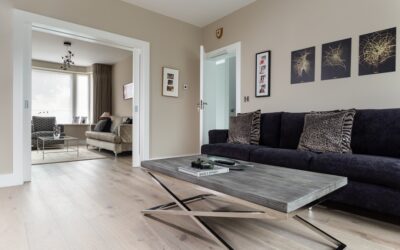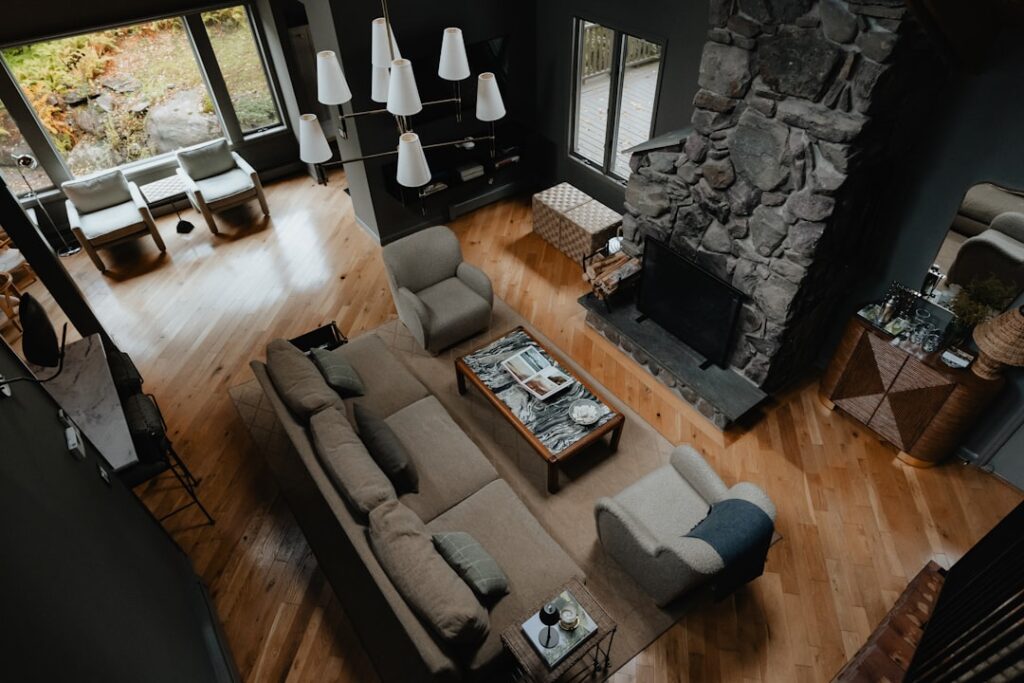
Wood laminate flooring gives you the warmth of hardwood aesthetics paired with everyday practicality. It sits in a sweet spot between the affordability of basic vinyl and the prestige of real wood, offering scratch-resistant surfaces, simple installation, and an ever-growing selection of realistic designs. This guide covers everything you need to evaluate wood laminate for your home.
- What Is Wood Laminate Flooring?
- Wood Laminate Construction: Layer by Layer
- Popular Wood Laminate Styles
- Classic Oak
- Wide Plank
- Hickory and Walnut
- Reclaimed and Distressed
- Gray and Whitewashed
- Herringbone and Chevron
- Wood Laminate Costs
- AC Ratings Explained
- Pros of Wood Laminate
- Cons of Wood Laminate
- Where to Install Wood Laminate
- Installation Tips for Wood Laminate
- Maintaining Wood Laminate
- Should You Choose Wood Laminate?
What Is Wood Laminate Flooring?
Wood laminate is a synthetic flooring product that replicates the look of real wood through a layered construction. It uses a high-resolution photograph of wood grain printed on decor paper, which is then sealed under a clear, protective melamine coating. This assembly sits on top of a dense fiberboard core and a stabilizing backing layer.
The result is a plank-shaped product that looks like hardwood flooring from across the room but is significantly cheaper, harder on the surface, and easier to install. Laminate flooring has been available since the late 1970s, but the quality leap over the past decade has been dramatic, with embossed textures and wider planks that close the gap between laminate and genuine wood.
Wood Laminate Construction: Layer by Layer
Wear Layer (Overlay)
The topmost layer is a clear melamine resin enhanced with aluminum oxide particles. This coating is remarkably hard and provides the floor’s resistance to scratches, impacts, stains, and UV fading. The strength of this layer is measured using the AC rating system, ranging from AC1 for light residential use to AC5 for heavy commercial environments.
Design Layer
A specially treated paper printed with a photographic image of wood. Premium products use multiple patterns across the collection to avoid visible repeat patterns. Embossed-in-register (EIR) technology aligns physical texture with the printed grain so you can feel the wood grain ridges exactly where you see them.
Core Layer
The structural backbone is typically high-density fiberboard (HDF) pressed from wood fibers and resin at high temperatures. Thicker cores (10mm to 12mm) feel more solid underfoot and resist impacts better than thin cores (7mm to 8mm). Some products use moisture-resistant HDF with added wax or polymer treatments to improve water tolerance.
Backing Layer
A thin layer of melamine or kraft paper that balances the plank and helps prevent moisture from penetrating the core from underneath. Some products include an integrated underlayment pad on the backing for added convenience and sound absorption.
Popular Wood Laminate Styles
Wood laminate is no longer limited to generic oak patterns. The range of available styles in 2026 is impressive.
Classic Oak
Traditional red oak and white oak patterns remain the most popular choices. These timeless designs work in virtually any room and complement both traditional and modern decor. Available in natural, honey, golden, and gray tones.
Wide Plank
Planks 7 inches and wider create a more contemporary, open look. Wide-plank wood laminate reduces the number of visible seams and makes smaller rooms feel larger. This style has become increasingly popular as the market moves away from narrow strip patterns.
Hickory and Walnut
Hickory patterns feature bold grain variation and rustic character, while walnut offers rich, dark chocolate tones. Both species add visual drama and work well as statement flooring in dining rooms and living areas.
Reclaimed and Distressed
Distressed wood laminate replicates the weathered, character-rich appearance of reclaimed barn wood. These products feature deliberately varied tones, knot holes, and saw marks printed into the design. The worn-in look hides minor scratches and dents that would be conspicuous on smooth, clean patterns.
Gray and Whitewashed
Cool-toned gray and whitewashed wood laminate has surged in popularity for modern, coastal, and Scandinavian-inspired interiors. These lighter tones open up spaces visually and pair well with white and neutral walls.
Herringbone and Chevron
Some manufacturers now offer wood laminate in herringbone and chevron patterns. These decorative layouts add a designer touch but require more careful installation and generate more waste during cutting.
Wood Laminate Costs
Cost remains one of wood laminate’s biggest selling points.
By Quality Tier
- Entry level (AC3, 7mm-8mm): $0.70 to $1.50 per square foot
- Mid-range (AC4, 10mm-12mm): $1.50 to $3.50 per square foot
- Premium (AC5, 12mm+, water-resistant): $3.50 to $5.50 per square foot
Installation Costs
- DIY: $0 labor plus $0.30 to $0.75 per square foot for underlayment and supplies
- Professional: $1.50 to $3.50 per square foot including underlayment and transitions
Cost Comparison with Other Flooring
Wood laminate typically costs 50% to 75% less than engineered hardwood and 70% to 85% less than solid hardwood. It is comparable in price to mid-range vinyl flooring, though budget vinyl products can be even cheaper.
AC Ratings Explained
The AC (Abrasion Class) rating is the most important specification when comparing wood laminate products. It measures durability across multiple tests including abrasion resistance, impact resistance, stain resistance, and edge swelling.
- AC1: Light residential. Bedrooms and closets. Not recommended for active households.
- AC2: General residential. Living rooms and dining rooms with moderate traffic.
- AC3: Heavy residential and light commercial. The minimum recommended for most homes. Handles family rooms, hallways, and kitchens.
- AC4: General commercial. Offices, boutiques, and cafes. Excellent for high-traffic residential areas and homes with large pets.
- AC5: Heavy commercial. Retail stores, public buildings, and department stores. The most durable option available.
For residential use, AC3 is the minimum you should consider. AC4 is the sweet spot for households with children, pets, and active lifestyles.
Pros of Wood Laminate
- Budget-friendly: Achieve a hardwood look without the hardwood price tag.
- Superior scratch resistance: The melamine surface is harder than real wood and most vinyl products.
- Fade resistant: UV-protected surfaces maintain their color even in sun-drenched rooms.
- Easy installation: Click-lock systems require no special tools or adhesives.
- Hypoallergenic: Smooth surface does not trap dust, pet dander, or allergens like carpet.
- Huge style selection: Hundreds of patterns, widths, and textures available across every price point.
Cons of Wood Laminate
- Water damage risk: HDF core swells irreversibly when saturated with water.
- Cannot be refinished: Damaged planks must be replaced entirely.
- Hollow sound: Can sound artificial and clicky, especially on concrete subfloors.
- Lower resale value: Does not carry the same market appeal as genuine hardwood.
- Slippery when wet: Some laminate surfaces become slick when damp, which is a concern in kitchens.
- Limited repair options: Deep scratches or chips cannot be sanded out or filled as effectively as on real wood.
Where to Install Wood Laminate
Ideal Rooms
Living rooms, bedrooms, hallways, home offices, and dining rooms are all excellent candidates for wood laminate. These spaces are typically dry and benefit from the floor’s scratch resistance and easy maintenance.
Proceed with Caution
Kitchens can work with water-resistant wood laminate if you commit to cleaning spills immediately. Entryways with tracked-in rain or snow need quality mats and prompt moisture removal.
Avoid
Bathrooms, laundry rooms, and basements prone to moisture should use waterproof flooring like vinyl or tile. Even water-resistant laminate is not designed for sustained moisture exposure.
Installation Tips for Wood Laminate
- Acclimate planks in the installation room for 48 hours before starting.
- Test moisture levels in concrete subfloors. Readings above 3 lbs per 1,000 sq ft (calcium chloride test) require a moisture barrier.
- Lay underlayment with seams taped (unless the product has attached underlayment).
- Start from the longest, straightest wall and work toward the room’s entrance.
- Stagger joints by at least 12 inches between adjacent rows for stability and aesthetics.
- Use spacers to maintain a 1/4-inch expansion gap along all walls and fixed objects.
- Undercut door frames rather than notching planks around them for a cleaner look.
- Tap planks gently using a tapping block to avoid damaging click-lock profiles.
Maintaining Wood Laminate
Wood laminate requires minimal maintenance compared to real wood floors.
- Sweep or vacuum daily in high-traffic areas to prevent grit from scratching the surface.
- Damp mop with a laminate-approved cleaner weekly. Wring the mop thoroughly to avoid excess moisture.
- Place felt pads under all furniture legs.
- Use doormats at all exterior entrances.
- Clean spills immediately, especially near seams where water can penetrate.
- Avoid wax, polish, steam mops, and abrasive cleaners that can damage the wear layer.
Should You Choose Wood Laminate?
Wood laminate flooring is the right choice when you want hardwood aesthetics on a moderate budget and your installation areas stay reasonably dry. It excels in family homes where scratch resistance matters, in rental properties where cost efficiency is key, and in any space where easy DIY installation is a priority.
If moisture is part of the equation, steer toward vinyl. If long-term value and the ability to refinish matter most, invest in real wood. But for the millions of homeowners who want a beautiful, durable floor without breaking the bank, wood laminate continues to deliver exactly that.
Prefer to explore on your own?
See how new flooring looks in your actual room in seconds — free, no signup.
Try the free Floor Studio →