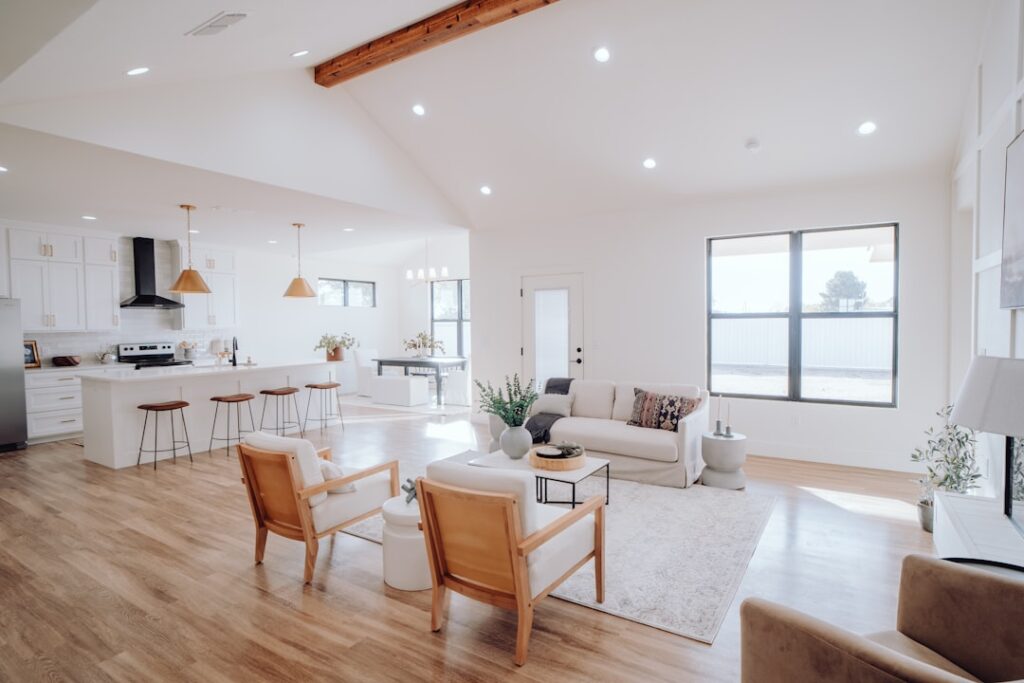
After a decade of all-white kitchens, warmth is back, and nothing delivers it like natural grain. Wood tone cabinets are leading the shift, bringing texture, depth, and a grounded, organic feel that painted boxes can’t match. From pale white oak to rich walnut, the right wood tone can make a kitchen feel timeless rather than trend-locked. But choosing among species, stains, and finishes, then pairing them with the right counters and walls, takes a little know-how. This guide breaks down how to pick a wood tone you’ll still love a decade from now and how to style it like a designer.
Why Wood Tones Are Trending Again
The pendulum has swung away from stark, cool kitchens toward spaces that feel collected and warm. Wood-tone cabinetry photographs beautifully, ages gracefully, and hides everyday wear far better than glossy white paint, which shows every fingerprint and scuff at a base cabinet’s kick zone. Natural grain also connects a kitchen to the organic-modern, Scandinavian, and Japandi looks that dominate current design.
There’s a practical upside, too. Stained wood and wood-look finishes don’t chip the way painted edges do, and minor dings often blend into the grain rather than standing out. For high-traffic kitchens, that durability is a real advantage.
Popular Wood Tones, From Light to Dark
Wood tone runs a wide spectrum, and each end sends a different design message. Here’s how the most popular ranges read in a kitchen:
- Light and natural — white oak, maple, and ash give an airy, Scandinavian feel and keep small kitchens bright. White oak in particular is the current darling.
- Warm mid-tones — cherry, hickory, and honey-stained oak bring traditional coziness and a golden glow.
- Rich and deep — walnut and dark-stained oak read as luxurious and dramatic, grounding open-concept spaces.
- Reddish tones — older cherry and some mahogany stains lean red, a classic look that’s less common in new builds.
For a kitchen that won’t feel dated, light-to-medium natural tones with visible grain are the safest bet right now. Heavy orange and red stains from the early 2000s are the look most homeowners are actively moving away from.
Choosing the Right Wood Species
Species affects grain, hardness, and cost. White oak shows a tight, linear grain and takes stain evenly, which is why it’s so popular for modern kitchens. Maple is smooth and nearly grainless, ideal if you want a clean, contemporary face. Hickory delivers bold contrast and serious durability for busy households. Walnut offers naturally dark, chocolate tones without heavy staining, but it carries a premium price.
If budget is tight, wood-look options have come a long way. Thermofoil, laminate, and printed-veneer cabinet doors now mimic grain convincingly at a fraction of solid-wood cost. They won’t match real wood’s depth up close, but they resist moisture and are easy to wipe clean, which suits rentals and high-use family kitchens.
Pairing Countertops and Backsplashes
Wood cabinets play well with a huge range of surfaces, but a few pairings consistently look sharp. With light oak, white or soft-veined quartz keeps things bright and modern, while a creamy quartzite adds subtle movement. Walnut and other dark woods look stunning against pale counters that provide contrast, or against a dramatic dark stone for a moody, all-in look.
For backsplashes, simplicity lets the wood shine. A handmade-look zellige tile in white or soft green, a classic subway, or a continuous slab backsplash that matches the counter all let the grain be the star. Avoid busy, multi-color backsplashes that compete with the natural variation already present in the cabinets.
Mixing Wood Tones Without Clashing
One of the biggest worries homeowners have is whether wood cabinets will fight with wood floors. They won’t, if you follow a couple of rules. First, create contrast rather than a near-match; cabinets and floors that are slightly different tones look intentional, while ones that are almost but not quite the same look like a mistake. Pair light floors with darker cabinets, or vice versa.
Second, find a common undertone. Keep both the floor and cabinets in the warm family or both in the cool family so they read as coordinated. A grounding element like a black island, brass hardware, or a stone counter can also tie multiple wood tones together. When in doubt, limit a kitchen to two wood tones plus one neutral.
Two-Tone and Mixed-Material Kitchens
You don’t have to commit a whole kitchen to wood. Two-tone designs are hugely popular: wood-tone perimeter cabinets paired with a painted island, or wood uppers over painted lowers (or vice versa). A common, foolproof combination is white or sage painted base cabinets topped with warm wood floating shelves or wood upper cabinets, which keeps the room bright while introducing organic warmth at eye level.
The island is a favorite spot to play with wood. A walnut or white-oak island anchored in a kitchen of painted cabinetry becomes a natural focal point and a gathering hub. When mixing, keep the wood tone consistent across whichever surfaces use it, and let one material dominate so the result reads as designed rather than scattered. Two well-chosen tones almost always beat three or more.
Caring for Wood Cabinets
Wood cabinets reward a little routine care with years of good looks. Wipe spills promptly, since standing water and grease are wood’s enemies, and clean with a soft cloth and a mild, wood-safe cleaner rather than harsh abrasives that can dull the finish. Avoid all-purpose sprays with high ammonia or bleach content. Every so often, a wood-conditioning product or a thin coat of furniture wax can refresh a satin finish and protect against drying out.
Watch the cabinets nearest heat and moisture, those flanking the range and sink, since they take the most abuse. Use a vent hood while cooking to limit grease buildup, and consider a small mat or tray under the sink to catch drips. With sensible upkeep, quality wood-tone cabinets resist wear better than painted boxes and develop a warm, lived-in character over time rather than looking tired.
Hardware and Finishing Touches
Hardware is the jewelry that finishes the look. Matte black pulls give wood cabinets a crisp, modern edge, while brushed brass adds warmth that flatters honey and walnut tones. Unlacquered brass develops a living patina over time for those who like an aged feel. Keep the metal consistent with your faucet and lighting for a pulled-together result.
The finish on the wood itself matters as much as the stain. A matte or satin clear coat reads as natural and current, whereas high-gloss can look dated. A quality polyurethane or hardwax-oil finish protects against kitchen moisture and grease while preserving the grain you paid for. Done right, wood tone cabinets give you a kitchen that feels warm, durable, and far more enduring than the next coat of trendy paint.