For centuries, wool has been the gold standard in flooring, and a well-chosen woolen carpet still represents the pinnacle of natural luxury, comfort, and durability. Soft underfoot, naturally resilient, and beautifully insulating, wool delivers a warmth and quality that synthetic fibers work hard to imitate. While it commands a premium price, its longevity and timeless appeal make it a genuine investment. In this complete guide we will explore the benefits and drawbacks of wool, its real costs, the styles available, and how to care for it so it lasts for decades.
- What Makes Woolen Carpet Special
- Key Benefits of Wool
- Potential Drawbacks to Consider
- How Much Does Woolen Carpet Cost
- Styles and Constructions
- Caring for Woolen Carpet
- Pure Wool vs Wool Blends
- Is Woolen Carpet Worth the Investment
- Wool's Environmental Credentials
- Where to Use and Avoid Wool
- Final Thoughts
What Makes Woolen Carpet Special
Woolen carpet is made from natural sheep’s wool, a fiber that has evolved over millennia to be resilient, insulating, and self-cleaning to a degree. Each wool fiber has a natural crimp that helps it spring back after being crushed, so the carpet resists matting and holds its appearance far longer than many synthetics. Wool also has a natural, subtle luster and a soft, dense feel underfoot that is instantly recognizable as high quality. It is a renewable, biodegradable material, which appeals to homeowners seeking a more natural, sustainable flooring choice.
Key Benefits of Wool
Wool offers a distinctive combination of advantages:
- Durability and resilience: The natural crimp helps wool bounce back and resist crushing, so it wears beautifully for decades.
- Natural stain resistance: Wool’s outer layer naturally repels liquids, giving you time to blot spills before they soak in.
- Insulation: Wool traps air, providing excellent thermal and sound insulation that warms a room and quiets footsteps.
- Flame resistance: Wool is naturally flame-retardant and self-extinguishing.
- Air quality: Wool can absorb and release moisture and may help buffer indoor humidity.
- Timeless luxury: The soft feel and natural luster signal quality that synthetics struggle to match.
Potential Drawbacks to Consider
Wool is not without trade-offs, and it is worth knowing them before you buy:
- Higher cost: Wool is significantly more expensive than most synthetic fibers.
- Susceptibility to certain stains: While it resists water-based spills, wool can be harder to clean of some stains and should be kept away from harsh chemicals and bleach.
- Fading: Prolonged direct sunlight can fade natural dyes over time.
- Moisture sensitivity: Wool holds moisture, so it is not ideal for damp basements or bathrooms where mildew could develop.
- Shedding: New wool carpet may shed loose fibers for a period before settling.
For most living areas, bedrooms, and stairs, these drawbacks are manageable, but wool is best kept out of consistently wet or humid spaces.
How Much Does Woolen Carpet Cost
Wool sits at the premium end of the carpet market:
- Wool-blend carpet (often 80 percent wool, 20 percent nylon): $5 to $10 per square foot.
- Pure 100 percent wool carpet: $8 to $20 or more per square foot.
- Installation and padding: an additional $1 to $3 per square foot.
Carpeting a 12-by-15 room, about 180 square feet, might total $1,200 to $4,000 or more depending on quality. While the upfront cost is high, wool’s exceptional longevity means the cost per year of use can be competitive with cheaper carpets that need replacing far sooner. Many homeowners find a wool-blend offers most of wool’s benefits at a more accessible price.
Styles and Constructions
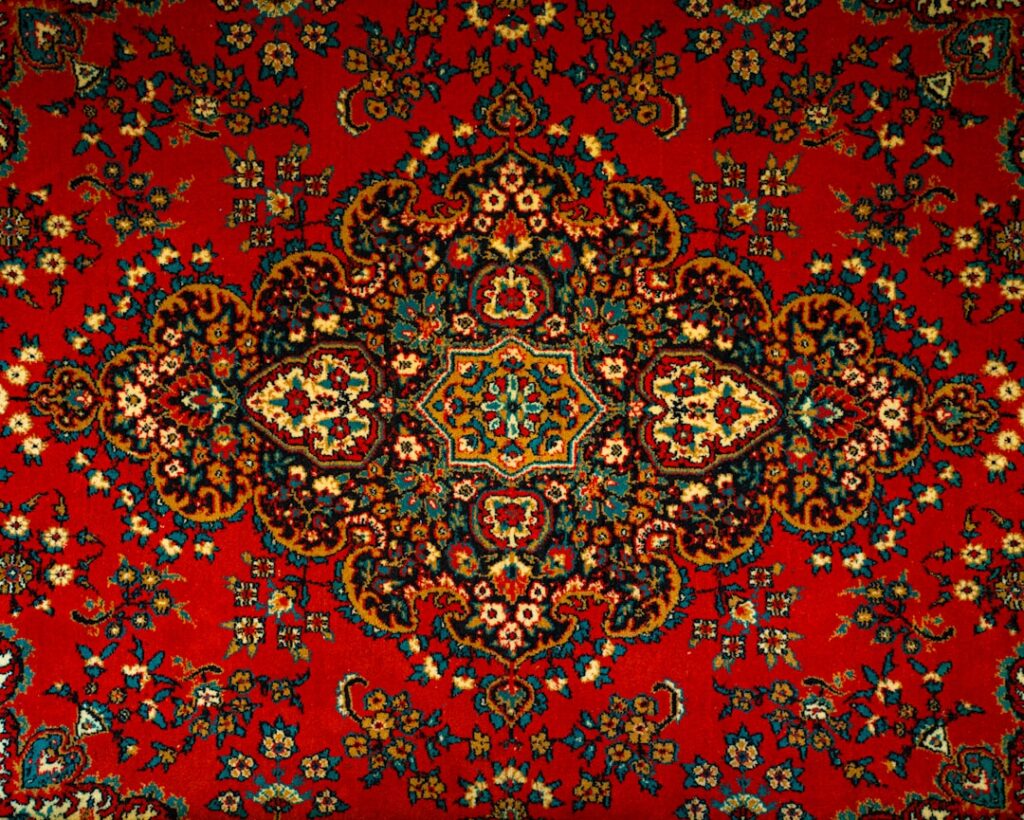
Woolen carpet comes in a range of styles to suit different rooms. Loop-pile constructions, such as Berber, are durable and casual, ideal for busy areas and stairs. Cut-pile styles like plush and Saxony emphasize wool’s softness and luxury for bedrooms and formal living rooms. Wool is also the traditional fiber for beautiful patterned and textured carpets, as well as premium area rugs. When choosing, consider the room’s traffic level: a tighter loop or twist holds up better in busy spaces, while a deeper cut pile maximizes comfort where luxury is the priority.
Caring for Woolen Carpet
Proper care keeps wool looking beautiful for its long lifespan:
- Vacuum regularly with a suction-based or adjustable vacuum, avoiding aggressive beater bars that can fuzz the fibers.
- Blot spills immediately with a clean, dry cloth rather than rubbing, taking advantage of wool’s natural resistance.
- Use only wool-safe, pH-neutral cleaners and never bleach or harsh chemicals, which damage the fiber.
- Address stains promptly and consider professional cleaning by a wool-experienced technician for deep cleans.
- Limit prolonged direct sunlight with window treatments to prevent fading.
- Expect some initial shedding on new carpet, which normal vacuuming resolves over a few weeks.
Pure Wool vs Wool Blends
One of the first decisions is whether to buy pure wool or a wool blend, and the difference is meaningful. One hundred percent wool delivers the fullest expression of the fiber’s luxury, softness, and natural resilience, and it is the traditional choice for premium carpets and rugs. Wool blends, most commonly around 80 percent wool and 20 percent nylon, add synthetic strength to the natural fiber, improving abrasion resistance and stain performance in high-traffic areas while lowering the price. For stairs, hallways, and busy living rooms, a wool-nylon blend often makes the most sense, giving you most of wool’s benefits with extra durability. For a luxurious bedroom, pure wool is a worthy indulgence.
Is Woolen Carpet Worth the Investment
The premium price of wool leads many homeowners to ask whether it is truly worth it, and the answer depends on how you weigh upfront cost against long-term value. A quality wool carpet can last two to three times longer than a budget synthetic, resisting the crushing and matting that make cheaper carpets look worn within a few years. When you divide the cost over its long lifespan, wool often proves competitive, and you enjoy superior comfort, insulation, and appearance the entire time. For homeowners planning to stay in their home and who value natural materials, the investment usually pays off in both satisfaction and longevity.
Wool’s Environmental Credentials
For eco-conscious buyers, wool offers advantages that synthetic carpets cannot. It is a natural, renewable resource, shorn from sheep and regrown each year, and it is biodegradable at the end of its life rather than lingering in a landfill for centuries like petroleum-based fibers. Wool also requires less processing energy than some synthetics and can help regulate indoor humidity and even absorb certain airborne pollutants. While no carpet is entirely without environmental impact, wool’s renewability, longevity, and biodegradability make it one of the more sustainable flooring choices available, appealing to homeowners who want natural materials throughout their homes.
Where to Use and Avoid Wool
Placing wool carpet in the right rooms maximizes its strengths and sidesteps its weaknesses. Wool excels in bedrooms, living rooms, formal spaces, and on stairs, where its softness, resilience, and insulating warmth shine and where a wool-nylon blend can handle heavier traffic. It is also a natural choice for area rugs that anchor a seating area. Where wool struggles is in consistently damp or humid environments, since it holds moisture and can develop mildew, making basements, bathrooms, and laundry rooms poor candidates. Rooms with intense, all-day direct sunlight can also fade natural dyes over time unless protected with window treatments. By matching wool to dry, comfort-focused living spaces and choosing synthetics for wet or extremely high-traffic utility areas, you get the full benefit of wool’s luxury and longevity exactly where it performs best, protecting your investment for the long term.
Final Thoughts
A woolen carpet remains one of the finest flooring choices available, offering natural luxury, outstanding durability, insulation, and a soft, resilient feel that synthetics can only imitate. The higher price is offset by wool’s remarkable longevity and timeless appeal, making it a genuine long-term investment for bedrooms, living rooms, and stairs. Keep it out of damp spaces, care for it with wool-safe cleaners and gentle vacuuming, and protect it from harsh sun, and a quality woolen carpet will reward you with warmth, comfort, and beauty for decades to come.