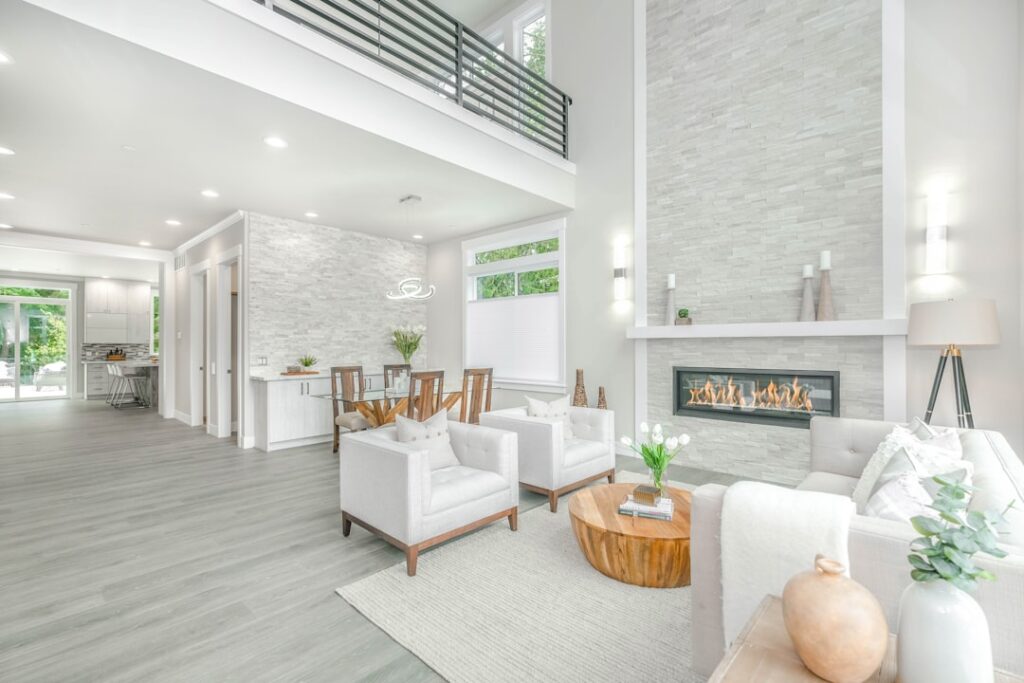
Most people shopping for a big rug default to a 9×12 and end up with a floor covering that looks marooned in the middle of a large room. If you have a genuinely spacious living room or a wide open-concept space, a 10×16 rug is often the size you actually need to make the room feel intentional and grounded. At 160 square feet, this is a serious piece of floor covering, roughly the footprint of a small bedroom, and it changes how a big space reads. I have helped plenty of homeowners size rugs for great rooms, and undersizing is the single most common mistake. Here is how to know if 10×16 is right and how to buy well.
Just How Big Is a 10×16 Rug
A 10×16 rug measures 10 feet wide by 16 feet long, or 120 inches by 192 inches. That is 160 square feet of coverage, placing it firmly in the oversized or palace category. For comparison, a standard 8×10 covers 80 square feet and a large 9×12 covers 108. A 10×16 is nearly double the 8×10, so this is not a rug you buy on a whim for an average living room.
Because it is a special large size, you will find fewer off-the-shelf options and more of these sold as area rugs for great rooms, large primary bedrooms, and open-plan main floors. Always measure your actual space with painter’s tape on the floor before ordering, because 16 feet of length is longer than people picture in their heads.
What Rooms Fit a 10×16 Rug
This size belongs in genuinely large rooms. As a rough guideline, you want at least 12 to 14 inches of bare floor showing on all sides between the rug edge and the walls, so your room should measure roughly 12 to 13 feet wide by 18 to 20 feet long at a minimum.
- Large living rooms and great rooms: The classic home for this size, letting all furniture legs sit fully on the rug.
- Open-concept main floors: Use it to define the living zone within a combined living-dining-kitchen space.
- Primary bedrooms: Fits a king bed and nightstands entirely on the rug with room to walk on soft floor.
- Finished basements and bonus rooms: Anchors a big media or play area without leaving cold floor exposed.
Furniture Placement That Works
The whole point of going this large is the ability to fit all your furniture on the rug, which reads far more polished than furniture floating around a too-small rug. In a living room, aim to get the front legs of every seating piece, and ideally all four legs of the sofa, on the rug. A 10×16 easily anchors a full sectional plus a couple of chairs and a coffee table with room to spare.
In a large bedroom, center a king bed on the rug with 6 to 8 feet of rug extending past the foot of the bed, and the nightstands sitting on top. That gives you soft flooring the moment you step out of bed on either side. Leave that consistent border of exposed floor around the perimeter so the rug frames the space rather than wall-to-wall carpeting it.
Materials and Durability
At 160 square feet, the material you choose is a real commitment, so match it to the room’s traffic and your lifestyle. Wool is the premium all-rounder: naturally stain-resistant, durable for decades, and soft underfoot, though it costs more. Machine-woven polypropylene and polyester rugs are far more affordable, easy to clean, and a smart pick for high-traffic family rooms.
Natural fibers like jute and sisal bring texture and a casual look but are harder to clean if you have kids or pets. For an open floor plan where spills happen, a low-pile synthetic or a performance-fiber rug is the practical choice. Whatever the material, a low to medium pile height wears better in a large high-use space than a deep shag that mats down in traffic paths.
What a 10×16 Rug Costs
Expect to pay more than you would for common sizes simply because there is more material. Budget machine-made synthetic rugs in this size run roughly $300 to $700. Mid-range power-loomed wool blends and quality synthetics land around $700 to $1,800. Hand-knotted wool or higher-end designer rugs at 10×16 can climb from $2,000 well past $6,000.
Because this is a big investment, buy a quality rug pad to go under it. A good pad adds cushion, protects the rug backing and your floor, prevents slipping, and genuinely extends the rug’s life. Expect to spend $80 to $200 on a pad for this size, and consider it non-negotiable, not an upsell.
Caring for a Large Rug
A rug this size is heavy and awkward, so day-to-day care beats deep cleaning. Vacuum regularly, and rotate the rug 180 degrees once or twice a year so sun fading and foot traffic wear evenly. Blot spills immediately rather than rubbing, working from the outside in.
For deep cleaning, most homeowners will want professional service rather than trying to wrestle 160 square feet of wet rug themselves. Wool and hand-knotted rugs in particular should go to a rug specialist, not a general carpet cleaner. Synthetics can often be spot-cleaned at home and hosed off outdoors in warm weather if the backing allows.
Is a 10×16 Rug the Right Choice
Go with a 10×16 rug when you have a large room and want that put-together, all-legs-on look that smaller rugs cannot deliver. Tape out the dimensions first, confirm you will keep a border of bare floor on every side, and pick a material honest about your household’s traffic. Sized correctly, a 10×16 rug is the difference between a big room that feels unfinished and one that feels deliberately, comfortably designed.
Buying, Shipping, and Custom Options
Because 10×16 is an oversized specialty dimension, the buying experience differs from grabbing a stock 8×10 off the shelf. Fewer retailers carry it, so expect a smaller selection and be prepared to order rather than walk out with one the same day. Confirm the exact finished dimensions before you buy, since some rugs measured “10×16” arrive an inch or two off, which matters when you are planning tight furniture layouts.
Shipping is a real consideration at this size. A rolled 10×16 rug is long, heavy, and often ships freight or requires two people to move and unroll. Wool rugs especially can weigh well over 80 pounds. Ask about delivery method, whether it comes rolled or folded, and factor in the space you will need to lay it flat. New rugs commonly arrive with fold creases or a slight curl; let the rug relax flat for a few days, and gentle reverse-rolling or a warm room helps the creases settle. If you cannot find the color or pattern you want in this size off the shelf, many rug makers and flooring dealers offer custom cutting and binding from broadloom carpet, which lets you get an exact 10×16 in the fiber and color you want, often at a competitive price. It is a smart route for open floor plans where a standard rug never quite fits the space.