Most people buy a rug that is too small for their room, and nowhere is that mistake more obvious than in a large living space floating on a tiny 8-by-10. An 11×14 area rug is the fix for genuinely big rooms, an oversized size that finally lets all your furniture sit on the rug instead of clinging to its edges. At 154 square feet, it anchors open-plan living areas, great rooms, and large primary bedrooms in a way smaller rugs simply cannot.
- How Big Is an 11×14 Rug, Really?
- Which Rooms Suit an 11×14 Area Rug?
- Furniture Placement on a Large Rug
- Choosing Material and Pile
- Budgeting for an 11×14
- Delivery, Handling, and Padding
- How 11×14 Compares to Other Large Sizes
- Measuring Your Room the Right Way
- Why a Rug Pad Is Non-Negotiable at This Size
- Is an 11×14 Area Rug Right for You?
Because it is a significant purchase, both in footprint and cost, it pays to know exactly which rooms it suits and how to place furniture on it before you buy.
How Big Is an 11×14 Rug, Really?
Eleven feet by fourteen feet is a large rug by any standard. It covers 154 square feet, roughly the floor of a small bedroom on its own. That scale is the point: it is meant to define a large seating area or fill a spacious room with only a modest border of bare floor showing around the edges.
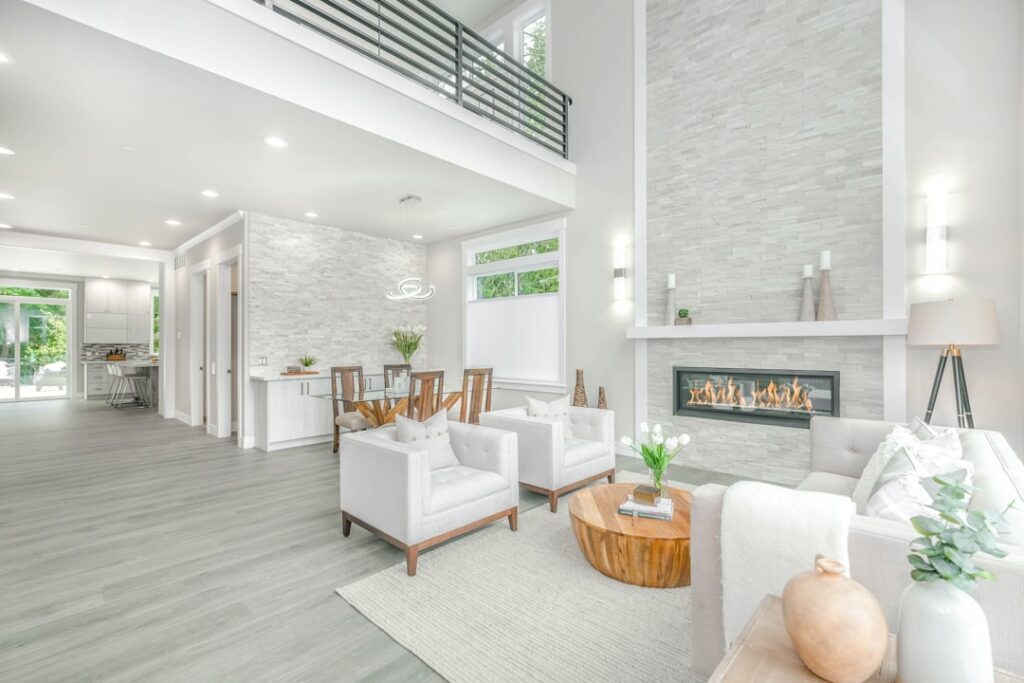
To picture it, a standard three-seat sofa is about 7 to 8 feet long. An 11×14 rug is wide enough to place that sofa fully on the rug with room for a coffee table and flanking chairs, all sitting on the same surface. That unified footprint is what makes a big room feel cohesive instead of scattered.
Which Rooms Suit an 11×14 Area Rug?
This size belongs in rooms that can carry it. Drop it into a small space and it will run wall to wall like broadloom carpet, defeating the purpose of an area rug.
- Large living rooms: Rooms of about 14 by 17 feet or larger let the rug anchor the full seating group with an even border of floor around it.
- Open-plan great rooms: Use it to visually separate the living zone from a dining or kitchen area in a big open layout.
- Primary bedrooms: Under a king bed, an 11×14 extends well past the sides and foot, so you step onto softness on every side.
- Large dining rooms: It keeps chairs on the rug even when pulled out, as long as the table seats eight or more.
Furniture Placement on a Large Rug
The whole reason to size up is to get furniture onto the rug. There are two proven approaches, and both look intentional.
All Legs On
Place every piece of the seating group fully on the rug, with the front and back legs on the surface. This is the most luxurious, grounded look and the reason 11×14 exists. Aim for 8 to 18 inches of bare floor between the rug edge and the walls.
Front Legs On
If your room is on the smaller end for this size, set just the front legs of the sofa and chairs on the rug. This still unifies the grouping while leaving a wider floor border. It works well when you want the rug to feel proportionate without dominating.
Choosing Material and Pile
A rug this large is an investment, so pick a fiber that fits your traffic and budget. Wool is durable, soft, and naturally stain-resistant, ideal for a living room that gets daily use. Synthetic fibers like polypropylene deliver a large rug at a lower price and clean up easily, a smart choice for homes with kids and pets. Natural fibers like jute add texture but wear faster in high-traffic zones.
Pile height sets the mood. A low, flat weave is easy to vacuum and keeps furniture stable. A plush, higher pile feels cozy underfoot in a bedroom but shows footprints and takes more effort to clean. Match the pile to how the room is used.
Budgeting for an 11×14
Big rugs cost more simply because of the material involved. Budget synthetic 11×14 rugs start around a few hundred dollars, mid-range wool blends run several hundred to over a thousand, and hand-knotted wool or premium designs can climb well beyond that. Factor in a quality rug pad too, which is essential at this size to prevent slipping, cushion the rug, and extend its life.
Delivery, Handling, and Padding
An 11×14 rug is heavy and arrives tightly rolled. Plan for two people to carry and unroll it, and give it a few days to relax flat, weighting stubborn corners or reverse-rolling it gently to release creases. A felt-and-rubber rug pad cut a couple of inches smaller than the rug on all sides keeps it from sliding and protects the floor underneath.
How 11×14 Compares to Other Large Sizes
It helps to see where this size sits among big rugs. An 8-by-10 covers about 80 square feet and suits a medium living room where only the front legs of furniture sit on the rug. A 9-by-12, at 108 square feet, is the most common large size and handles many standard living rooms. An 11-by-14 jumps to 154 square feet, a genuine step up meant for large and open-plan rooms.
Above that, 12-by-15 and 12-by-18 rugs serve great rooms and grand spaces. The lesson is to measure before you assume 11×14 is right; in a room under about 14 by 17 feet, a 9-by-12 may actually look better proportioned. The goal is always a balanced border of bare floor framing the rug, not wall-to-wall coverage.
Measuring Your Room the Right Way
Getting the size right starts with a tape measure and painter’s tape, not guesswork. Measure the length and width of the room, then subtract the border you want, ideally 8 to 18 inches of bare floor on each side, to find your ideal rug dimensions. If those land near 11 by 14, this size is your match.
Before buying, outline the rug’s footprint on the floor with painter’s tape and set your furniture roughly in place. This simple test shows instantly whether the seating group fits with all legs or front legs on the rug, and whether the border looks balanced against the walls and doorways. Taking twenty minutes to tape it out prevents the costly mistake of ordering a heavy, expensive rug that turns out to be the wrong scale for the space.
Why a Rug Pad Is Non-Negotiable at This Size
With a rug this large and heavy, a quality pad is not an optional accessory but a core part of the purchase. A good pad keeps the rug from creeping and rippling under the weight of furniture and foot traffic, protects your floor from abrasion, and adds a layer of cushioning that makes the rug feel more luxurious underfoot. It also extends the rug’s life by absorbing impact and preventing the backing from grinding against the floor.
Choose a felt-and-rubber pad for hard floors, which combines grip with cushioning and is safe for wood finishes. Cut or order the pad about an inch smaller than the rug on all sides so it stays hidden. On carpet, use a specialized pad designed to keep an area rug from shifting over the pile. Spending a bit more on the pad pays off across the many years you will keep an investment rug of this size.
Is an 11×14 Area Rug Right for You?
If your living room, great room, or primary bedroom feels like the furniture is drifting on a too-small island, an 11×14 area rug is likely the missing piece. It lets you place the whole seating group on one surface, defines large open spaces, and gives a big room the grounded, finished feel that smaller rugs never quite achieve. Measure your space, aim for a balanced floor border, invest in a good pad, and this oversized rug will pull the entire room together.