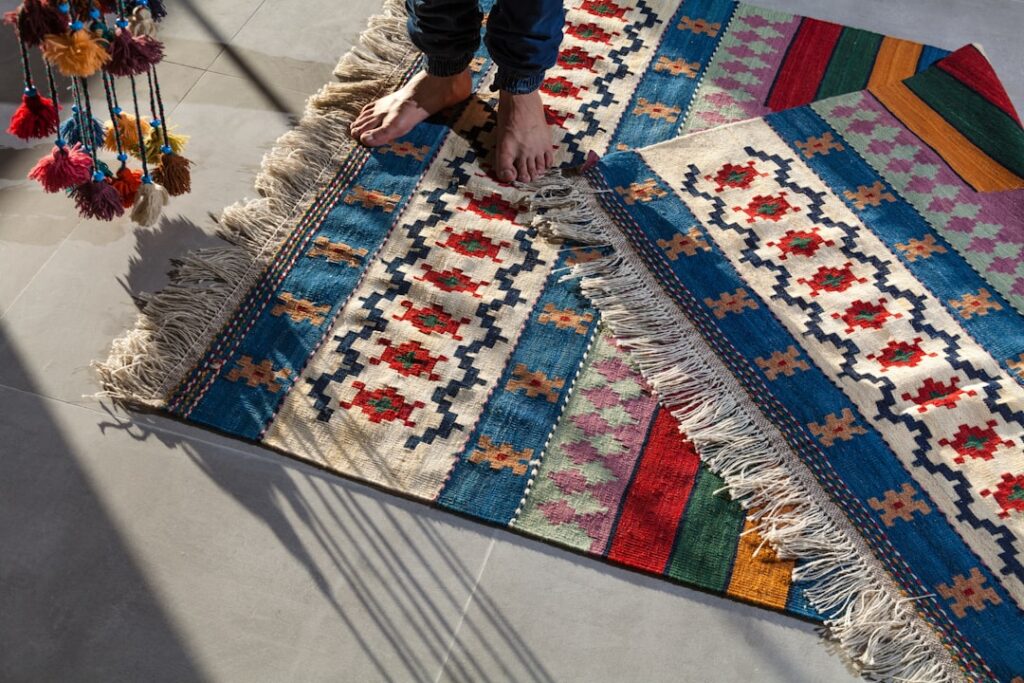
A 3×6 rug sits in the sweet spot between a small accent mat and a full-length hallway runner, measuring three feet wide by six feet long and covering eighteen square feet of floor. That proportion makes it one of the handiest sizes in the home, long enough to protect a high-traffic path yet compact enough to tuck into a galley kitchen, a narrow entry, or the foot of a bed. If you have a spot that feels too small for a standard area rug but too important to leave bare, this is often the size you are reaching for.
This guide explains exactly where a three-by-six works, how it compares to true runners, which materials hold up in the spots it usually lands, and how to keep it flat and clean.
Understanding the 3×6 Size
At roughly twice as long as it is wide, a 3×6 reads as a short runner. It bridges the gap between common scatter sizes like 2×3 and 3×5 and the longer 2.5×8 and 3×8 runners made for full hallways. The extra length over a 3×5 may sound minor, but that additional foot is often what carries a rug from one side of a doorway or appliance to the other, which is why this size disappears off store shelves so quickly.
Because it is narrow, a 3×6 is rarely meant to anchor furniture the way a larger area rug does. Think of it instead as a functional strip that defines a path, cushions a work zone, or adds softness to a tight space.
Best Places to Use a 3×6 Rug
The size earns its keep in the busiest, most awkward corners of a house. Consider these proven spots:
- Kitchen galleys: laid down the working aisle in front of the sink and stove, where it cushions your feet and catches drips.
- Entryways and mudrooms: long enough to handle several steps of incoming foot traffic and trap grit before it spreads.
- Short hallways: a clean fit for halls too brief for an eight-foot runner.
- Bedside and foot-of-bed: a soft landing strip beside a twin or full bed, or a textural layer at the foot of a larger one.
- Bathrooms and laundry rooms: a non-bath-mat option that covers more floor and dries underfoot.
Leave a few inches of bare floor on each side rather than running the rug wall to wall; that visible border frames the rug and makes the space feel intentional instead of cramped.
How It Compares to a Standard Runner
True runners typically start around eight feet and stretch to ten, twelve, or more for long corridors. A 3×6 is the better choice when a full runner would overshoot the space or bump into a doorway. The decision usually comes down to measuring the open path: if your usable run is six feet or less, the shorter rug keeps the ends from curling against a threshold or under a swinging door.
The width is also slightly more generous than many dedicated runners, which often measure just 2 to 2.5 feet across. That extra width gives a 3×6 a more grounded, area-rug feel underfoot, which is part of why it works so well in front of kitchen counters where you stand and shift weight.
Choosing the Right Material
Because a three-by-six almost always lands in a high-traffic or splash-prone zone, durability and cleanability matter more than plushness. Match the fiber to the room:
- Polypropylene: the practical default for kitchens and entries; it resists stains and fading and rinses clean.
- Wool: springy, naturally soil-resistant, and long-lasting; worth the premium in bedrooms and lower-traffic halls.
- Cotton flatweave: often machine washable, making it ideal for kitchens and laundry rooms where spills are routine.
- Polyester: soft and budget-friendly with good stain resistance, though it crushes faster underfoot.
- Jute and sisal: handsome and textural in entries, but keep them away from steady moisture.
Keep the pile low. A flatweave or low-pile rug lies flat under doors, resists tripping, and is far easier to vacuum and wash than a thick shag, which mats down quickly in a traffic lane anyway.
The Non-Slip Question
A narrow rug in a busy path is a slip hazard if it shifts, so anti-slip backing is not optional here. You have two ways to handle it. Buy a rug with a built-in rubber or latex backing, which is common in washable kitchen styles, or place a thin gripper pad cut slightly smaller than the rug underneath. On hard floors the pad also protects the finish and keeps the edges from curling. In a kitchen or bathroom where the rug meets water often, prioritize a backing that will not trap moisture against the floor and discolor it.
Styling a 3×6 Rug
Because the footprint is small, a 3×6 is a low-risk place to be bold. A vivid runner-style pattern, a Persian-inspired motif, or a stripe can bring color into a kitchen or entry without committing to a large, expensive rug. Busy patterns also hide the crumbs, footprints, and everyday soil these spaces collect, which is a genuine practical advantage.
If the adjacent room already has a large patterned rug, choose something quieter for the 3×6 so the two do not fight. In an open kitchen that flows into a living area, picking up one accent color from the larger space ties the zones together.
Care and Maintenance
Vacuum or shake out a 3×6 frequently, since it lives where dirt accumulates fastest. For washable cotton or synthetic styles, launder on a gentle cycle and air dry or tumble on low; confirm the care label first, because high heat can ruin a rubber backing. Blot spills immediately and treat stains according to the fiber type rather than reaching for a one-size product.
Flatten a newly unrolled rug by laying it out and letting it relax for a few days; reverse-rolling stubborn edges or weighting the corners speeds things along. Rotate the rug end to end every couple of months so foot traffic wears it evenly, which noticeably extends its life in a kitchen aisle or entry where one zone takes most of the abuse.
Final Thoughts
A 3×6 rug solves a specific and surprisingly common problem: the floor that is too busy to leave bare but too tight for a full-size area rug or a long runner. Measure your space, pick a low-pile fiber suited to the room’s traffic and moisture, anchor it with a non-slip pad, and you have a hardworking piece that adds comfort and style exactly where you need it most. For kitchens, entries, and bedsides, few sizes pull their weight as reliably.