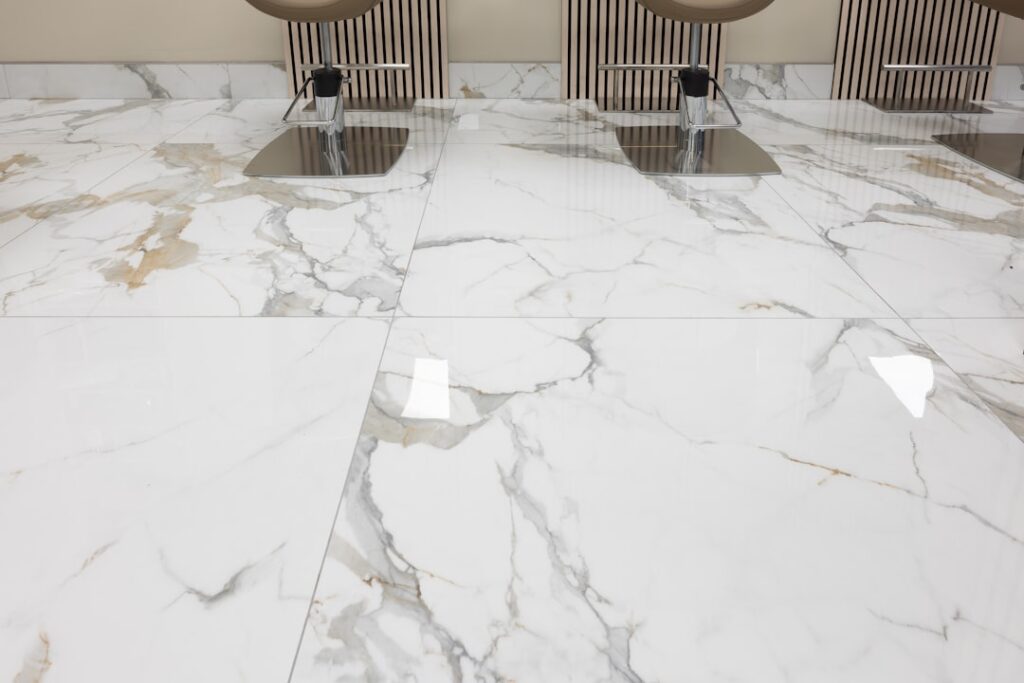
For homeowners chasing a sleek, expansive, almost seamless floor, 48×48 porcelain tile is one of the most striking options available. At a full four feet square, these large-format slabs dramatically reduce the number of grout lines in a room, creating a continuous, luxurious surface that feels modern and high-end. But their size brings both benefits and challenges, from the stunning uninterrupted look to the demanding installation. This guide walks you through everything you need to know before choosing this bold large-format tile for your home.
- What Is 48×48 Porcelain Tile
- The Appeal of Large-Format Tile
- How Much Does 48×48 Porcelain Tile Cost
- Installation Challenges to Understand
- Where 48×48 Porcelain Tile Works Best
- Pros and Cons
- Care and Maintenance
- Preparing the Substrate
- Design Effects and Grout Choices
- Is Large-Format Tile Worth It
- Handling and Storing Large Slabs
- Final Thoughts
What Is 48×48 Porcelain Tile
A 48×48 porcelain tile measures 48 inches by 48 inches, covering a full 16 square feet per piece. Made from dense, kiln-fired porcelain, it is extremely hard, water-resistant, and durable. Because each tile is so large, a single piece can span an area that would otherwise require many smaller tiles and dozens of grout joints. Manufacturers offer these slabs in convincing marble, stone, concrete, and terrazzo looks, allowing you to achieve the appearance of a natural slab floor with the toughness and low maintenance of porcelain.
The Appeal of Large-Format Tile
The main draw is the clean, uninterrupted look. Fewer grout lines mean:
- A more spacious feel: Continuous surfaces make rooms appear larger and more open.
- Less grout to clean: Grout is the hardest part of a tile floor to keep pristine, and this format minimizes it.
- A seamless, luxurious aesthetic: Marble and stone looks read as genuine slabs rather than tiled fields.
- Modern minimalism: The expansive surface suits contemporary, gallery-like interiors.
For open-plan living areas, large entryways, and commercial-style spaces, the effect is genuinely impressive and hard to replicate with smaller tiles.
How Much Does 48×48 Porcelain Tile Cost
Large-format porcelain commands a premium over standard tile:
- Tile material: $7 to $20 per square foot, with high-end marble looks reaching $25 or more.
- Installation: $10 to $25 per square foot, higher than standard tile because of the specialized handling required.
A 200-square-foot room might total $4,000 to $9,000 installed. The elevated labor cost reflects the reality that large slabs require a perfectly flat substrate, special tools, often two installers to handle each piece, and meticulous technique to avoid lippage and cracking. Always order at least 10 percent extra, and store the heavy tiles carefully to prevent breakage before installation.
Installation Challenges to Understand
This is not a typical DIY tile. The large format demands professional-grade preparation and technique:
- Substrate flatness is critical: The floor must be exceptionally flat, often within 1/8 inch over 10 feet, or the rigid slabs will rock and crack.
- Full mortar coverage: Installers use large-notch trowels and back-butter each tile to eliminate voids that cause cracks.
- Lippage control: Leveling systems keep adjacent slab edges flush, since any height difference is glaring on a large tile.
- Special handling: Suction cups and multiple workers are needed to lift and place each heavy piece without flexing it.
- Precise cutting: Large slabs require rail cutters or wet saws capable of long, straight cuts.
Because of these demands, hiring an installer experienced specifically with large-format tile is strongly recommended.
Where 48×48 Porcelain Tile Works Best
This format shines in large, open spaces where its scale can breathe. It is ideal for open-plan living and dining areas, spacious kitchens, grand entryways, and modern commercial interiors. It also works on feature walls and large shower walls for a dramatic, seamless effect. In small rooms, however, the giant tiles can feel out of proportion and generate awkward cuts, so smaller formats usually suit compact bathrooms and hallways better. Match the tile scale to the room scale for the most balanced result.
Pros and Cons
Understanding the trade-offs helps set expectations:
- Pros: Seamless luxurious look, fewer grout lines, easier grout maintenance, excellent durability, spacious feel, and realistic stone and marble appearances.
- Cons: Higher material and labor costs, demanding installation, need for a very flat substrate, difficulty handling and cutting, and awkward proportions in small rooms.
For the right space and budget, the pros are compelling, but the format is unforgiving of shortcuts in preparation and installation.
Care and Maintenance
One of porcelain’s great strengths is easy upkeep. A 48×48 porcelain tile floor needs only regular sweeping and damp mopping with a pH-neutral cleaner. The dense, non-porous body resists stains and water, and unlike natural stone it never needs sealing. The minimal grout lines mean far less scrubbing than a small-tile floor. Address the grout that does exist with periodic cleaning and sealing to keep it looking crisp, and use felt pads under heavy furniture to protect the surface, though porcelain is highly scratch-resistant.
Preparing the Substrate
No step matters more with large-format tile than substrate preparation, because the bigger the tile, the less it can conform to an uneven floor. A dip that a small tile would bridge invisibly becomes a rocking, crack-prone void under a four-foot slab. Installers typically check flatness with a long straightedge and correct high and low spots with a self-leveling underlayment before setting a single tile. The subfloor must also be rigid and stable, since deflection or movement transfers stress to the tile and grout. On wood subfloors, an appropriate backer or uncoupling membrane helps manage movement. Investing in this preparation is what separates a flawless large-format floor from one that cracks within a year.
Design Effects and Grout Choices
The whole point of a 48×48 tile is the seamless, expansive look, so design choices should reinforce it. A grout color matched closely to the tile makes the joints nearly disappear, enhancing the slab-like effect, while a contrasting grout would fight the seamless intent. Because the joints are minimal, many installers use the tightest grout line the tile allows. Marble and stone-look slabs read most convincingly when the veining is thoughtfully arranged so patterns flow across tiles rather than repeating obviously. Consider requesting a dry layout before setting so the installer can position the tiles for the most natural, continuous appearance across the room.
Is Large-Format Tile Worth It
Deciding whether this format suits your project comes down to space, budget, and expectations. If you have a large, open, well-prepared area and the budget for premium material and skilled labor, the payoff is a stunning, low-maintenance, luxurious floor that few other products can match. If your space is small, your floor is uneven, or your budget is tight, a standard large-format tile such as 24×24 offers much of the seamless benefit with easier handling and lower cost. Being honest about these factors up front ensures you end up delighted rather than frustrated with an ambitious but demanding material.
Handling and Storing Large Slabs
The sheer size of these tiles makes handling a real consideration that smaller formats never require. Each 48×48 piece is heavy and, despite porcelain’s hardness, surprisingly vulnerable to cracking if it flexes during lifting. Professionals use suction-cup carrying frames and always move each slab with two or more people to keep it flat and supported. Before installation, store the tiles flat and fully supported rather than leaning them on edge, where their own weight can stress and crack them. Inspect each piece for hairline damage before setting, since a compromised tile will fail after installation. Even the transport from delivery truck to the room deserves care, as most breakage happens before a tile is ever set. Factoring in careful handling, adequate helpers, and safe storage protects your investment in this premium material and prevents the frustration and cost of replacing slabs damaged through simple mishandling.
Final Thoughts
A 48×48 porcelain tile floor delivers a seamless, luxurious, and thoroughly modern look that smaller tiles simply cannot match, with the bonus of porcelain’s durability and low maintenance. The trade-off is a higher cost and a demanding installation that truly requires an experienced professional and a meticulously flat substrate. If you have a large, open space and the budget to do it right, this large-format tile can transform a room into an elegant, gallery-like environment that impresses for decades. Plan carefully, hire the right installer, and the results will speak for themselves.
Prefer to explore on your own?
See how new flooring looks in your actual room in seconds — free, no signup.
Try the free Floor Studio →