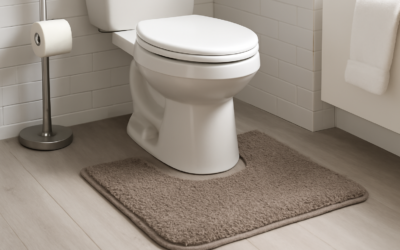
Walk into almost any rug showroom and you will see more options in the 5×7 rug size than any other dimension, and there is a good reason for that. A 5×7 rug measures 60 inches by 84 inches, which lands in the sweet spot between a small accent rug and a full room-sized piece. It anchors a seating area without swallowing the floor, and it fits through doorways and into apartments where bigger rugs feel cramped. Pick it wisely and it pulls a room together; pick it carelessly and it floats like an island in the middle of your floor.
What 5×7 Actually Means in Inches and Feet
Rug sizes are listed in feet, so a 5×7 is 5 feet wide by 7 feet long. Converted, that is 60 inches by 84 inches, or roughly 152 by 213 centimeters for anyone shopping imported pieces. Keep in mind that hand-knotted and hand-woven rugs are rarely exact. It is common to see a “5×7″ sold at 5’1″ by 7’3″ or 4’11” by 6’10,” so a half-inch to two inches of variance in either direction is normal and not a defect.
That footprint covers about 35 square feet. For comparison, a 4×6 covers 24 square feet and an 8×10 covers 80. Knowing the exact spread helps when you tape out the area on your floor before buying.
Which Rooms a 5×7 Rug Fits Best
Medium and small rooms are where this size shines. It works beautifully in apartments, condos, and starter homes where an oversized rug would crowd the walkways.
- Living rooms (small to medium): Great for a loveseat-and-chair setup or a compact sofa arrangement up to about 11 by 13 feet.
- Bedrooms: Slide it under the lower two-thirds of a queen bed so it frames the bed and gives your feet a soft landing.
- Dining nooks: Suits a four-seat table, though a true six-seater usually needs an 8×10.
- Home offices: Defines a desk zone in a multipurpose room.
- Entryways and reading corners: Adds warmth and texture in a tighter footprint.
Furniture Placement Rules That Make It Work
Placement is where most people go wrong. A 5×7 looks intentional when at least the front legs of your seating touch the rug. Float it with no furniture overlap and the room reads disconnected.
In a living room, pull the rug so the front two legs of the sofa and any accent chairs rest on it. That visual tether unifies the grouping even though the rug does not run wall to wall. Leave 8 to 18 inches of bare floor between the rug edge and the walls so the border breathes.
For a bedroom, center the rug on the lower portion of the bed. With a queen, you will get roughly 18 to 24 inches of rug showing on each side and at the foot, which is exactly what you want for that step-out-of-bed comfort.
How a 5×7 Compares to Neighboring Sizes
Before you commit, weigh it against the sizes on either side so you do not end up returning it.
- 4×6: Better for entryways, small bedrooms, and accent spots. Too small to anchor most sofas.
- 5×7: The flexible middle ground; works under seating fronts and in compact dining areas.
- 6×9: A step up when your living room runs 12 by 15 feet or larger and you want more legs on the rug.
- 8×10: Best for spacious living and dining rooms where you want all furniture legs fully on the rug.
A simple field test: measure your seating arrangement, add 8 inches of clearance on each side, and see if 60 by 84 inches still covers the front legs. If it falls short, size up.
What a 5×7 Rug Costs
Price swings hard based on material and construction. As a general market range, expect machine-made polypropylene and polyester rugs to run about $50 to $200. Wool and higher-quality machine-woven pieces typically land between $150 and $600. Hand-knotted wool or natural-fiber rugs can climb from $500 to well over $2,000 depending on knot density and origin.
Budget another $20 to $50 for a quality rug pad. A pad in this size, cut to about 4’10” by 6’10,” keeps the rug from sliding, adds cushion, and protects both the rug and your floor finish underneath.
Choosing the Right Material and Pile
Match the fiber to the traffic. High-traffic living rooms and entryways do best with durable, stain-resistant synthetics or tightly woven wool. Bedrooms can handle softer, plusher piles since foot traffic is lighter.
- Polypropylene: Affordable, stain-resistant, easy to clean. Ideal for busy households and homes with kids or pets.
- Wool: Naturally resilient, warm, and long-lasting. Hides dirt well but costs more.
- Jute and sisal: Textured and natural, but rougher underfoot and harder to clean spills from.
- Viscose blends: Silky sheen, but less durable and sensitive to moisture.
Pile height matters too. A low pile under half an inch is easier to vacuum and lets doors clear it. Shag and high pile feel cozy but trap more debris.
Care and Maintenance Tips
Vacuum a 5×7 once a week in low-traffic rooms and two to three times weekly in busy ones. Rotate it 180 degrees every three to six months so foot traffic and sunlight wear it evenly. Blot spills immediately with a clean cloth rather than rubbing, which pushes stains deeper into the fibers.
For deeper cleaning, most synthetic rugs handle a gentle wash with cold water and mild detergent, then air drying flat at room temperature. Wool and delicate fibers are safer with professional cleaning every 12 to 18 months. Always use a rug pad, and keep the rug out of standing water to prevent mildew and backing breakdown.
Is a 5×7 Right for Your Space?
Tape out a 60-by-84-inch rectangle on your floor with painter’s tape before you buy anything. Live with it for a day. Walk the room, set a chair on the edge, and see how the proportions feel against your furniture. If your front legs land comfortably on the tape and you still have a clean border to the walls, the 5×7 is your size. When you want a versatile, budget-friendly rug that fits real-world rooms, this dimension earns its popularity, and the team at D and G Flooring sees it chosen more than almost any other.