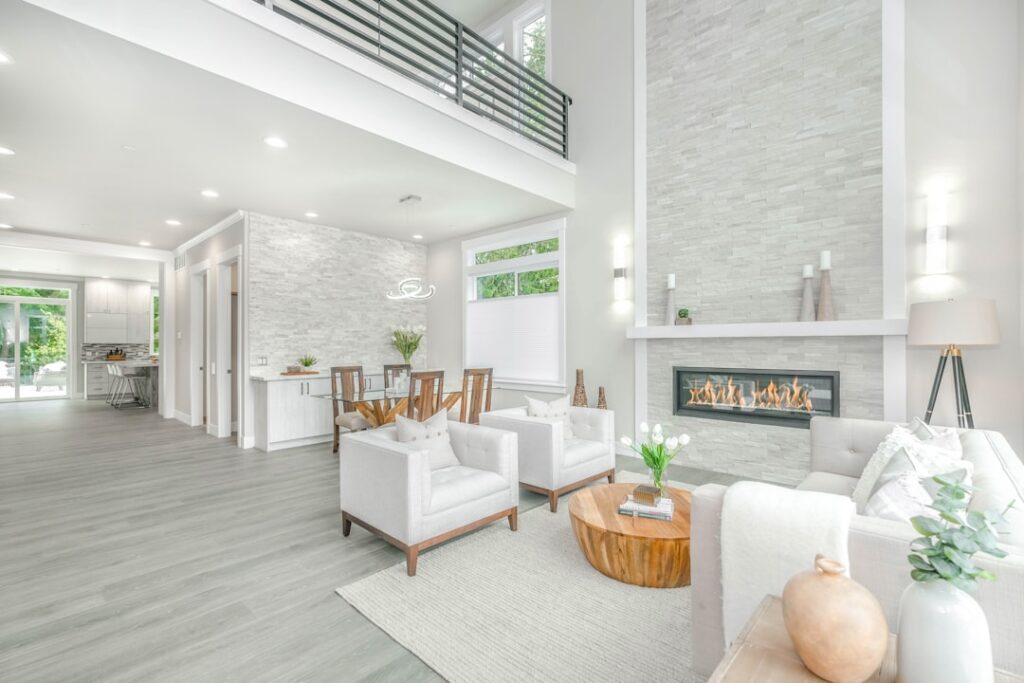
Rug aisles are stocked with 5x8s and 8x10s, so when your room measures somewhere in between, you end up staring at a floor that no standard size quite fits. That is exactly the gap a 6×7 rug fills. At 42 square feet, this mid-size rectangle lands between the small accent rugs and the big area pieces, making it ideal for compact rooms, layered looks, and spaces where the common sizes float or crowd. Here is how to use one well and how to buy the right one.
Understanding the 6×7 Size
A 6-foot by 7-foot rug covers 42 square feet, putting it just above a 5×7 and well under a 6×9. The near-square proportion is the key feature. Where a long, narrow runner or an elongated 8×10 emphasizes one direction, the 6×7 reads as balanced, which suits rooms that are themselves close to square.
That shape also makes it easy to center under a coffee table or a queen bed without leaving lopsided margins. You get enough coverage to define a zone without the rug swallowing the entire floor.
Best Rooms for a 6×7 Rug
This size earns its keep in spaces where bigger rugs overwhelm and smaller ones look stranded.
- Small living rooms: Place the front legs of your sofa and chairs on the rug to anchor a seating group in an apartment or condo.
- Bedrooms: Slide it under the lower two-thirds of a queen bed so it frames the foot and the area you step onto each morning.
- Home offices: A 6×7 fits neatly under a desk and chair without crowding a tight room.
- Dining nooks: Works under a small four-top table, though confirm chairs stay on the rug when pulled out.
- Layering: Stack it at an angle over a larger jute or sisal base for a designed, textured look.
Choosing the Right Material
Size sets the footprint, but material decides how the rug lives. Match it to the traffic and the room’s purpose.
Wool
The durable, natural choice. Wool resists crushing, hides dirt, and lasts for decades. It runs higher, often $200 to $600 for a quality 6×7, but the lifespan justifies the cost in a living room.
Synthetics
Polypropylene and polyester rugs are budget-friendly, stain-resistant, and easy to clean, typically $60 to $200 in this size. They are the smart pick for households with kids and pets or for a rug you may want to refresh in a few years.
Natural Fibers
Jute and sisal bring organic texture and pair beautifully as a layering base, but they are rough underfoot and stain easily. Reserve them for low-traffic or decorative roles.
Getting the Layout Right
A common mistake is shoving a rug fully under the furniture or floating it like an island. Aim for intentional placement. In a seating area, leave about 12 to 18 inches of bare floor between the rug edge and the walls so the room does not feel boxed in.
Under furniture, the front-legs-on rule keeps a 6×7 from looking undersized: rest the front feet of each piece on the rug to tie the grouping together. If your sofa sits against a wall, even just floating the rug a few inches under the front edge reads as deliberate.
Pile Height and Comfort
How the rug feels matters as much as how it looks. Low-pile and flatweave rugs handle chairs, foot traffic, and vacuuming with ease, which makes them right for dining and office use. High-pile and shag styles feel plush underfoot and suit bedrooms and lounge corners, but they trap crumbs and crush under heavy furniture. For a do-everything living-room rug, a medium pile around 1/4 to 1/2 inch is the sweet spot between comfort and easy care.
Don’t Forget the Rug Pad
Buy a pad with the rug, not later. A quality non-slip pad cut to about 5 feet 10 inches by 6 feet 10 inches keeps a 6×7 rug from sliding, adds cushion underfoot, and protects both the rug backing and the floor below. On hard surfaces it also stops the rug from rippling and curling at the corners. Expect to pay $25 to $50 for a felt-and-rubber pad in this size, and trim it an inch smaller than the rug on every side so it stays hidden.
6×7 vs. Other Common Rug Sizes
Seeing the numbers side by side makes the choice obvious. A 5×7 covers 35 square feet and a 5×8 covers 40, both of which can leave a sofa grouping feeling a little tight. Jump to a 6×9 and you are at 54 square feet, while the popular 8×10 hits 80. At 42 square feet, the 6×7 slots neatly into the gap between cozy and oversized.
The near-square proportion is what really sets it apart. An 8×10 is strongly rectangular and pulls the eye lengthwise, which works in a long living room but looks awkward in a 12-by-13-foot bedroom. The balanced 6×7 footprint sits comfortably under a queen bed or a compact seating group without one side stretching past the furniture. When you are torn between a 5×8 that feels stingy and an 8×10 that crowds the walls, this size is frequently the answer that lands in between.
Patterns and Colors That Work
Because a 6×7 anchors a smaller room, the pattern you choose carries extra weight. Busy, large-scale prints can overwhelm a compact space, so for rooms under about 150 square feet, lean toward subtle texture, a low-contrast geometric, or a soft distressed Persian look that adds interest without shouting.
Color follows the same logic. Lighter neutrals like ivory, oatmeal, and pale gray make a small room read larger and brighter, while a deep navy or charcoal grounds a seating area and hides everyday traffic. A few pairings that reliably land well:
- Light and airy: Cream or beige with a faint tonal pattern, ideal for small bedrooms and offices.
- Warm and grounded: Rust, terracotta, or olive that pulls warmth into a cool-toned room.
- High contrast: A black-and-ivory geometric for a modern, graphic statement under a glass coffee table.
- Layered: A patterned 6×7 angled over a plain jute base for depth and a designed feel.
When in doubt, pick a pattern that repeats a color already in the room, like a cushion or a wall, so the rug reads as planned rather than dropped in.
What You Should Pay
Pricing spans a wide range. A basic synthetic 6×7 starts around $60, mid-range machine-woven options land between $150 and $300, and hand-knotted wool can run past $700. Set your budget by traffic: spend more where the rug works hard and people see it, and save on rugs in guest rooms or layered roles. A well-chosen 6×7 rug delivers the polish of a properly sized floor covering at a price that often beats jumping up to the next standard size.