A 6×9 outdoor rug is one of the most useful sizes you can buy for a deck, patio, or covered porch, yet most people pick the wrong material and watch it fade or mildew within a single season. The 6-by-9-foot footprint is large enough to anchor a small seating group or a dining set for four, but compact enough to fit a balcony or a tight back porch. Choosing well comes down to fiber, weave, and how much weather the rug actually faces. Get those three right and you will keep the same rug looking sharp for five to ten years.
Why the 6×9 Size Works So Well
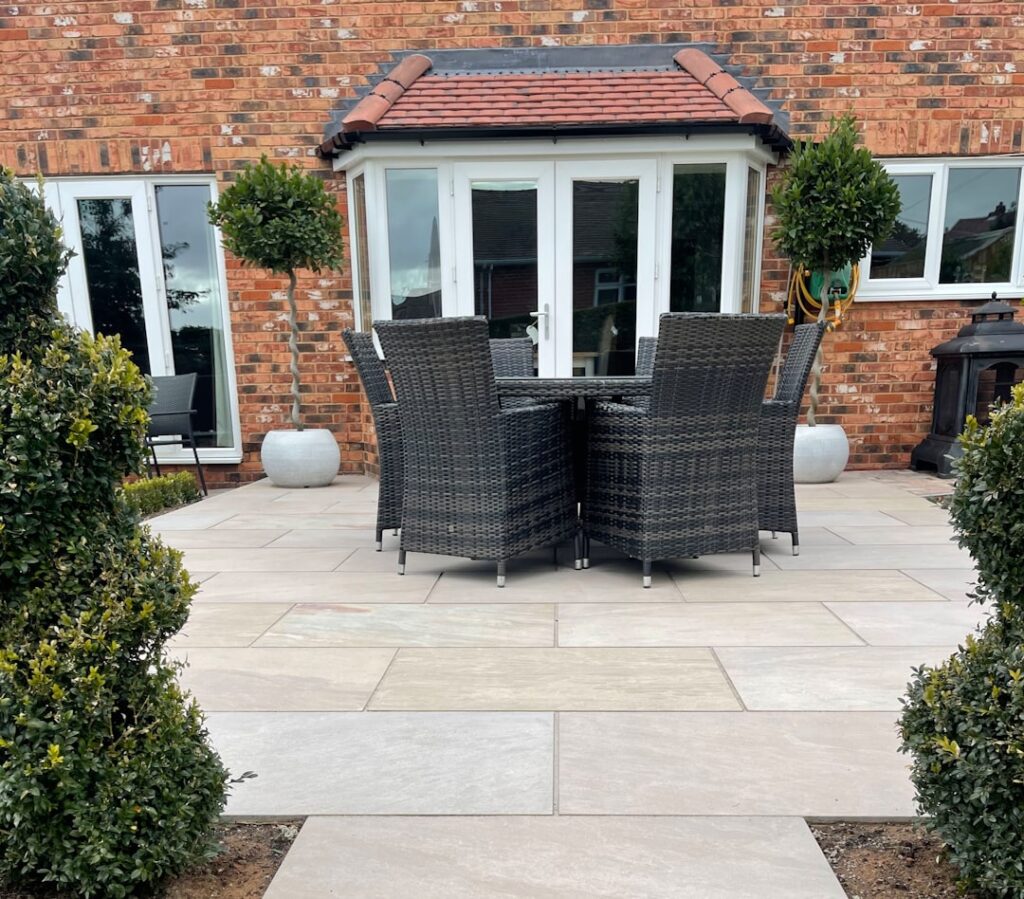
At 54 square feet, a 6×9 rug splits the difference between a small accent piece and a room-sized rug. It comfortably defines a conversation area with two chairs and a small sofa, or sits under a 36-inch to 42-inch round dining table with chairs that stay on the rug when pulled out. For a standard 10×10 deck, a 6×9 leaves a clean 18-inch border of decking visible on the long sides, which most designers consider the sweet spot.
If your furniture legs are slipping off the edges, you have sized down too far. The general rule outdoors is the same as indoors: at least the front legs of every seating piece should rest on the rug. When in doubt between this size and a 5×8, go with the 6×9. The extra foot in each direction makes a patio feel intentional rather than cramped.
Material Choices That Survive the Weather
Outdoor rugs live or die by their fiber. The most common and most reliable option is polypropylene, often labeled as olefin. It resists moisture, dries fast, shrugs off UV fading, and rinses clean with a hose. Most flat-woven outdoor rugs you see at home centers are polypropylene, and they run roughly $40 to $120 for a 6×9.
- Polypropylene (olefin): Best all-around value, fade-resistant, fully washable, slightly slick underfoot.
- Recycled PET (plastic bottles): Softer hand than olefin, eco-friendly, good stain resistance, usually $60 to $150.
- Polyester: Plush and colorful but less UV-stable; better for shaded porches than full-sun decks.
- Natural fibers (jute, sisal, bamboo): Beautiful but only for fully covered, dry areas; they rot if rained on.
For anything exposed to direct rain or harsh sun, stick with polypropylene or recycled PET. Save the natural fibers for a screened porch.
Weave and Backing Matter Too
Flat-woven and reversible rugs are the workhorses of the outdoor category. Because they have no pile to trap water, they dry quickly and resist mildew. Many are reversible, so you can flip them when one side fades. Avoid outdoor rugs with a solid rubber or latex backing for uncovered spaces, because water gets trapped underneath and the backing breaks down into a sticky residue that stains decking.
If you need cushioning, buy a separate open-weave outdoor rug pad rather than relying on a backed rug. The pad lifts the rug slightly, lets air circulate, and keeps the rug from sliding on smooth concrete or composite decking.
Placement and Anchoring Tips
Wind is the enemy of any patio rug. On an exposed deck, a lightweight flat-woven rug can sail off in a gust. Counter this by weighting the corners with planters or furniture, or use outdoor rug grippers and stakes designed for the purpose. On grass, landscape staples driven through the corners hold a 6×9 firmly in place for a casual yard seating area.
Keep the rug a few inches away from where roof runoff hits, and never let one edge sit in a low spot that puddles. Standing water is what turns a good rug into a mildew problem.
Cleaning and Seasonal Care
One of the joys of a polypropylene 6×9 is how easy it cleans. Shake or vacuum off loose debris, then hose it down. For stains, scrub with a soft brush and a mix of mild dish soap and water, rinse thoroughly, and hang or prop the rug to dry completely before laying it flat again.
At the end of the season, clean the rug, dry it fully, roll it loosely, and store it somewhere dry. Rolling beats folding because folds create permanent creases in synthetic fibers. A rug that gets stored properly each winter can easily double its useful life.
What to Budget
Expect to pay $40 to $80 for a basic flat-woven polypropylene 6×9, $80 to $150 for a recycled-PET rug with a softer feel and richer patterns, and $150 to $250 for designer or hand-woven outdoor styles. Spending a little more on UV-stable dyes pays off if your patio faces south or west, where afternoon sun is brutal on cheaper rugs.
For most homeowners, a mid-range recycled-PET or quality polypropylene rug in the $80 to $130 range hits the sweet spot of looks, comfort, and durability. Pair it with a breathable pad and anchor the corners, and your 6×9 outdoor rug will look good through many summers of cookouts and lazy afternoons.
Matching the Rug to Your Patio Style
Color and pattern do a lot of heavy lifting outdoors, where the backdrop is greenery, fencing, and sky rather than painted walls. Lighter, neutral rugs in sand, gray, and ivory keep a small patio feeling open and reflect heat instead of absorbing it, which matters on a sunny deck where a dark rug can get uncomfortably hot underfoot. Bold geometric and Persian-style patterns, by contrast, hide dirt and the occasional spilled drink far better than solids, making them the practical pick for a busy family patio or a poolside lounge area.
Coordinate the rug with your cushions and planters rather than trying to match them exactly. A patterned rug paired with solid cushions, or solid rug under patterned pillows, reads as designed rather than busy. If your outdoor furniture is a mixed collection picked up over several seasons, a single strong rug is the fastest way to make the whole grouping look intentional.
Common Mistakes to Avoid
A few recurring errors shorten the life of an outdoor rug or make it look wrong. Sizing down to save money is the most common: a 5×8 where a 6×9 belongs leaves furniture legs hanging off and the space feeling pinched. Leaving a rubber-backed rug on a wet deck is the second, because trapped moisture breeds mildew and the backing can stain composite and wood decking. Skipping the rug pad on smooth concrete is another, since the rug slides underfoot and curls at the corners.
Finally, do not assume any rug labeled for the patio is truly weatherproof. Plenty of soft, attractive rugs are sold as indoor-outdoor but really belong on a covered porch, not in full rain and sun. Read the fiber content and the manufacturer’s care notes before you buy, and when the product specifically says polypropylene or recycled PET and mentions UV stability, you are on safe ground for an exposed space.
Final Thoughts
The 6×9 outdoor rug earns its popularity by fitting the spaces most homeowners actually have. Match the fiber to your sun and rain exposure, skip the rubber backing for open areas, choose a pattern that hides dirt if the patio sees heavy use, and commit to a quick rinse a few times a season. Do that, and you will get a patio anchor that defines your outdoor room and survives whatever the weather throws at it for many summers to come.