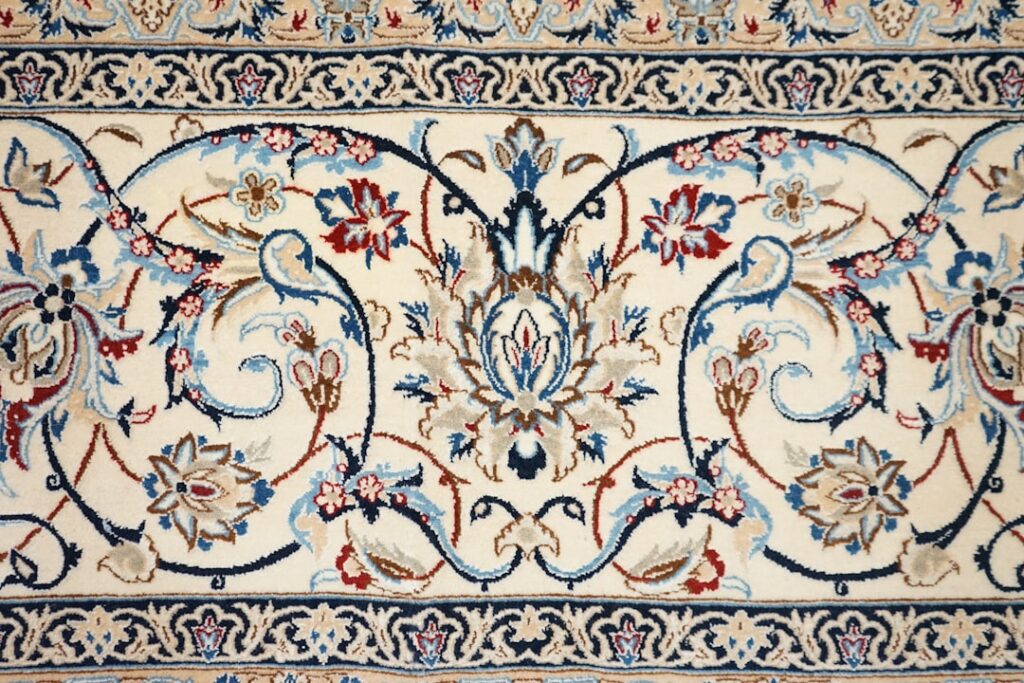
An 8×5 rug, eight feet long by five feet wide, is one of the most useful mid-size area rugs you can buy, yet it’s also one of the easiest to place wrong. It’s big enough to define a seating area or anchor a bed, but small enough that it can look stranded if you float it in the middle of a large room. The 8×5 (often listed as 5×8) lives in that sweet spot between an accent rug and a full room-sized rug, which makes it incredibly versatile when you understand where it shines. Here’s how to use one well.
How Big Is an 8×5 Rug, Really?
An 8×5 rug covers 40 square feet, with the long dimension running eight feet and the short dimension five feet. That’s a rectangle a bit longer than a standard sofa and wide enough to sit two or three feet on either side of a piece of furniture. It reads as a “medium” area rug, larger than the common 3×5 or 4×6 accent sizes but smaller than the 8×10 and 9×12 rugs used to cover most of a room. Picture it as enough to create a defined zone without carpeting the whole floor.
Best Rooms for an 8×5
This size fits a specific set of spaces beautifully:
- Small to medium living rooms: It anchors a compact seating arrangement, with the front legs of the sofa and chairs resting on the rug.
- Apartments and condos: Ideal where a 9×12 would overwhelm the room.
- Bedrooms (under or beside the bed): Placed under the lower two-thirds of a queen bed or laid alongside it, it gives you soft footing without the cost of a huge rug.
- Home offices and reading nooks: The right scale to ground a desk and chair or a single accent chair and side table.
- Dining areas for smaller tables: Works under a table for four, though you’ll want to confirm chairs stay on the rug when pulled out.
Placement in the Living Room
The classic mistake is choosing a rug too small and pushing all the furniture off it, which leaves the rug looking like an island. With an 8×5, the reliable approach is the “front legs on” arrangement: position the sofa so its two front legs sit on the rug, and do the same with flanking chairs, letting the rug fill the space between the seating and the coffee table. This visually ties the grouping together. Run the long, eight-foot dimension parallel to your sofa. If your seating area is larger than the rug can support, an 8×5 may be undersized; step up to an 8×10 in that case.
Placement in the Bedroom
An 8×5 is a budget-friendly way to add warmth to a bedroom without buying a room-sized rug. Two layouts work well:
- Under the foot of the bed: Slide the rug under the lower third of a queen or king bed so it extends out past the footboard, giving your feet a soft landing each morning.
- Alongside the bed: Run the rug down one side of the bed as a runner-style accent, or center it at the foot for a smaller bedroom.
For a queen bed where you want rug showing on three sides, you’ll generally need a larger size; the 8×5 is best as a foot-of-bed or side accent rather than a full frame.
Choosing the Right Material
Match the fiber to the room’s traffic and your tolerance for upkeep:
- Wool: Durable, soft, naturally stain-resistant, and long-lasting. The premium choice for living rooms and bedrooms.
- Synthetics (polypropylene, polyester): Affordable, easy to clean, and fade-resistant. Great for high-traffic spots, kids, pets, and casual rooms.
- Cotton: Light, casual, and often machine-washable in flat weaves, well-suited to a small dining area or a kid’s room.
- Jute and natural fiber: Adds organic texture and works in entryways and casual spaces, though it’s harder underfoot and tougher to clean.
Pattern and Color at This Size
Because an 8×5 is a focal piece rather than wall-to-wall coverage, it can carry more personality. A bold pattern or rich color anchors a neutral room and draws the eye. If your furniture is already busy or patterned, a textured solid keeps the space calm. Darker colors and busier patterns also hide everyday dirt better, a practical edge for a rug that sits in a main traffic zone. Make sure the rug’s proportions suit the furniture; the long dimension should relate to the length of your sofa or bed.
Don’t Skip the Rug Pad
A rug this size shifts easily underfoot without a pad, especially on hardwood or tile. A quality rug pad keeps it from sliding, adds cushioning, protects the floor from abrasion, and helps the rug lie flat. Buy the pad an inch or two smaller than the rug on each side so it stays hidden. It’s a small cost that meaningfully extends the rug’s life and makes it safer to walk on.
Care and Maintenance
Vacuum regularly with the beater bar off or raised to protect the fibers, and rotate the rug 180 degrees a couple of times a year so traffic and sunlight wear it evenly. Blot spills right away from the outside in rather than rubbing. Wash machine-washable cotton rugs as directed, and have wool pieces professionally cleaned every few years. A little routine care keeps an 8×5 looking sharp for a long time.
How an 8×5 Compares to Other Sizes
It helps to see where the 8×5 sits in the lineup so you don’t buy the wrong scale. A 3×5 or 4×6 is an accent rug, good for an entry, a bedside, or in front of a sink, but too small to anchor furniture. The 8×5 (5×8) is the smallest size that reliably defines a seating area or grounds a bed. Step up to a 6×9 for a slightly larger room, and to an 8×10 when you want all the furniture legs on the rug or need to cover most of a medium living room. A 9×12 is for large, open spaces and full dining rooms. If you find your furniture grouping spilling off all four sides of an 8×5, that’s your signal to size up rather than fight the layout.
Layering an 8×5 Over a Larger Rug
One stylish trick is to use an 8×5 as a layering rug. Place a large neutral base rug, often a jute or sisal in a 9×12, across the room, then center a smaller patterned or textured 8×5 on top to define the main seating zone. This adds depth, texture, and a designer feel while letting you bring in color or pattern on the smaller, less expensive piece. It also lets the 8×5 work in a bigger room where it would otherwise look stranded on its own. Layering is especially effective with a flat-weave or sheepskin 8×5 over a low-pile natural base, and it’s an easy way to refresh a room seasonally by swapping just the top rug.
The Bottom Line
An 8×5 rug is a flexible, budget-friendly size that excels at defining seating areas in smaller living rooms, grounding apartment spaces, and adding warmth at the foot of a bed. The key is placement: use the front-legs-on rule, run the long side parallel to your main furniture, and step up to a larger rug if the room is bigger than this size can anchor. Pick the right material for your traffic, add a pad, and you’ve got a hardworking rug that fits a lot of real-world rooms.