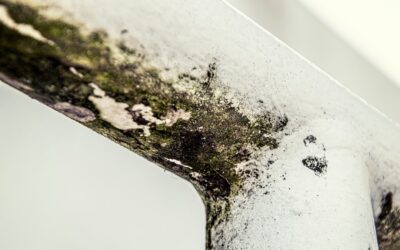
Mold in your ductwork doesn’t stay in the ducts; every time the system runs, it spreads spores through every room in the house. That’s why the air duct mold cleaning cost is one home maintenance expense you shouldn’t put off. Most homeowners pay between $600 and $3,000 for professional mold remediation in air ducts, with the national average landing around $1,500. The wide range comes down to your system’s size, how far the mold has spread, and what caused it. This guide breaks down exactly what drives the price so you can budget accurately and avoid being overcharged.
The Average Cost Range
For a typical single-family home, professional air duct mold cleaning runs $600 to $3,000. Minor surface mold in an accessible system may cost as little as $450, while extensive contamination throughout a large multi-zone system can exceed $4,000.
That figure usually includes inspection, containment, cleaning of the ducts and components, and application of an antimicrobial treatment. Always confirm what’s bundled into a quote, since some companies price the inspection, cleaning, and treatment as separate line items that add up quickly.
What Drives the Price
Several factors push the cost up or down, and understanding them helps you read a quote intelligently.
- System size: More ductwork and more vents mean more labor. A 1,000-square-foot home costs far less than a 3,500-square-foot one.
- Severity of mold: Light surface growth is cheap to treat; mold embedded in insulation or fiberglass duct board often means replacement, not just cleaning.
- Accessibility: Ducts buried in tight crawl spaces or behind finished walls raise labor costs.
- Number of HVAC units: Homes with multiple furnaces or air handlers multiply the work.
- Root cause repairs: Fixing the moisture source, like a leak or condensation problem, adds to the total but is essential.
Inspection and Testing Costs
Before any cleaning, a proper inspection identifies how far the mold has spread and what type it is. A basic visual inspection runs $100 to $300, while lab testing of air or surface samples adds $200 to $600.
Testing is worth it for moderate to severe cases because it confirms whether you’re dealing with actual toxic mold or harmless dust and debris. Some remediation companies credit the inspection fee toward the job if you hire them, so ask about that when scheduling.
Cleaning vs. Full Remediation
There’s an important distinction in what you’re paying for. Standard duct cleaning, which costs $300 to $700, removes dust and debris but is not designed to kill or fully remove established mold. True mold remediation is a more involved process.
Remediation includes sealing off the contaminated area, using HEPA-filtered negative air machines to prevent spore spread, physically cleaning every affected surface, and applying an EPA-registered antimicrobial coating. If your ducts are lined with fiberglass insulation that’s grown mold, that material typically has to be removed and replaced because it can’t be fully cleaned, which is the single biggest cost driver.
Component-Level Costs
Mold rarely stays in just the ducts. Related components often need attention, and each adds to the bill.
- Evaporator coil cleaning: A common mold hotspot, running $100 to $400.
- Blower and air handler cleaning: $200 to $500 depending on access.
- Drip pan and drain line clearing: $75 to $250; clogged drains are a frequent moisture source.
- Duct insulation replacement: $35 to $55 per linear foot if mold has penetrated lining.
Why You Shouldn’t DIY Heavy Mold
Light surface mold on a metal register is something you can wipe down yourself with detergent. But established mold inside the ductwork is a different matter, because disturbing it releases spores throughout your home and can worsen the problem.
Professionals use containment, negative air pressure, and proper protective equipment to keep spores from spreading. They also identify and fix the moisture source, which is critical; if you clean mold but leave the leak or condensation problem, it simply grows back within months. For anything beyond a small visible patch, hire a certified remediation company.
How to Save Without Cutting Corners
You can manage the cost without compromising the work. Get at least three written quotes and make sure each specifies containment, antimicrobial treatment, and any insulation replacement so you’re comparing apples to apples. Beware of suspiciously low bids that skip containment or proper remediation steps.
Address the root cause early, because catching a small condensation problem before mold spreads system-wide saves thousands. Replace your air filter on schedule, keep indoor humidity below 50 percent with a dehumidifier, and have your HVAC system inspected annually to catch moisture issues before they become a mold colony.
Signs You Have Mold in Your Ducts
Catching the problem early keeps the cost down, so know the warning signs. A persistent musty, earthy smell that intensifies when the HVAC system kicks on is the classic indicator. You might also spot visible black, green, or white growth around vents and registers.
Health clues matter too. If household members develop unexplained allergy-like symptoms, congestion, headaches, or respiratory irritation that eases when they leave the house, contaminated ductwork could be circulating spores. Increased dust, excess humidity near vents, and condensation on registers all point toward a moisture problem that feeds mold. Any of these signs warrants an inspection before the colony spreads and the bill grows.
Does Insurance Cover It?
Homeowners often hope insurance will absorb the cost, and sometimes it does. Coverage typically depends on the source: if the mold resulted from a sudden, covered event like a burst pipe, your policy may pay for remediation. Mold from long-term neglect, gradual leaks, or high humidity is usually excluded.
Review your policy or call your agent before assuming coverage either way, and document everything with photos. Many policies also cap mold-related payouts at a few thousand dollars, so even covered claims may not cover the full job on a severe case. Acting fast strengthens any claim, since insurers are quicker to deny damage that festered over months.
Budgeting With Confidence
For most homeowners, setting aside $1,000 to $2,000 covers a typical air duct mold remediation, with the final air duct mold cleaning cost depending on your home’s size and how far the problem has spread. Spend the money on a certified professional, insist on fixing the underlying moisture source, and treat regular HVAC maintenance as cheap insurance against a far more expensive repeat job down the road.