

Quartz, granite, marble and more — compare countertop materials, prices, colors, edges and care with expert, homeowner-friendly guides from the DG Floors team.
Countertops are the surface you touch, cut, spill on and look at more than any other in the house, and they anchor the look of a kitchen or bath the way nothing else does. They are also one of the biggest single line items in a remodel, so the choice deserves more than a showroom glance. This guide compares every major countertop material by durability, price, maintenance and looks, then walks through edges, colors, fabrication and care — with detailed guides linked in each section so you can go deep where it matters.
Choosing a countertop material
There is no single best countertop — only the best fit for how you cook, clean and budget. The honest tradeoffs come down to four things: how much daily abuse the surface shrugs off, how much upkeep it demands, how it looks, and what it costs installed. Quartz wins on low maintenance, granite and quartzite on heat and natural character, marble on pure beauty, and butcher block or laminate on budget. If you are unsure what you already have, our guide on identifying your countertop material is a good place to start, and comparing countertop materials side by side lays out the pros and costs in one place.
Two practical details shape every quote before you even pick a color. The first is thickness: stone comes in 2 cm and 3 cm slabs, and 3 cm (about 1¼ inches) is the sturdier, more premium standard that usually needs no plywood substrate. The second is seams. Slabs top out around 120 by 65 inches, so a large island or a run longer than about ten feet will have a visible seam — busier, darker stones hide it far better than pale, uniform ones. Knowing your slab yield and seam placement up front prevents the two most common countertop surprises: an unexpected second slab, and a seam landing right where you prep.
Quartz countertops
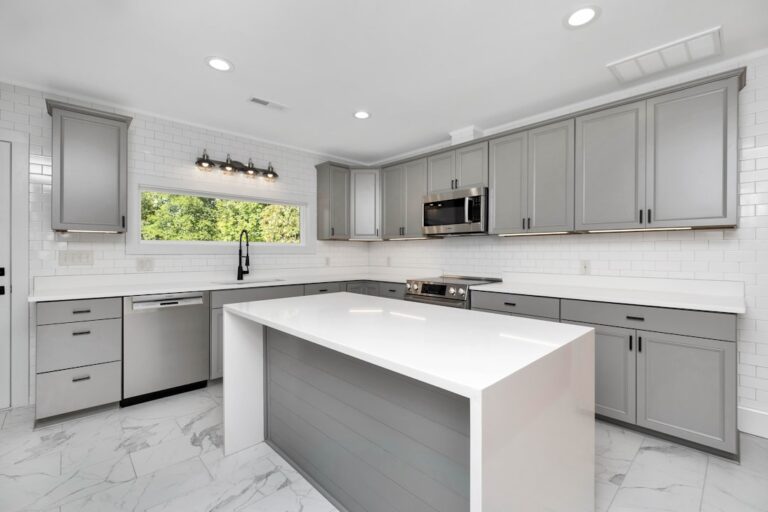
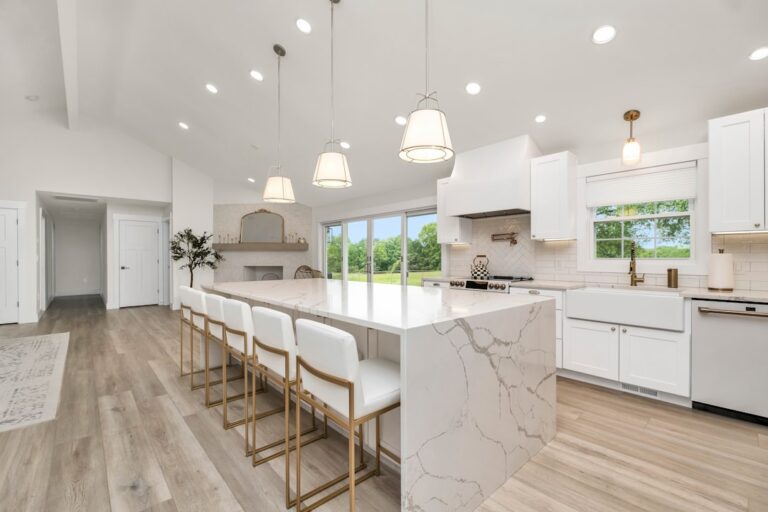
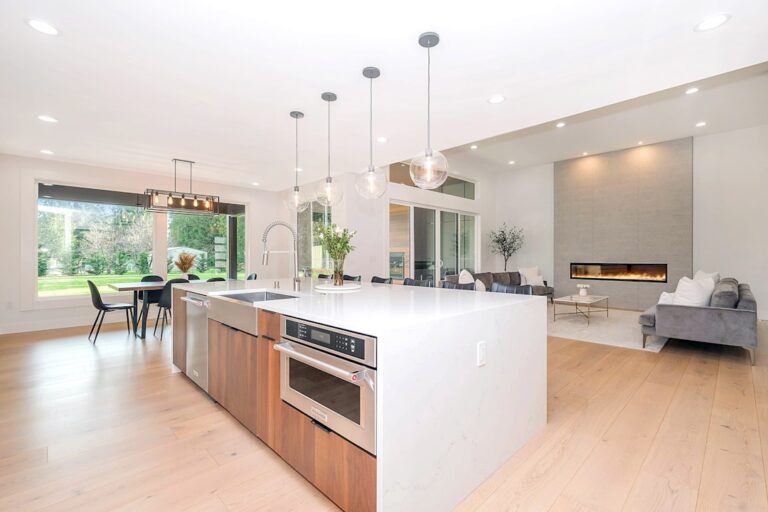
Engineered quartz is the most popular choice in new kitchens for good reason: it is a dense, non-porous surface made from ground natural quartz bound in resin, so it resists stains and scratches and — unlike granite or marble — never needs sealing. It comes in consistent, predictable patterns, including convincing marble-look designs like Calacatta and textured leathered finishes. The one real weakness is heat: quartz resin can scorch, so always use a trivet. Expect to pay roughly $50 to $120 per square foot installed — our quartz cost breakdown has the current numbers.
Granite countertops
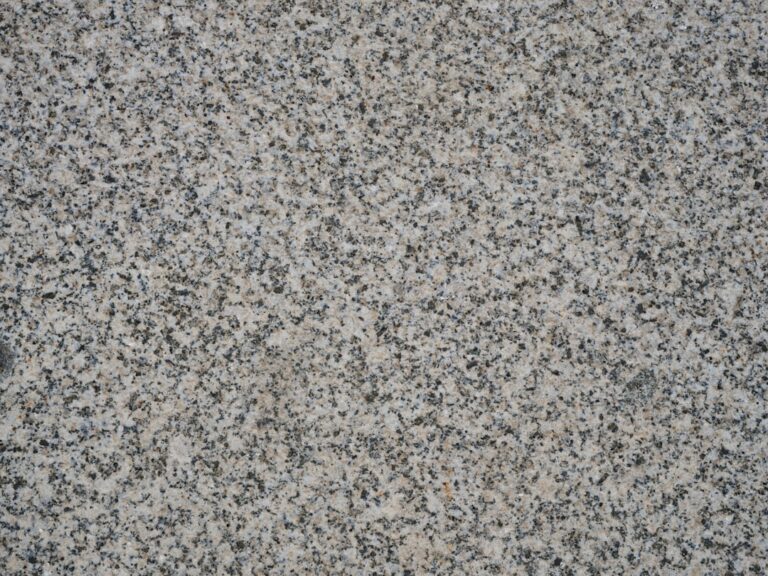
Granite is natural stone quarried in slabs, and no two are identical — that one-of-a-kind character is exactly why many homeowners still prefer it. It is extremely hard, heat-proof (you can set a hot pan on it), and with periodic sealing it stands up to a busy kitchen for decades. The tradeoffs: it is porous, so it needs resealing every year or two, and darker or busier stones hide seams better than light ones. Browse the range in our granite color chart, see the stones that mimic marble without the fragility, and keep it hygienic with our guide on disinfecting granite without damaging the seal.
Marble & natural stone
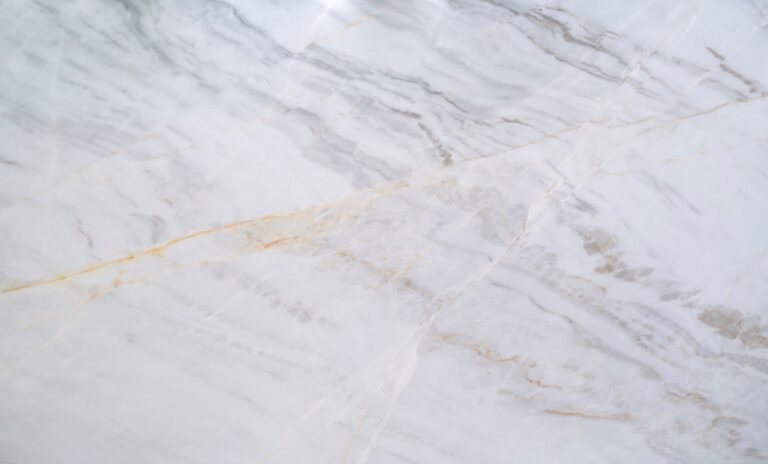
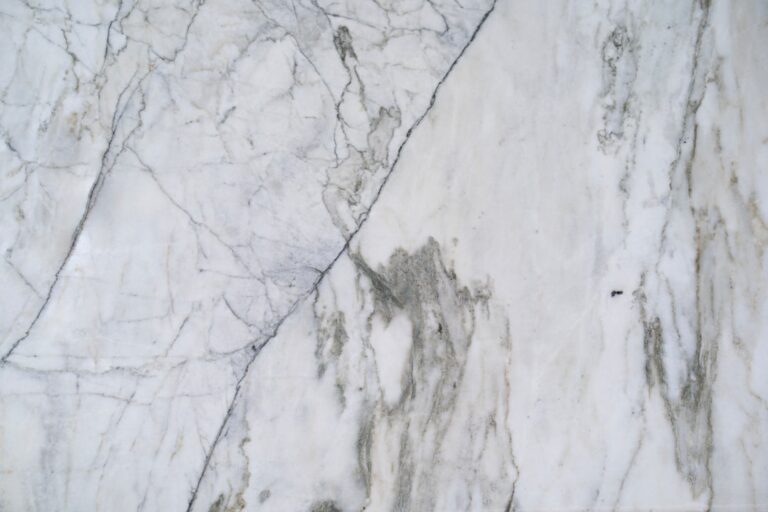
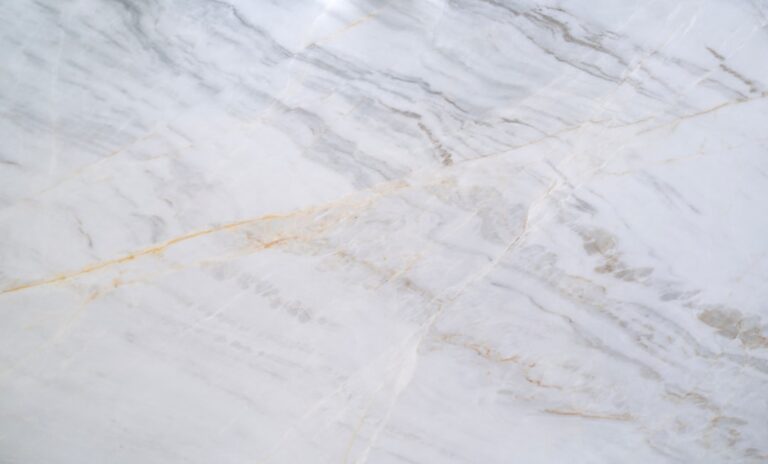
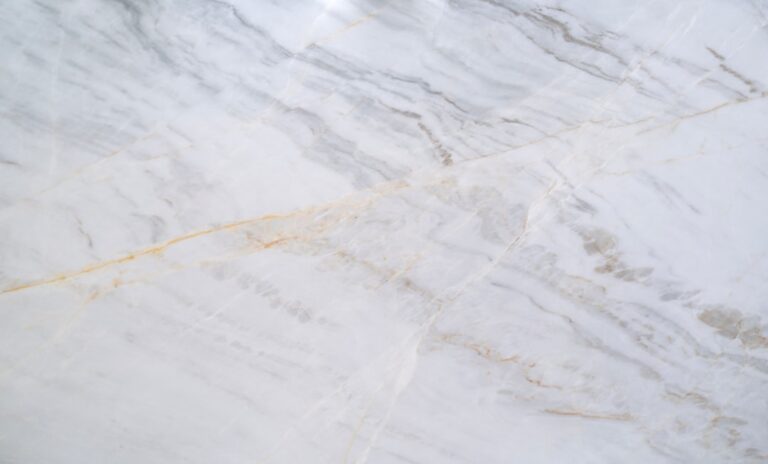
Marble is the classic choice for a reason — nothing matches the depth and veining of a real marble slab. But it is soft and porous: it etches from acids (lemon, wine, vinegar) and stains more easily than granite or quartz, so it rewards owners who accept a lived-in patina. It shines in low-traffic spots, baths and baking stations. If you go this route, learn how to get stains out of marble before they set, and if you are using marble in a bathroom, our marble threshold guide covers the trim details. Quartzite is worth a look too — it looks like marble but is far harder and more forgiving.
Butcher block, laminate & other materials
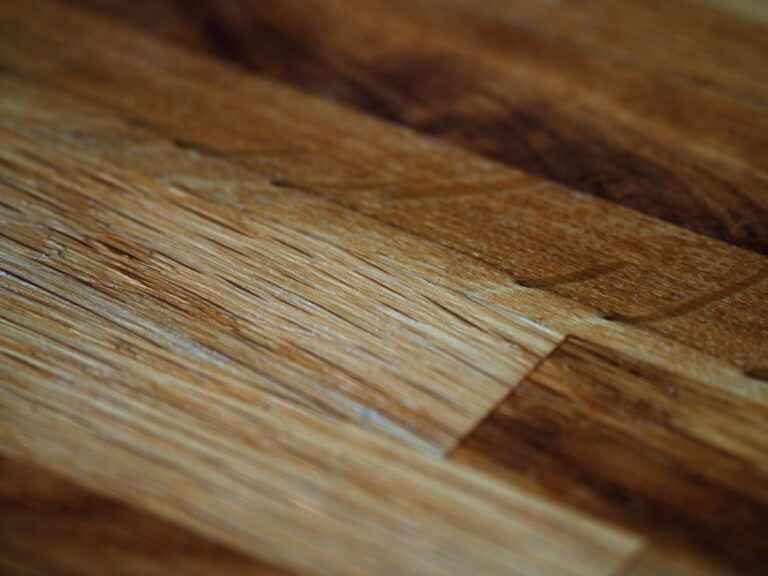
Beyond the big three, several materials earn their place. Butcher block is warm, affordable and repairable by sanding, though it needs oiling and is not ideal next to a sink. Modern compact laminate is thin, tough and a fraction of stone’s price — a huge step up from the laminate of decades past. Cork is a sustainable sleeper pick, and solid surface (Corian) offers seamless, renewable surfaces; see our Corian vs. quartz comparison to weigh them.
What countertops cost
Countertops are priced per square foot installed, and the number bundles the slab, fabrication (cutting, edging, sink cutouts) and installation. The ranges below are typical 2026 U.S. figures; our full countertop price-per-square-foot guide and fabrication cost breakdown show what drives the total.
| Material | Installed / sq ft | Notes |
|---|---|---|
| Laminate | $10–$40 | Cheapest; modern looks are much improved |
| Butcher block | $40–$100 | Warm, DIY-friendly, needs oiling |
| Granite | $40–$100 | Natural, heat-proof, needs sealing |
| Quartz | $50–$120 | Low-maintenance, no sealing |
| Solid surface (Corian) | $40–$80 | Seamless, renewable, repairable |
| Marble / quartzite | $60–$150 | Premium look; marble etches, quartzite harder |
A typical kitchen has 30 to 50 square feet of counter, so a quartz job commonly lands between $2,000 and $5,000. The fastest way to save is a simpler edge profile and fewer seams; the fastest way to overspend is an exotic slab with lots of cutouts.
Edges, colors & finishes
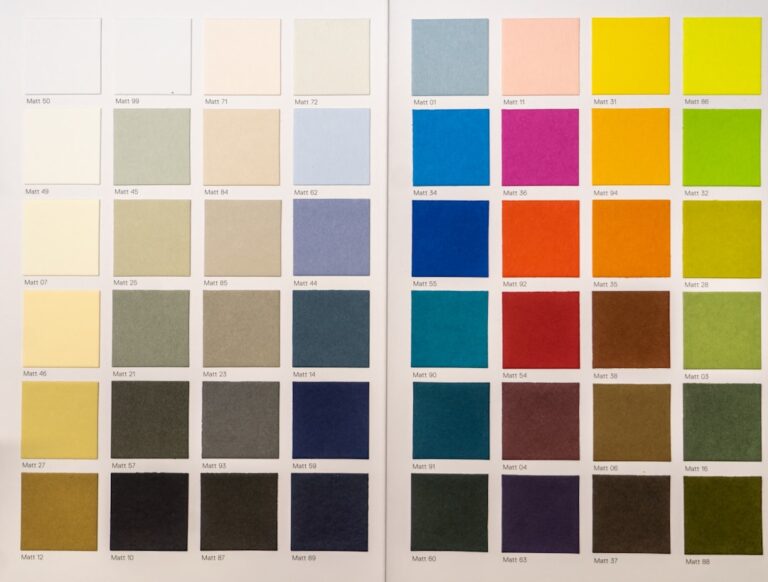
The edge profile is a small detail that changes the whole feel of a counter. A simple eased or straight edge reads modern and costs the least; an ogee (OG) edge reads traditional and adds fabrication cost. Matching trim and transitions matter too — our countertop trim and moulding guide covers the finishing touches. On color, lighter surfaces make a small kitchen feel bigger but show crumbs; darker stones hide everyday use but need good lighting.
Care & installation
Care depends entirely on the material, and matching your cleaning habits to the surface is what keeps it looking new. Quartz and solid surface just need soap and water — skip abrasive pads and harsh solvents that dull the resin. Granite and marble want pH-neutral stone cleaner, not vinegar or citrus, plus resealing when a drop of water stops beading on the surface (test it every few months). Butcher block needs food-safe mineral oil every few weeks at first, then occasionally, and stains sand right out. Across all of them, the golden rules are simple: use a cutting board so you don’t dull knives or scratch the finish, and use a trivet, since even “heat-proof” granite can crack from thermal shock and quartz resin will scorch.
Installation is a job for pros on any stone product — slabs are heavy, brittle until seated, and template-cut to your exact cabinets after the base is set and level. A good fabricator will template with a laser, dry-fit the pieces, and epoxy seams so they nearly disappear. Laminate and butcher block, by contrast, are genuinely DIY-able if you take your time; follow a guide like our Formica installation walkthrough and measure twice before every cut.
Countertop FAQ
What is the best low-maintenance countertop?
Quartz. It is non-porous, so it resists stains and bacteria and never needs sealing — just clean it with soap and water. The only caution is heat, so use a trivet.
How much do countertops cost?
Installed prices typically run $10–$40/sq ft for laminate, $40–$100 for granite, $50–$120 for quartz, and $60–$150 for marble or quartzite. A typical quartz kitchen lands around $2,000–$5,000. See our cost guide.
Granite or quartz — which is better?
Quartz is lower maintenance (no sealing) and more uniform; granite is natural, heat-proof, and one-of-a-kind but needs periodic sealing. Both are excellent; the choice is upkeep vs. natural character. Our materials comparison lays it out.
Do quartz countertops need sealing?
No. Quartz is engineered and non-porous, so unlike granite and marble it never needs sealing. Here’s why.
Browse all our countertops guides
Quartz Countertops


Granite Countertops



Marble & Natural Stone

Cost & Pricing

Planning your project?


