Where two different floors meet, such as tile giving way to hardwood or carpet, you need a clean, durable strip to bridge the gap. A marble transition threshold, also called a marble saddle, does exactly that while adding a touch of natural stone elegance. Commonly seen in bathroom doorways and between rooms, these slim marble strips handle height differences, protect flooring edges, and finish a space beautifully. This guide explains the types, sizes, and costs of marble thresholds, where to use them, and how to install one yourself.
Part of our Countertops guide — explore the full guide →
- What Is a Marble Transition Threshold?
- Common Types of Marble Thresholds
- Standard Sizes and Dimensions
- Where to Use a Marble Threshold
- How Much Does a Marble Threshold Cost?
- How to Install a Marble Transition Threshold
- Caring for Your Marble Threshold
- Marble Versus Other Threshold Materials
- Final Thoughts on Marble Transition Thresholds
What Is a Marble Transition Threshold?
A marble transition threshold is a narrow, flat piece of marble installed in a doorway or at the meeting point of two flooring surfaces. Its job is to create a smooth, finished transition between different floor types or heights, cover the exposed edges where flooring stops, and provide a durable, water-resistant divider, which is why it is especially common at bathroom entrances. The term saddle comes from its traditional shape, which can be beveled on one or both sides like a saddle to ease the step between floors.
Beyond function, marble adds a refined, high-end look. Its natural veining and polished surface elevate an otherwise utilitarian detail, which is why builders often reach for marble thresholds even in homes without other marble features.
Common Types of Marble Thresholds
Marble thresholds come in a few standard profiles, each suited to a particular transition:
- Single bevel (Hollywood): Flat on top with one beveled edge, used where one floor sits higher than the other, with the bevel facing the lower side.
- Double bevel: Beveled on both long edges, ideal when floors on both sides are the same height or you want a symmetric look.
- Standard flat (square edge): A simple flat strip with squared edges, used for even transitions or under doors.
- Double Hollywood bevel: A deeper bevel on both sides for larger height differences.
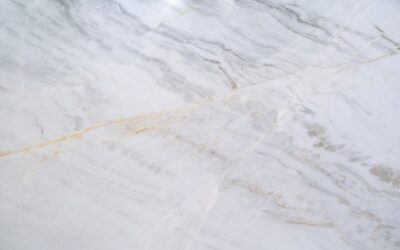
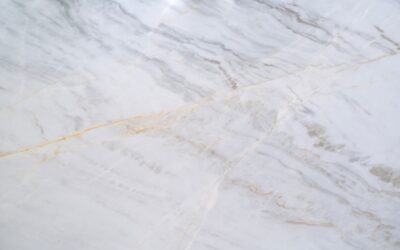
The most common color is white or off-white marble such as a classic white with soft gray veining, but thresholds also come in cream, beige, gray, and darker marbles to match your palette. Choosing the right bevel type depends mostly on the height difference between your two floors.
Standard Sizes and Dimensions
Marble thresholds come in fairly standardized dimensions, which makes shopping straightforward. Widths commonly run about 4 to 6 inches, with 4 inches and 5 inches being the most popular for doorways. Lengths typically range from 24 to 36 inches to span standard door openings, though longer pieces up to 72 inches are available for wider passages. Thickness is usually around three-quarters of an inch, though thinner and thicker options exist to match specific floor heights.
When choosing a size, measure your doorway width and the thickness of both adjoining floors. The threshold should be long enough to span the full opening and thick enough to sit flush or slightly proud of the higher floor without creating a trip hazard. If your opening is wider than a stock length, you can order a custom piece or, in some cases, seam two thresholds carefully.
Where to Use a Marble Threshold
Marble thresholds are versatile and appear throughout the home. The most common spot is a bathroom doorway, where the water-resistant marble separates bathroom tile from hallway flooring and helps contain moisture. They also work well between a tiled entryway and adjacent carpet or wood, at the transition from a kitchen tile floor to living room hardwood, and in shower curbs, where a marble threshold caps the low wall that keeps water in the shower.
Because marble resists water far better than wood transitions, it is the go-to choice for any doorway involving a wet room. Its durability also suits high-traffic thresholds that see constant foot traffic between rooms. Wherever two floors meet and you want a durable, elegant divider, a marble threshold fits the bill.
How Much Does a Marble Threshold Cost?
Marble thresholds are surprisingly affordable for a natural stone product. A standard stock threshold typically costs about 15 to 50 dollars per piece, depending on the size, marble type, and bevel profile. Premium marbles and longer or custom pieces cost more, while basic white marble in common sizes sits at the lower end. Because a single threshold covers most doorways, the material cost for a project is modest.
If you hire a professional to install it, add labor, though installation is simple enough that many homeowners do it themselves. Compared with the elegance and durability it adds, a marble threshold is one of the most cost-effective finishing details in a renovation, especially in bathrooms where its water resistance earns its keep.
How to Install a Marble Transition Threshold
Installing a marble threshold is a manageable DIY task with basic tools. Here is the general process:
- Measure and cut: Measure the opening and cut the threshold to length with a wet saw fitted with a diamond blade, since marble must be cut wet to avoid chipping.
- Dry fit: Set the threshold in place to confirm the fit, height, and bevel orientation before applying adhesive.
- Prepare the surface: Clean the subfloor or substrate so it is free of dust and debris for a strong bond.
- Apply thinset or adhesive: Spread a thin layer of thinset mortar or a quality construction adhesive under the threshold location.
- Set and level: Press the threshold into place, ensuring it is level and sits at the correct height, with the bevel facing the lower floor if applicable.
- Caulk the edges: Once set, apply a color-matched silicone caulk along both edges, especially in bathrooms, to seal against water.
Let the adhesive cure fully before heavy traffic. Sealing the marble with a stone sealer after installation, and periodically thereafter, helps protect it from stains and moisture, particularly in wet areas.
Caring for Your Marble Threshold
Marble is durable but does require some care to stay looking its best. Seal the threshold with a penetrating stone sealer after installation and reseal periodically, since marble is porous and can absorb stains. Clean it with a pH-neutral stone cleaner or mild soap and water, avoiding acidic cleaners like vinegar and lemon that can etch the surface. Wipe up spills promptly, especially in kitchens where acidic foods can dull the polish. With basic sealing and gentle cleaning, a marble threshold stays elegant and functional for decades.
Marble Versus Other Threshold Materials
Marble is a favorite for transition thresholds, but it is worth knowing how it compares to the alternatives so you can choose confidently. Metal transition strips, made of aluminum or brass, are durable, low-profile, and inexpensive, but they read as utilitarian and lack the elegance of stone, making them better suited to modern or budget-focused installations. Wood thresholds match hardwood flooring beautifully and feel warm, but they are vulnerable to moisture and are a poor choice in bathrooms and other wet areas where marble excels.
Other natural stones like granite and travertine also make excellent thresholds. Granite is harder and more stain-resistant than marble, so it is a great option where durability is the top priority, while travertine offers a warm, earthy look that suits Mediterranean and rustic styles. Marble sits at the sweet spot of elegance, water resistance, and reasonable cost, which is why it remains the classic choice for bathroom doorways and shower curbs. If you want the most refined, timeless look and need water resistance, marble is hard to beat; if pure toughness or a specific color match is your goal, granite or a metal strip may serve better. Weighing these options against your room’s needs ensures your threshold both looks right and holds up where it is installed.
Final Thoughts on Marble Transition Thresholds
A marble transition threshold is a small detail that delivers big value, bridging different floors cleanly, protecting exposed edges, resisting moisture in bathrooms, and adding a note of natural stone elegance to any doorway. Choose the bevel profile that matches your floor heights, pick a size that spans the opening, and install it with thinset and a good caulk seal. At a modest cost and with straightforward installation, a marble saddle is one of the easiest ways to give your floors a polished, professional finish while solving the practical problem of joining two surfaces smoothly.