The air fluff setting on most dryers uses zero heat and roughly 80 percent less energy than a standard cycle, yet 60 percent of dryer owners have never used it because the labeling is unclear and the manual gets thrown out with the box. Air fluff on dryer appliances is the no-heat tumble setting designed for items that cannot tolerate heat, items that are already dry but need de-wrinkling, or items being conditioned with dryer sheets. Understanding what it does well, and what it does not, saves you laundry mistakes and energy costs.
- What the Air Fluff Setting Actually Does
- When Air Fluff Is the Right Choice
- When Not to Use Air Fluff
- Best Brand-Specific Air Fluff Settings
- How to Refresh Clean Clothes Without Heat
- Drying Sneakers Without Damage
- Energy Savings vs Hang-Drying
- Pet Hair Removal Cycle
- Maintenance to Keep Air Fluff Effective
- Cycle Combinations That Work
- Summary
What the Air Fluff Setting Actually Does
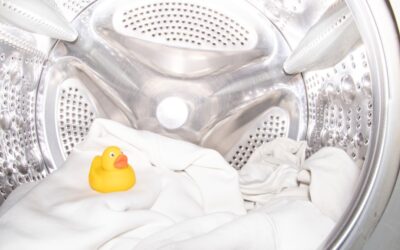
Air fluff (also labeled “Air Only,” “No Heat,” “Fluff Cycle,” or “Refresh” depending on brand) tumbles your load with room-temperature air. The heating element does not engage. The drum turns at standard speed, and the airflow pulls dust, pet hair, and loose lint through the filter.
Cycle duration is usually 15 to 60 minutes, selectable in 10-minute increments on most models. Energy consumption is roughly 0.15 kWh per cycle, costing $0.02 to $0.05 depending on your electric rate.
When Air Fluff Is the Right Choice
- Pillows and stuffed animals: Restores loft without melting synthetic fill
- Down jackets and comforters: Add 3 clean tennis balls to redistribute clumped down
- Memory foam pet beds: Tumble dry on air to revive without breaking down foam
- Heat-sensitive synthetics (rayon, viscose): Prevents shrinkage
- Shoes and sneakers: 30 minutes of tumbling dries laces and removes moisture
- Lampshades: Removes dust without heat damage to the silk or paper
- Curtains between washings: 20 minutes refreshes and removes dust mites
When Not to Use Air Fluff
Air fluff will not dry soaking wet laundry. The cycle has no heat to evaporate water, so a wet towel emerges damp 90 minutes later. Use the timed-dry or auto-sensor settings with heat for actual drying.
Avoid air fluff for wool items unless the garment care label specifically says tumble dry. The mechanical action without heat still causes felting in 100 percent wool over repeated cycles.
Best Brand-Specific Air Fluff Settings
Whirlpool dryers (model WED5050LW, MSRP $749) label this “Air Fluff” with a 15-, 30-, 45-, and 60-minute dial selection. LG dryers (model DLEX4000W, $999) label it “Air Dry” and let you set custom durations.
Samsung dryers (model DVE45T6000W, $749) call it “Air Fluff” but the cycle only runs in 15-minute fixed increments. GE dryers (model GTD42EASJWW, $599) use “Damp Alert” with no-heat as a secondary setting accessed through the dial.
How to Refresh Clean Clothes Without Heat
Wrinkled but clean clothes pulled out of a closet can be refreshed in the dryer on air fluff for 10 to 15 minutes with a damp washcloth tossed in. The mild moisture and tumbling action relaxes wrinkles without the heat that can fade colors.
For more aggressive de-wrinkling, add a Bounce dryer sheet or 6 drops of essential oil on a clean wool dryer ball ($14 set of 4 at Target). This works on cotton, linen, and most synthetics.
Drying Sneakers Without Damage
Tie the laces together and drape them over the dryer door so the shoes hang inside the drum without tumbling. Close the door on the laces. Run air fluff for 30 minutes. The shoes will dry without the impact damage that tumbling causes.
Alternative: dryer rack accessory ($14 to $29 for most brands). This holds shoes stationary while air circulates. Works for hand-washed sweaters too.
Energy Savings vs Hang-Drying
A 45-minute heated dryer cycle uses roughly 3.3 kWh, costing $0.40 to $0.55 depending on electric rate. An air-fluff cycle uses 0.15 kWh, $0.02 to $0.05. Across 300 loads per year (about 6 per week), choosing air fluff over heated drying when appropriate saves $115 to $150 yearly.
Hang-drying still beats both. A clothesline or drying rack costs $0 per load. The reality for most households is a mix: heated drying for towels and jeans, air fluff for delicates, hang-dry for wool and silk.
Pet Hair Removal Cycle
Run dry clothes through a 10-minute air fluff cycle with a Bounce Pet Hair and Lint dryer sheet ($6 for 80 sheets). The static reduction releases pet hair from fabric, and the airflow pulls it through the lint screen.
This works better than a lint roller for items already in the laundry pile and saves the $5 to $9 per month homes with shedding pets typically spend on lint rollers.
Maintenance to Keep Air Fluff Effective
Clean the lint screen after every load. A clogged screen reduces airflow and the air-fluff cycle becomes ineffective. Vacuum the screen housing every 6 months using a crevice attachment.
Inspect the dryer vent annually. Lint buildup in the duct causes longer cycle times and creates fire hazard. The Gardus LintEater Rotary Dryer Vent Cleaning System ($39) is the homeowner standard for vent cleaning.
Cycle Combinations That Work
Run a 30-minute heated dry first, then 15 minutes of air fluff. The cool tumble reduces wrinkles and lets the load settle before you fold. This is the closest thing to wrinkle-free out of a home dryer.
For delicates, start with 10 minutes of low heat, then 20 minutes of air fluff. The brief warming releases wrinkles, then the no-heat tumble finishes drying without overexposure.
Summary
Air fluff on dryer settings is a no-heat, low-energy cycle perfect for refreshing clean items, fluffing pillows and pet beds, drying shoes, and finishing delicates. It costs roughly $0.03 per cycle, runs 15 to 60 minutes, and saves wear on heat-sensitive fabrics. Most homeowners can shift 20 to 30 percent of their drying habit to this setting and notice no decrease in laundry quality, while saving roughly $130 per year on electricity. Read your dryer manual to confirm exactly how your model labels and operates this cycle.