Falls on slippery floors send more than 8 million people to US emergency rooms every year, and bathrooms and kitchens are the most common scenes of the accident. That is exactly the problem anti slip vinyl flooring is built to solve. Rather than relying on a glossy coat that turns treacherous the moment it gets wet, these floors use textured surfaces, mineral grit, and engineered finishes to keep your feet planted. At D and G Flooring, we recommend slip-resistant vinyl constantly for bathrooms, laundry rooms, mudrooms, and homes with aging parents or young kids. This guide explains how it works and how to buy it well.
What Makes Vinyl “Anti Slip”
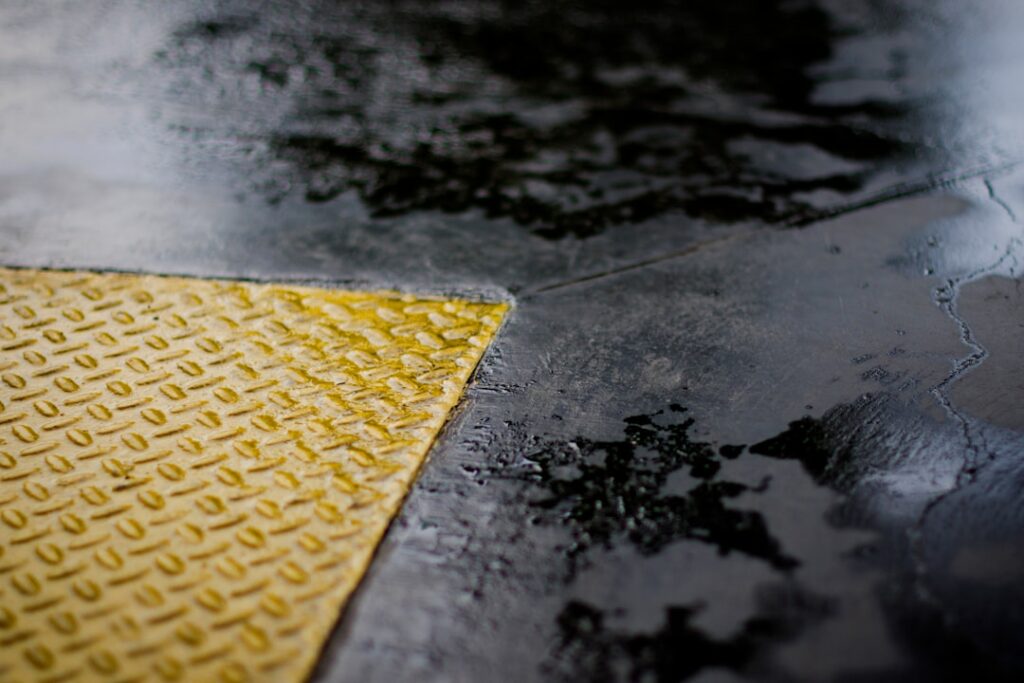
Standard luxury vinyl is already fairly grippy compared with polished tile or hardwood, but anti slip products go further in three ways. Some embed fine carborundum or aluminum oxide grit into the wear layer, creating microscopic friction points. Others use a deep embossed texture that channels water away from the contact area, much like the tread on a tire. A third group applies a specialized matte topcoat engineered to maintain traction when wet.
The key is that the slip resistance is built into the material, not sprayed on afterward. A surface treatment can wear off in a year; an integral texture or grit lasts the life of the floor. When you shop, ask whether the anti slip property comes from the wear layer itself or a temporary coating.
Understanding Slip Ratings
You cannot judge traction by eye, so the industry uses measured ratings. Two systems matter most to US buyers. The R rating, common on European and commercial products, runs from R9 (lowest grip) to R13 (highest) based on a ramp test. For a home wet area, R10 or R11 is usually the sweet spot. The other measure is the coefficient of friction, or COF. Many US specifications cite a dynamic COF, and a wet reading of 0.42 or higher is widely treated as the threshold for high traction under accessibility guidelines.
- R9: minimal slip resistance, fine for dry living areas only.
- R10: good general traction for kitchens and entryways.
- R11: strong grip suited to bathrooms and laundry rooms.
- R12 to R13: heavy-duty, often reserved for commercial kitchens and pool decks.
The Pros
Safety is the obvious headline, but anti slip vinyl carries the broader benefits of vinyl flooring too. It is genuinely waterproof, so it handles splashes, mopping, and the occasional overflowing tub without buckling. It is warmer and quieter underfoot than ceramic tile, and it is far more forgiving if you drop a glass.
- Waterproof core. Most products use a rigid SPC or flexible PVC core that shrugs off moisture.
- Low maintenance. No grout lines to scrub, and the surface cleans with a damp mop.
- Comfort. Softer and warmer than tile or stone, which matters on bare feet.
- Budget friendly. Costs a fraction of natural stone with comparable durability.
- DIY potential. Many click-together planks install without adhesive.
The Cons
Honesty matters here. The same texture that grips your feet also grips dirt. Anti slip vinyl, especially the gritty kind, takes more effort to clean than a smooth floor because grime settles into the texture. Plan on a stiff-bristle brush for periodic deep cleaning rather than a quick wipe.
Texture can also feel rough on bare feet or knees, which some homeowners dislike in a bathroom. Higher R ratings tend to mean a more aggressive surface. And while vinyl is durable, the very cheapest anti slip products can show wear in the texture over time, gradually losing some traction. Finally, like all vinyl, it is a petroleum-based plastic, so it is not the choice for shoppers seeking an all-natural material.
What It Costs
Anti slip vinyl spans a wide price band depending on construction and rating. As a general US market guide for materials:
- Basic sheet or peel-and-stick anti slip vinyl: about $1.50 to $3 per square foot.
- Mid-grade slip-resistant luxury vinyl plank or tile: about $3 to $6 per square foot.
- Premium commercial-grade safety vinyl with R11 or higher: about $6 to $10 per square foot.
Professional installation typically adds $2 to $5 per square foot. Sheet vinyl in a single seamless piece is ideal for wet rooms because it leaves almost no seams for water to penetrate, but it demands precise templating and is harder to install yourself than click planks.
Where to Use It
The strongest case is any room that gets wet. Bathrooms top the list, followed by laundry rooms, mudrooms, kitchens, and entryways where snow and rain track in. It is also a smart aging-in-place upgrade, since reducing slip risk is one of the most effective ways to keep an older adult safely independent at home. For a fully sealed wet room, sheet vinyl with coved edges that run a few inches up the wall creates a watertight tray that vinyl planks cannot match.
How to Choose the Right Product
Start by matching the rating to the room. Aim for R10 in kitchens and general traffic, and step up to R11 for bathrooms and laundry areas. Confirm the slip resistance is built into the wear layer, not a coating. Check the wear layer thickness, measured in mils; 12 mil suits light residential use, while 20 mil or more holds up to pets and heavy traffic. Verify the product is rated waterproof, not merely water-resistant, for any wet installation.
Also think about cleaning realistically. If a household member has mobility needs that make scrubbing hard, a moderate texture that balances grip and easy care beats the most aggressive R13 surface. Bring the room’s use case and your family’s needs to D and G Flooring, and you can weigh traction, comfort, and maintenance to land on the right anti slip vinyl flooring for your space.
Keeping the Grip Over Time
Maintenance preserves both the look and the safety of the floor. Sweep or vacuum often to keep grit from lodging in the texture. Damp-mop with a pH-neutral vinyl cleaner, and avoid waxes or oil soaps that can fill the texture and reduce traction. For embossed or gritty surfaces, run a soft scrub brush across the floor every few weeks. Done consistently, that routine keeps the slip resistance working exactly as designed for the full life of the floor.
Prefer to explore on your own?
See how new flooring looks in your actual room in seconds — free, no signup.
Try the free Floor Studio →