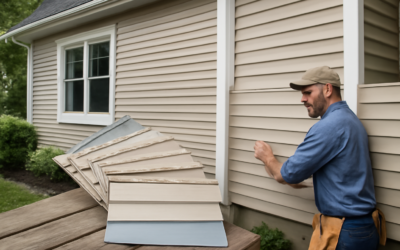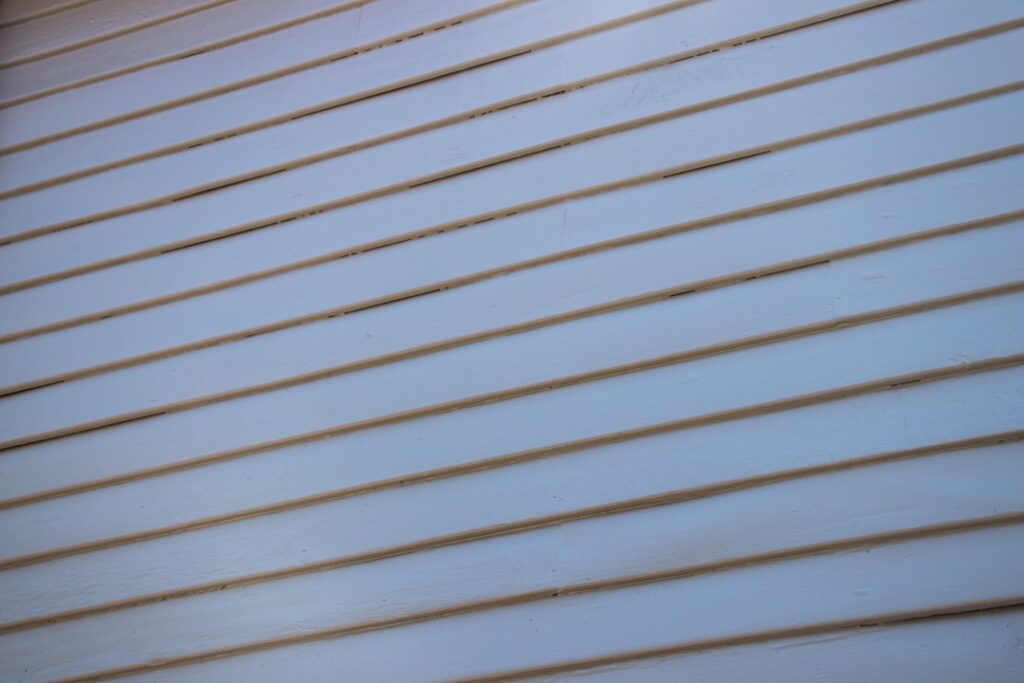
The cheap vinyl siding that gave the material a bad reputation, the thin, wavy panels that rattled in the wind and faded to a chalky pink, is not what is going on most homes today. Premium vinyl siding is a different product entirely, with thicker panels, deeper wood-grain texture, richer colors, and engineering that resists fading, warping, and impact far better than builder-grade. It still costs less than fiber cement, brick, or wood while delivering much of the look, which is why it remains the most popular siding in the country. Understanding what separates premium from budget siding helps you spend wisely and avoid the regret of cheaping out on the most visible surface of your home.
What Makes Siding Premium
The difference comes down to a few measurable things, and panel thickness is the headline. Builder-grade vinyl is often around 0.040 inch thick, while premium and thicker grades run 0.046 inch and up, with some reaching 0.052 inch or more. Thicker panels are more rigid, lie flatter against the wall, resist the wavy look, stand up to hail and ladder bumps, and feel more substantial. Premium lines also use higher-quality resins and color technology that resists fading from UV exposure, plus deeper, more realistic wood-grain embossing that reads less like plastic.
Many premium products are insulated, with a layer of rigid foam laminated to the back of the panel, which adds R-value, improves rigidity, and dampens noise.
Reading the Grades
Vinyl siding is loosely tiered by panel thickness and features, and knowing the rough ladder helps you compare quotes.
- Builder grade (around 0.040 inch) — The thinnest, cheapest option. Functional but prone to looking flat and showing waviness over time.
- Mid grade (around 0.044 to 0.046 inch) — A noticeable step up in rigidity and appearance, a reasonable value choice.
- Premium grade (0.046 to 0.052 inch and up) — Thick, rigid, fade-resistant panels with realistic texture and longer warranties.
- Insulated premium — Premium panels backed with foam for added energy efficiency, impact resistance, and a flatter look.
Styles and Profiles
Premium lines come in a wide range of profiles that can mimic many traditional looks. Horizontal lap siding in clapboard and Dutch lap remains the most common, but premium catalogs also include board-and-batten for a modern farmhouse look, shake and shingle styles for accents and gables, and vertical panels. Color options run far deeper than the pale tones of old vinyl, including rich, dark, and saturated shades made possible by improved fade-resistant pigments. Mixing profiles, such as lap siding on the main walls and shake accents in the gables, is a popular way to add architectural interest without the cost of natural materials.
Why Homeowners Choose It
The appeal is a strong balance of value, looks, and low maintenance. Vinyl never needs painting, staining, or sealing the way wood does; it is cleaned with a hose and occasional wash. It does not rot, attract termites, or require caulking the way some materials do. Premium grades add curb appeal that holds up over time and strong manufacturer warranties, often lifetime or limited lifetime coverage including fade protection on top lines. For homeowners who want their house to look great for decades without a maintenance routine, premium vinyl hits a sweet spot that few other materials match.
What It Costs
Installed pricing varies by grade, home size, and labor market, but the ranges are reasonably predictable. Standard vinyl siding installed often runs roughly $4 to $8 per square foot, while premium and insulated grades commonly run $7 to $12 per square foot or more installed. For a typical 1,500-square-foot exterior, total projects frequently land in the range of $8,000 to $20,000 depending on grade and complexity. Trim work around windows and doors, soffit and fascia, removal of old siding, and home height and accessibility all push the number around. Premium siding costs more upfront than builder grade, but the better appearance, durability, and warranty often justify the difference, especially since you are buying something that will stay on the house for 30 to 40 years.
Installation and Long-Term Care
Siding installation is generally a job for professionals, because vinyl must be hung in a specific way to perform. Panels need to hang loosely and float so they can expand and contract with temperature swings; nailing them too tight is the classic mistake that causes buckling and warping. A proper job also includes good house wrap and flashing to manage moisture behind the panels. For these reasons, most homeowners hire experienced installers and confirm the work follows the manufacturer’s instructions so the warranty stays valid.
Care, by contrast, is minimal. Wash the siding once or twice a year with a soft brush and a mild detergent solution to remove dirt, pollen, and any mildew, rinsing from the bottom up and then top down. Avoid pressure washing on too high a setting, which can drive water behind the panels. Keep barbecue grills and other heat sources away from the siding, since intense heat can warp vinyl. Trim back shrubs so air circulates and the surface dries. With that light routine, premium vinyl siding keeps your home looking sharp and protected for decades, delivering durable curb appeal at a price that is hard to beat.
Premium Vinyl Versus Fiber Cement and Wood
Homeowners shopping for siding usually weigh vinyl against fiber cement and real wood, and each has a clear profile. Premium vinyl is the lowest maintenance and one of the most affordable, never needing paint and shrugging off rot and insects, though it can warp under extreme heat and some buyers want a more substantial feel. Fiber cement is heavier, more impact and fire resistant, and holds paint well for a very solid look, but it costs more, is far harder to install, and eventually needs repainting. Real wood offers unmatched natural beauty and can be refinished, yet it demands regular painting or staining, is vulnerable to rot and pests, and carries the highest lifetime upkeep. For most homeowners who want great looks with minimal ongoing work and cost, premium insulated vinyl hits the most practical balance of the three.
What to Look for When Shopping
A few specifics separate a smart purchase from a regret. Check the panel thickness first, since it is the clearest marker of quality; aim for premium grades around 0.046 inch and up. Read the warranty carefully, paying attention to whether fade protection is included and whether the coverage is transferable to a future owner, which helps at resale. Ask whether the product is insulated and what R-value it adds if energy efficiency matters to you. Look at full-size samples outdoors in natural light rather than small chips, because color and texture read differently at scale. Verify the installer is experienced with the specific product and will follow the manufacturer’s instructions, since improper nailing voids most warranties and causes buckling. Finally, gather multiple itemized quotes that spell out the siding grade, trim, soffit and fascia, tear-off, and labor separately. A little diligence ensures the premium siding you pay for actually performs and looks the part for the 30 to 40 years it should last.