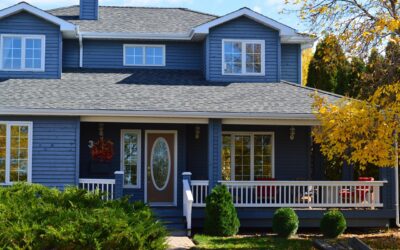
Homeowners love the warm, natural look of wood siding but dread the scraping, painting, and rot that come with it. Wood vinyl siding solves that dilemma by delivering the appearance of real wood grain, cedar shakes, or clapboard in a durable, low-maintenance vinyl or engineered material that never needs painting and won’t rot, split, or feed insects. Modern manufacturing has come a long way from the flat, plasticky vinyl of decades past, and today’s wood-look products can fool the eye from the curb while sparing you the endless upkeep of genuine timber.
- What "Wood Vinyl Siding" Actually Means
- Why Homeowners Choose It Over Real Wood
- Style and Profile Options
- Durability and Climate Performance
- What It Costs
- Insulated vs. Standard Vinyl
- Installation Considerations
- Maintenance and Longevity
- Wood-Look Vinyl Versus Fiber Cement
- Repairs and Dealing With Damage
- Is It Right for Your Home?
What “Wood Vinyl Siding” Actually Means
The term covers a couple of related products. True vinyl siding is made from PVC, molded and embossed to mimic wood grain and profiles like Dutch lap, clapboard, and shake. It’s the most affordable and lowest-maintenance option. There’s also engineered wood siding, which blends real wood fibers with resins and waxes to give an even more authentic texture with better dent resistance, sold under names like LP SmartSide. Both aim for the same goal: the look of wood without wood’s maintenance burden.
The best modern vinyl products use deep, realistic wood-grain embossing and low-gloss finishes that avoid the shiny, artificial look of older vinyl. Some premium lines offer thicker panels and color-through pigmentation so scratches don’t show a different color underneath.
Why Homeowners Choose It Over Real Wood
The appeal comes down to a handful of practical advantages that add up over the life of a home:
- No painting: the color is built in, so you never scrape and repaint every 5 to 7 years like real wood
- Rot and insect proof: vinyl doesn’t absorb water or feed termites and carpenter ants
- Low maintenance: an occasional rinse with a hose keeps it clean
- Lower cost: both material and installation run cheaper than genuine wood
- Long warranties: many vinyl products carry limited lifetime or 25-to-40-year warranties
Over 20 years, the savings on paint, labor, and repairs make wood-look vinyl dramatically cheaper to own than real cedar or pine siding, which is the main reason it dominates the residential market.
Style and Profile Options
Wood-look vinyl comes in a range of profiles that echo traditional wood siding styles. Your choice sets the character of the home.
Clapboard and Dutch Lap
The classic horizontal lap looks, available in various widths from a narrow 4-inch reveal to a bold 7-inch. Dutch lap adds a decorative notch at the top of each board for extra shadow line and a more traditional feel.
Cedar Shake and Shingle
For a coastal or craftsman look, vinyl shake panels mimic hand-split cedar shingles, often used on gables and accent areas. They deliver texture without the splitting and graying of real cedar.
Board and Batten
Vertical board-and-batten vinyl gives the modern farmhouse look that’s hugely popular right now, with tall boards separated by raised battens.
Beaded Siding
A rounded bead along the bottom of each panel adds a refined, historic detail suited to colonial and traditional homes.
Durability and Climate Performance
Quality wood-look vinyl handles most climates well, but thickness and grade matter. Panel thickness ranges from about 0.040 inch for builder-grade up to 0.052 inch or more for premium, and thicker panels resist wind, warping, and impacts far better. Look for panels rated for high wind zones if you’re in a hurricane-prone or exposed area; some are rated to withstand winds of 150 to 200 mph when properly installed.
Vinyl can become brittle in extreme cold and can warp near intense heat sources like a grill or dark pavement reflecting sun, so factor your climate in. Engineered wood siding tends to handle impacts and temperature swings better than standard vinyl but requires proper sealing at cut edges and periodic attention to its finish.
What It Costs
Price is a major selling point. Here’s the general landscape for installed wood-look siding:
- Standard wood-look vinyl: $3 to $8 per square foot installed
- Premium insulated vinyl: $7 to $12 per square foot installed
- Engineered wood siding: $6 to $12 per square foot installed
- Real cedar for comparison: $8 to $16 per square foot installed, plus ongoing paint costs
For a typical 1,500-to-2,000-square-foot two-story home with around 2,000 square feet of siding, wood-look vinyl commonly runs $8,000 to $20,000 installed depending on grade and complexity. Insulated vinyl costs more upfront but adds an R-value boost that can trim energy bills.
Insulated vs. Standard Vinyl
One upgrade worth weighing is insulated (foam-backed) vinyl siding. A rigid foam layer is fused to the back of each panel, adding thermal resistance, making the siding more rigid and impact-resistant, and helping it lie flatter for a more authentic look. It costs more but improves energy efficiency and reduces the wavy appearance that plagues cheaper hollow-backed vinyl. In colder climates or on homes with minimal wall insulation, the energy payback and better looks often justify the premium.
Installation Considerations
Proper installation is what separates siding that lasts 40 years from siding that buckles in a few. Because vinyl expands and contracts with temperature, it must be hung loosely, nailed in the center of the slots and never driven tight, so the panels can move freely. Cutting corners here causes the wavy, buckled look everyone wants to avoid. A quality house wrap or weather-resistant barrier goes on first, and flashing details around windows and doors keep water out.
This is generally a job for experienced installers. A professional crew can side an average home in about a week. If you’re getting quotes, ask about the panel grade, the underlayment, and how they handle expansion, since those details predict long-term performance.
Maintenance and Longevity
The upkeep is refreshingly minimal. An annual rinse with a garden hose, or a gentle wash with mild soap and a soft brush for stubborn dirt or mildew, keeps wood-look vinyl looking fresh. Avoid pressure washing at high settings, which can force water behind panels. There’s no painting, sealing, or staining ever required. Well-installed quality vinyl siding routinely lasts 30 to 40 years, and many products carry transferable warranties that add resale appeal.
Wood-Look Vinyl Versus Fiber Cement
The main competitor to wood-look vinyl in the low-maintenance category is fiber cement, sold most famously as James Hardie board, so it’s worth understanding the trade-offs. Fiber cement is a denser, heavier material made of cement, sand, and cellulose fibers. It resists impacts, fire, and pests exceptionally well and holds paint beautifully, giving an extremely authentic wood look. The downsides are cost and labor: fiber cement runs $6 to $13 per square foot installed, it’s heavy and labor-intensive to hang, and unlike vinyl it usually needs repainting every 10 to 15 years unless you buy a pre-finished product.
Wood-look vinyl wins on price, weight, and true zero-repaint maintenance, making it the budget-friendly, lowest-effort choice. Fiber cement wins on durability, fire resistance, and the most convincing texture, at a higher cost. For many homeowners the decision comes down to budget and how much they value never painting again; vinyl is the easier, cheaper path, while fiber cement is the premium, longer-lasting one. Both dramatically outlast the paint-and-scrape cycle of real wood.
Repairs and Dealing With Damage
One practical advantage of vinyl is how simply damaged pieces can be swapped out. If a panel cracks from an impact or a stray baseball, a contractor can unzip the interlocking course above it with a special zip tool, unhook the damaged panel, and clip in a replacement, often in under an hour. Keeping a few spare panels from your original installation is smart, since exact colors can be discontinued over the years and a slightly faded match may show.
Vinyl’s main vulnerabilities are extreme cold, which can make it brittle and prone to cracking on impact, and concentrated heat, which can warp panels near a barbecue grill, a reflective window, or dark pavement. Keep grills a safe distance from the wall and address any reflected-sun hot spots to avoid warping. For minor scuffs and dirt, a gentle wash restores the look, and because the color runs through quality panels, small scratches don’t reveal a different shade underneath the way painted surfaces do.
Is It Right for Your Home?
Wood vinyl siding is the smart choice for homeowners who want the timeless charm of wood grain, shakes, or board-and-batten without the constant maintenance and higher long-term cost of real timber. Choose a thicker premium or insulated grade for the most authentic look and best durability, match the profile to your home’s style, and insist on proper expansion-friendly installation. Do that, and you’ll enjoy the warm appearance of wood siding with decades of low-maintenance, worry-free performance.