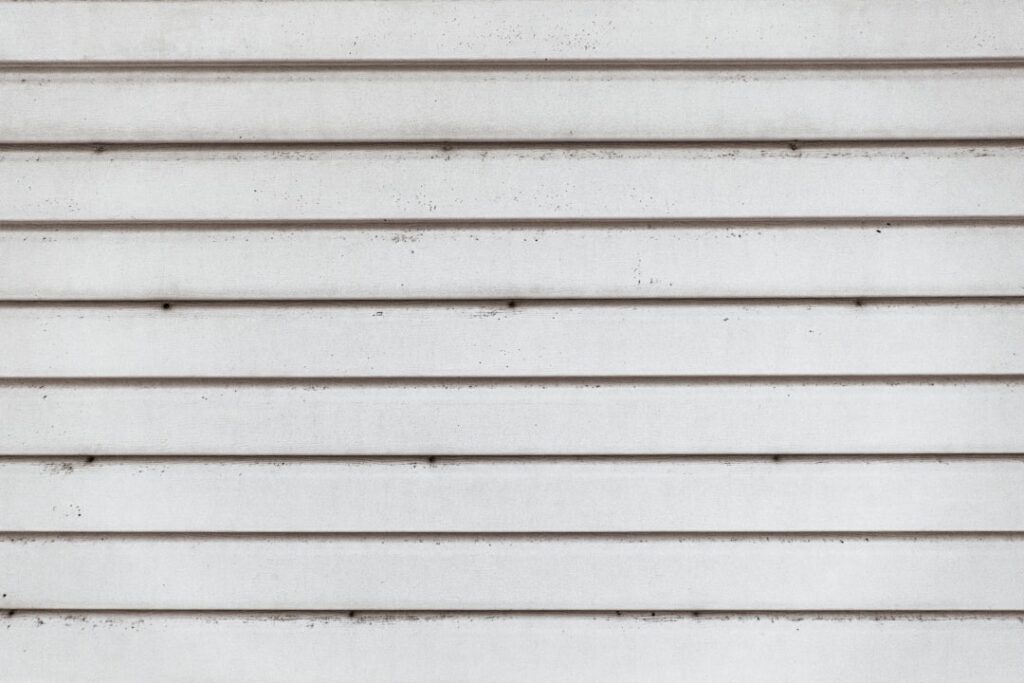
Siding catalogs assume you already speak the code, so here it is in plain terms: double 5 vinyl siding means each panel is molded to look like two courses of 5-inch lap boards — a 10-inch-tall panel face showing two horizontal lines. When a contractor quotes “D5 clapboard,” that’s double 5 vinyl siding in standard smooth or woodgrain lap, and the choice between it and its double 4 and dutch lap siblings changes the whole visual rhythm of a house plus a few percent of the budget. Here’s the profile decoded, the coverage math, and where D5 is the right call.
- Decoding the Numbers: D4, D5, T3, and Friends
- The Look: Why Course Width Changes a House
- Coverage Math: Squares, Panels, and Waste
- Double 5 vs Double 4.5 Dutch Lap
- What Double 5 Costs
- Thickness, Wind, and the Insulated Question
- Installation Notes Specific to D5
- Color and Texture Options in D5
- Should You Choose Double 5?
Decoding the Numbers: D4, D5, T3, and Friends
Vinyl profile shorthand is [courses per panel] x [exposure per course]:
- Double 4 (D4): two 4-inch courses; 8 inches of coverage per panel. The traditional, busier line pattern.
- Double 4.5 dutch lap (D4.5DL): two 4.5-inch courses with a decorative angled shadow notch at each course top; 9 inches coverage.
- Double 5 (D5): two 5-inch courses; 10 inches coverage. Also made in dutch lap.
- Triple 3 (T3): three 3-inch courses mimicking historic narrow clapboard; 9 inches coverage.
- Single 6/7 (S6, S7): one wide board per panel, common in insulated and premium lines.
Standard D5 panels run 12 to 12.5 feet long (premium lines offer 16- and 25-foot “extended length” panels that cut seams dramatically), in thicknesses from 0.040-inch builder grade to 0.046-0.048 premium. Every major maker — CertainTeed, Mastic/Ply Gem, Alside, Royal, Georgia-Pacific — produces D5 in dozens of colors, so availability is never the constraint.
The Look: Why Course Width Changes a House
Wider courses read calmer and more contemporary; narrower courses read busier and more traditional. On a typical 8-foot wall height, D4 stacks 12 visible lines, D5 stacks about 9.6 — a quarter fewer horizontal shadows. On large two-story walls, D5’s proportions sit better and make the house look broader and lower; on small cottages and historic bungalows, 5-inch boards can look oversized where T3 or D4 preserves period scale.
My rule of thumb from years of re-sides: ranches and two-stories with big uninterrupted walls take D5 well; cut-up Victorians, capes, and anything pre-1940 usually photographs better in D4 or triple 3. Drive your own neighborhood and identify which houses wear which — once you see course width, you can’t unsee it.
Coverage Math: Squares, Panels, and Waste
Siding sells by the “square” (100 square feet). A D5 panel at 10 inches of exposure by 12.5 feet covers 10.42 square feet, so figure roughly 10 panels per square; cartons typically hold about 2 squares. Working an example: a 1,800-square-foot two-story with 1,600 square feet of net wall area after subtracting openings needs 16 squares, plus 10 percent waste on a simple house or 15 percent on a gabled, dormered one — call it 18 squares, around 180 panels or 9 cartons.
Fewer courses also means measurably less labor and fewer seams: versus D4, a D5 wall installs about 20 percent fewer panels for the same area, and each course line you don’t hang is a course line nobody can misalign. Seam planning matters more with D5, though — the wider face makes lap joints slightly more visible, so quality crews stagger seams a minimum of two courses apart and orient laps away from the driveway approach. Extended-length 16-foot panels in D5 are the seam-killer upgrade, adding roughly 15 to 25 percent to material cost.
Double 5 vs Double 4.5 Dutch Lap
Dutch lap is the perennial rival, and the difference is pure profile geometry: dutch lap’s angled cove notch at the top of each course throws a crisp shadow line that reads more decorative and “colonial,” while straight-lap D5 reads flatter and more like true painted clapboard. Neither costs meaningfully more; both come from the same mills in the same colors. Choose by architecture and neighborhood: dutch lap dominates in the Midwest and mid-Atlantic suburbs; straight D4/D5 lap rules New England and anywhere aiming for a painted-wood impression. One practical note — dutch lap’s shadow groove collects grime streaks a bit faster on north walls; an annual hose rinse handles it.
What Double 5 Costs
2026 pricing lands like this:
- Builder-grade D5 (0.040-0.042 in): $95 to $150 per square, material only
- Premium D5 (0.044-0.048 in, better locks and fade warranty): $150 to $250 per square
- Insulated D5 (contoured EPS foam backer, R-2 to R-3): $250 to $400 per square
- Installed complete with trim, wrap, and labor: $4 to $8 per square foot standard; $6 to $11 insulated
Profile itself barely moves price — D5 typically runs within 5 percent of D4 per square, and its faster hang time can actually make installed quotes slightly cheaper. Trim accessories (starter, J-channel, corner posts, utility trim) add 10 to 20 percent to materials regardless of profile.
Thickness, Wind, and the Insulated Question
Panel thickness matters more in wide profiles: a 10-inch unsupported face oil-cans and flexes more than an 8-inch one, so on D5 I push clients toward 0.044-inch minimum, and toward insulated versions on wind-exposed sites — the bonded foam backer stiffens the panel dramatically, bumps wind ratings from the 110-160 mph range to 200-plus on premium lines, and mutes the hollow tap that cheap vinyl announces itself with. Insulated D5 also flattens wavy old walls on re-sides, since the foam bridges dips that thin panels would telegraph. Cold-climate bonus: that R-2 to R-3 of continuous foam meaningfully cuts stud thermal bridging.
Installation Notes Specific to D5
Everything standard vinyl practice applies — center-of-slot nailing, 1/32-inch nail standoff, 1/4-inch expansion gaps at trims, overlapped seams 1 to 1.25 inches. D5 additions worth flagging to your installer:
- Course alignment at corners is unforgiving; a 10-inch panel that lands misaligned around an outside corner is visible from the street, so start walls from a common level line, not independently.
- Layout the wall height first: 8-foot walls divide into D5’s 10-inch modules with a 4-inch ripped course at top — plan whether that sliver lands under the soffit (invisible) or above the foundation (visible).
- Wider faces catch more wind during handling; don’t hang D5 in gusts over 20 mph or panels crease.
Color and Texture Options in D5
Because D5 targets the mainstream replacement market, it gets manufacturers’ full palettes — CertainTeed’s Monogram line alone runs past 40 colors in D5, from classic whites and clays through the currently dominant deep grays, blues, and near-blacks. Dark colors carry a caveat unique to vinyl: heat. Darker panels absorb more solar energy, and only lines formulated with heat-resistant substrates (look for terms like CertaPlus darks or ASA capstock) safely wear the deepest shades on full-sun elevations; put a bargain-grade black D5 on a south wall and distortion can appear in two summers, outside warranty if the color wasn’t rated for it.
Texture is the quieter choice: low-gloss woodgrain embossing dominates and photographs convincingly, while smooth-finish D5 reads more like freshly painted board and shows dust less. Fade warranties are worth reading — premium lines warrant against fade beyond a stated Delta-E over decades, and that clause, not the lifetime headline, is what separates a $150 square from a $250 one.
Should You Choose Double 5?
Pick D5 when your walls are large, your taste runs clean and contemporary-traditional, and you want fewer seams and shadow lines per elevation — it’s arguably the best-proportioned mainstream profile for post-1980 American houses and the one I default to on ranches and big colonials. Step down to D4 or T3 on small-scale and historic architecture, sideways to dutch lap when you want more shadow decoration, and up to insulated D5 on windy sites or wavy walls. Whichever profile wins, buy 0.044-inch or thicker, insist on staggered seams, and keep two spare cartons in the garage — color lots drift, and the repair you’ll need in year twelve wants panels from your original run.