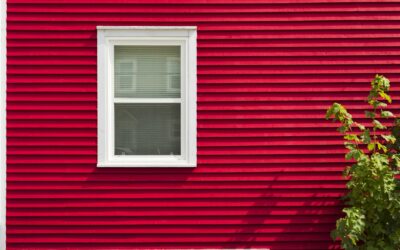
Vinyl siding covers more American homes than any other exterior cladding, and for good reason, it is affordable, low-maintenance, and comes in more styles than most homeowners realize. If you think vinyl means one flat plank look, the range of different types of vinyl siding will surprise you. From traditional horizontal lap to cedar-shake lookalikes and board-and-batten verticals, there is a profile for nearly every architectural style. This guide breaks down the main types so you can pick the right one for your home.
- How Vinyl Siding Is Classified
- Horizontal Lap Siding: The Classic
- Vertical Siding: Board and Batten
- Shake and Shingle Siding
- Insulated vs. Standard Vinyl
- Thickness and Grade
- Color, Texture, and Finish
- Cost Comparison by Type
- Choosing the Right Type for Your Home
- Maintenance and Longevity
- Mixing Profiles for Curb Appeal
- Frequently Asked Questions
How Vinyl Siding Is Classified
Vinyl siding is grouped a few different ways, by orientation (horizontal or vertical), by profile (the shape of the panels), by thickness or grade, and by whether it is insulated. Most homeowners start with the visual profile, since that determines the look, then consider thickness and insulation for performance.
Understanding these categories helps you compare products that might look similar in a showroom but perform very differently on the wall over 20 years.
Horizontal Lap Siding: The Classic
Horizontal lap is the most common style, mimicking traditional wood clapboard. Panels run horizontally and overlap slightly, and they come in a few sub-profiles:
- Traditional lap (clapboard): Each board has a slight bevel, giving a clean, even shadow line.
- Dutch lap: A decorative notch at the top of each board creates a deeper, more defined shadow, popular for a slightly more upscale, historic look.
- Beaded seam: A rounded bead along the bottom edge for a refined, colonial-style detail.
Panel exposure, the visible height of each board, typically runs 4 to 7 inches, with single, double, or triple panels sold as one piece for faster installation. Horizontal lap suits almost any home and is the safe default.
Vertical Siding: Board and Batten
Vertical vinyl siding runs up and down instead of across, and the most popular version is board-and-batten, which alternates wide panels with narrow raised strips (battens) to mimic a classic farmhouse look. This style has surged in popularity with the modern farmhouse trend.
Vertical siding is often used as an accent, on gables, dormers, or the lower portion of a facade, paired with horizontal lap on the main walls. It also sheds water well and gives a tall, dramatic appearance to an entryway or a two-story section.
Shake and Shingle Siding
For the rustic charm of cedar shakes without the maintenance, vinyl shake and shingle profiles replicate hand-split or perfectly cut wood shingles. These come in staggered-edge or straight-edge patterns and are frequently used as accents on gables, dormers, and craftsman-style facades.
Vinyl shakes deliver the texture and character of real wood shingles while resisting rot, insects, and the constant re-staining that real cedar demands. They cost more than standard lap siding but far less than genuine wood.
Insulated vs. Standard Vinyl
One of the biggest performance distinctions is whether the siding is insulated. Standard (hollow-back) vinyl is just the vinyl panel, while insulated vinyl has rigid foam backing permanently fused to the panel. The differences:
- Standard vinyl: Lower cost, adequate for many climates, but the hollow back can feel flimsy and dent more easily.
- Insulated vinyl: Adds an R-value for better energy efficiency, lies flatter and straighter against the wall, resists impact better, and dampens sound.
Insulated siding costs more upfront but can lower energy bills and looks more substantial. In cold or hot climates, the added R-value often justifies the price.
Thickness and Grade
Vinyl siding thickness ranges from about 0.040 inch on economy panels to 0.055 inch or more on premium products. Thickness matters for durability, rigidity, and resistance to warping and wind. Thicker panels hold up better against impacts and stay straighter on the wall over time.
For a home in a windy or storm-prone area, spend up for thicker, higher-grade siding rated for higher wind speeds. On a budget or a low-exposure wall, mid-grade thickness is a reasonable compromise. Very thin economy siding is best avoided for a home you plan to keep.
Color, Texture, and Finish
Modern vinyl comes in dozens of colors and several surface textures. Options include smooth finishes and realistic wood-grain embossing, and darker colors are now available thanks to fade-resistant formulations that once limited vinyl to pale shades. Color runs all the way through the panel, so scratches are far less visible than on painted surfaces.
Keep in mind that very dark colors absorb more heat and, on lower-grade products, can be more prone to warping. Premium lines are engineered to handle dark tones, so match the color ambition to the product grade.
Cost Comparison by Type
Vinyl remains one of the most affordable cladding options, but prices vary by type. As rough installed ranges:
- Standard horizontal lap: roughly $4 to $8 per square foot installed.
- Dutch lap and premium profiles: $5 to $9 per square foot.
- Shake and shingle: $6 to $11 per square foot.
- Insulated vinyl: $7 to $12 per square foot.
Actual costs depend on your region, home size, and how much trim and accent work is involved. Mixing an accent profile on gables adds cost but big visual impact.
Choosing the Right Type for Your Home
Match the siding to your home’s architecture and your climate. Horizontal lap suits nearly any style and is the versatile default. Board-and-batten and shake accents add character to farmhouse and craftsman homes. Choose insulated, thicker panels in harsh climates or for the best long-term durability, and standard panels where budget rules and exposure is mild.
With so many different types of vinyl siding available, you can get the exact look you want, wood clapboard, cedar shake, or farmhouse board-and-batten, without the maintenance headaches of real wood. Weigh profile, thickness, and insulation together, and you will land on siding that looks great and performs for decades.
Maintenance and Longevity
Part of vinyl’s appeal is how little upkeep it demands. Unlike wood, it never needs painting or staining, and it will not rot or feed insects. The main maintenance is an annual wash with a garden hose and a soft brush, or a gentle pressure wash, to remove dirt, pollen, and any mildew that forms on shaded north-facing walls. A mild detergent solution handles most grime.
Quality vinyl siding commonly lasts 20 to 40 years, with better grades and lighter colors at the longer end. The most common issues over time are cracking from impact in very cold weather and fading on sun-exposed walls, both of which higher-grade, fade-resistant products largely resist.
Mixing Profiles for Curb Appeal
Some of the most attractive homes combine two or three vinyl profiles rather than cladding everything in one. A classic pairing is horizontal lap on the main walls with shake or board-and-batten on the gables and dormers, which adds texture and breaks up large flat expanses. Board-and-batten on a two-story entry section draws the eye upward and adds architectural interest.
When mixing, keep the color consistent or use closely related tones so the different textures read as intentional design rather than a patchwork. Coordinated trim in a contrasting color ties the whole facade together. Vinyl trim and accessory pieces, corner posts, J-channel, soffit, and fascia, come in matching colors and are part of any complete job, so budget for them alongside the field siding. Well-executed trim is what makes a vinyl installation look finished rather than builder-basic.
Frequently Asked Questions
Which vinyl siding is most durable?
Thicker, higher-grade panels (0.046 inch and up) and insulated vinyl resist impact, warping, and wind best. Match the grade to your climate and exposure.
Is insulated siding worth the extra cost?
In hot or cold climates, often yes. The added R-value can lower energy bills, and the panels lie flatter and feel more solid than hollow-back vinyl.
Can I get dark-colored vinyl?
Yes. Modern fade-resistant formulas make darker colors viable, though choose a premium grade for dark tones since lower grades can warp from heat absorption.