
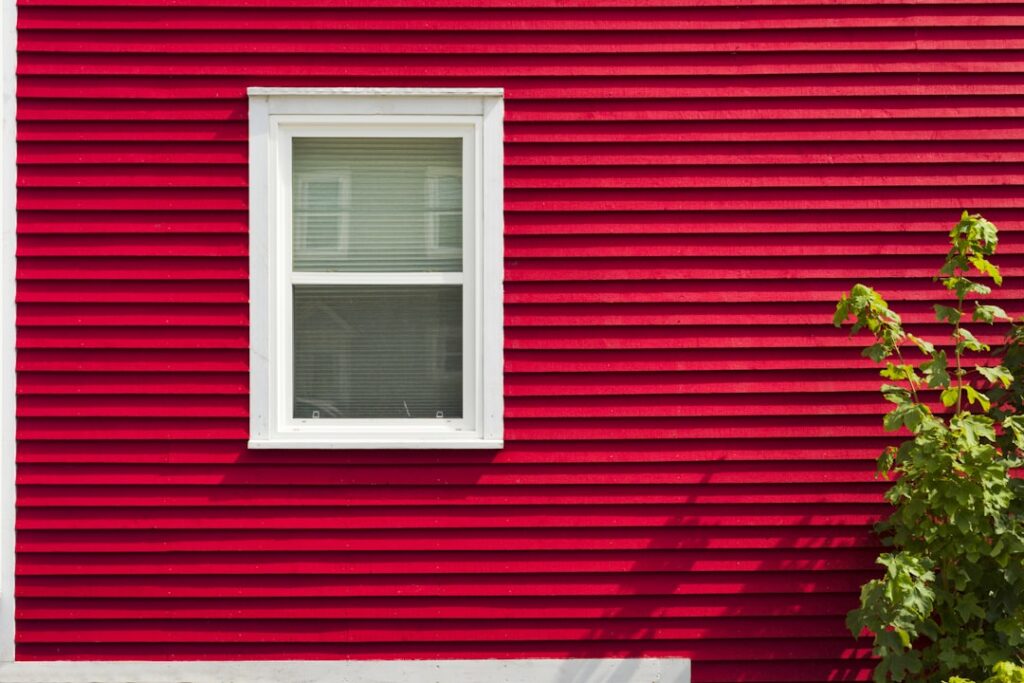
Vinyl is the most popular siding in the country, and once you start shopping you quickly learn it is not one product but a whole family. Understanding the vinyl siding types available, from the horizontal lap that wraps most houses to the shakes and scallops that dress up a gable, is the difference between a generic facade and a home that looks intentional. Profile, panel thickness, and finish all affect both the look and how the siding holds up to wind and sun. This guide breaks down the main styles, the quality grades, and how to match them to your house and budget.
Horizontal Lap Styles
Horizontal panels are what most people picture when they hear vinyl siding, and the profile name describes the shape of the overlap:
- Clapboard (traditional lap): Simple, slightly angled boards stacked horizontally. The most common and economical look, available in single, double, and triple-board panels.
- Dutch lap: A decorative groove cut into the top of each board casts a shadow line, giving a hand-carved, old-world appearance.
- Beaded: A rounded bead along the bottom edge of each panel adds a subtle, refined detail seen on traditional and colonial homes.
These profiles install quickly and suit nearly any architectural style. The visual difference comes down to the shadow line each one casts, with Dutch lap and beaded reading more upscale than plain clapboard.
Vertical Siding
Board-and-batten and vertical panels run up and down rather than across, and they are surging in popularity on modern farmhouse and barn-style homes. The classic board-and-batten look alternates wide boards with narrow raised battens, creating strong vertical lines that make a house feel taller.
Vertical siding is often used as an accent on gables, dormers, and entryways even when the main walls are horizontal lap, which lets you mix profiles for visual interest. It also sheds water well, a practical bonus on tall walls.
Shakes, Shingles, and Scallops
For texture and curb appeal, decorative profiles mimic traditional cedar without the maintenance:
- Shakes: Replicate the rough, split look of cedar shakes, often with random width variation for authenticity.
- Shingles: Cleaner, uniform tabs that imitate sawn cedar shingles, great for Cape Cod and craftsman homes.
- Scallops (half-round): Fish-scale shaped pieces used as accents on gables and Victorian-style homes.
These are most often used as accents in gables, on the second story, or wrapping a turret, because covering an entire house in shake panels gets expensive. A band of shakes in a contrasting color above lap siding is a common, high-impact upgrade.
Insulated vs. Hollow-Back Vinyl
Beyond profile, vinyl siding comes in two construction types that affect performance:
- Hollow-back (standard): The panel is a thin shell with air behind it. Lighter and cheaper, but more prone to flexing and “oil canning,” the wavy look that appears on poorly installed panels.
- Insulated: A contoured foam backing is bonded to the panel. It adds rigidity so the siding lies flatter, dampens noise, and modestly improves the wall’s energy performance.
Insulated siding costs more per square foot, but the rigid backing helps it resist dents and impact, and the flatter appearance reads as a higher-end product. In cold or hot climates, the added thermal break is a genuine benefit.
Panel Thickness and Quality Grades
Two panels can share a profile and perform very differently based on thickness, measured in mils or fractions of an inch. Thicker panels resist wind, hail, and warping better and stay flatter over time. Common grades run roughly from:
- Builder grade (around 0.040 inch): Thinnest and cheapest, fine for sheds and budget projects but flexes easily.
- Mid-grade (around 0.044 to 0.046 inch): The sweet spot for most homes, balancing cost and durability.
- Premium (0.050 inch and up): Stiffest and most impact-resistant, often paired with insulated backing and the longest warranties.
In high-wind regions, look for panels rated to handle strong gusts and confirm the installation uses proper nailing and overlap. A premium panel installed loosely still rattles in a storm.
Color, Finish, and Texture
Modern vinyl comes in a wide palette and several surface textures, from smooth to a realistic woodgrain emboss that mimics brushed cedar. The color runs all the way through the panel on quality products, so scratches are far less visible than on painted surfaces. Darker colors look rich but can absorb more heat, so choose fade-resistant formulations rated for darker tones if you want a deep navy or charcoal.
Matte and low-gloss finishes tend to look more natural and hide minor imperfections better than high-gloss panels that reflect every ripple.
Trim, Accessories, and the Finished Look
The siding panels are only half the job; the trim pieces are what make an installation look professional rather than homemade. A complete vinyl siding system includes:
- J-channel: Receives panel ends around windows, doors, and rooflines.
- Corner posts: Inside and outside corners that hide cut panel edges.
- Starter strip: Locks the bottom course in place and sets the alignment for everything above.
- Soffit and fascia: Vented soffit panels and fascia covers finish the underside of the eaves and tie the look together.
Coordinating the trim color with the siding, whether matching for a seamless look or contrasting for definition around windows, has a big effect on curb appeal. Cheap or mismatched trim undermines even premium siding, so plan the accessories as carefully as the panels themselves.
Cost and Choosing the Right Type
Installed vinyl siding generally runs about $4 to $12 per square foot depending on profile, thickness, and insulation, with shakes, scallops, and insulated panels at the higher end and basic lap at the bottom. A practical strategy is to wrap the main walls in a mid-grade horizontal lap and spend the extra budget on accent shakes or board-and-batten where they show most, like the front gable and entry.
Match the profile to your home’s architecture, pick a thickness suited to your climate, and consider insulated panels if energy and a flat finish matter to you. Vinyl’s appeal has always been low maintenance and broad style range, and with the right combination of these vinyl siding types, you can get a durable, attractive exterior that fits both your house and your budget.


