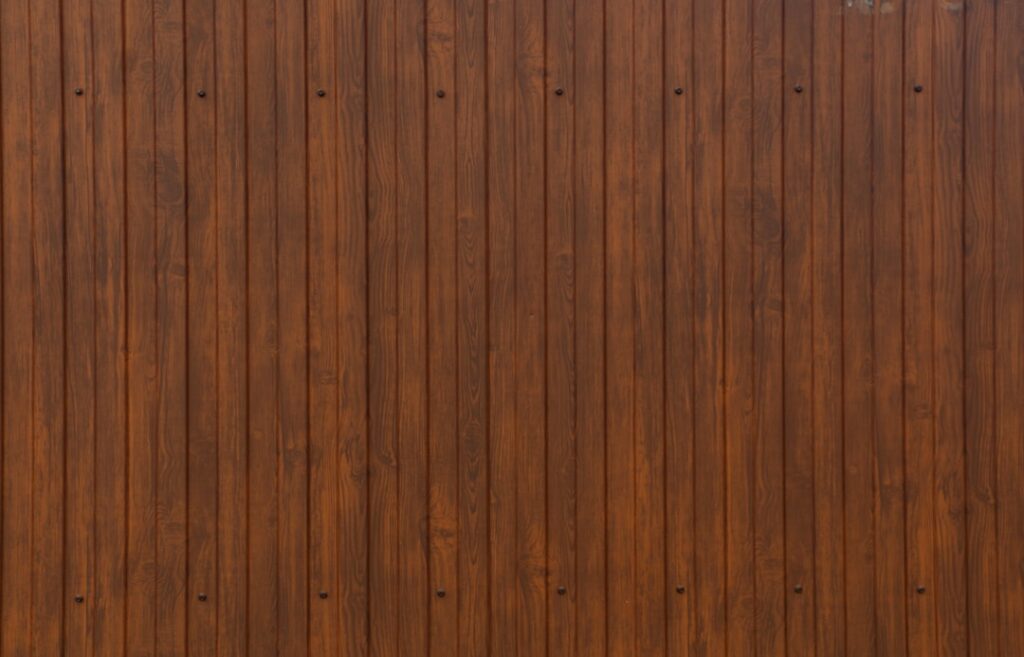
Wood look vinyl siding delivers the rich, textured appearance of natural cedar clapboard or hand-split shake while eliminating the painting, staining, rot, and insect problems that make real wood siding a lifetime chore. Modern manufacturing has come a long way from the flat, plasticky panels of the 1990s. Today’s premium vinyl is molded from real wood grain patterns, comes in deep low-gloss colors, and features realistic shadow lines that fool the eye from the curb. For homeowners who love the look of a cedar-sided cottage but not the maintenance, it is one of the best-value exterior choices available.
- Wood Look Vinyl Siding: How Vinyl Mimics Real Wood
- Popular Wood Look Profiles
- Color Options and Fade Resistance
- Durability and Maintenance
- Insulated vs Standard Panels
- Cost Per Square Foot
- Installation Considerations
- Downsides to Weigh
- How It Compares to Fiber Cement and Engineered Wood
- Cleaning and Long-Term Care
- Warranty and What It Covers
Wood Look Vinyl Siding: How Vinyl Mimics Real Wood
The realism comes from two things: texture and profile. Manufacturers press molds taken from actual cedar boards into the vinyl, capturing the grain, knots, and irregular surface of natural lumber. The panels are then formed into profiles that echo traditional wood siding styles, from crisp Dutch lap to rough shake and shingle. Low-gloss finishes are key; real wood is matte, so a shiny panel instantly reads as fake. The best products also vary the grain from board to board so a wall does not show a repeating pattern, which is the telltale sign of cheap siding.
Popular Wood Look Profiles
Vinyl comes in several profiles that recreate specific wood traditions.
- Clapboard (traditional lap): Horizontal boards with a simple overlap, the classic American look. Widths of 4 to 7 inches per course.
- Dutch lap: A decorative bevel at the top of each board that casts a distinct shadow line, popular on Colonial and farmhouse homes.
- Board and batten: Vertical panels with raised battens, ideal for modern farmhouse and craftsman exteriors.
- Cedar shake and shingle: Molded panels that replicate hand-split shakes, perfect for gables, dormers, and Cape Cod styles. This profile fools the eye best from the street.
- Beaded: A small rounded bead along the bottom of each course for a refined, historic appearance.
Color Options and Fade Resistance
Vinyl color runs all the way through the panel, so scratches and nicks do not expose a different color underneath, and there is no paint to peel. Wood-look lines favor natural tones: weathered cedar, driftwood gray, sage, clay, and deep colonial reds and blues. Darker colors were once prone to fading, but modern formulations use UV-stable pigments and heat-reflective technology to hold color for decades. Reputable brands warranty against excessive fade, typically limiting color change to a set Hunter units value over the warranty period.
Durability and Maintenance
This is where vinyl decisively beats real wood. It never needs painting or staining, will not rot, and does not feed termites or carpenter ants. Quality panels resist cracking down to low temperatures and are rated to withstand high winds when properly installed, often 110 to 200 mph depending on the product. Maintenance amounts to an occasional rinse with a garden hose and mild soap to remove dirt and mildew. Compare that with cedar, which needs restaining every three to seven years, and the lifetime cost difference is enormous.
Insulated vs Standard Panels
Wood look vinyl comes in hollow-back and insulated versions. Insulated siding has rigid foam laminated to the back of each panel, which does three useful things: it boosts the wall’s R-value modestly, it makes the panel more rigid so it lies flatter and looks more like real wood, and it dampens noise. Insulated panels cost more, roughly $4 to $7 per square foot in material versus $2 to $4 for standard, but the added rigidity and thermal benefit appeal to homeowners doing a full re-side.
Cost Per Square Foot
For a typical home, installed wood look vinyl siding runs $4 to $12 per square foot, including labor and accessories. Basic clapboard sits at the low end; realistic shake profiles and insulated panels reach the top. A complete re-side on an average 1,500 to 2,000 square foot exterior commonly totals $8,000 to $20,000. That is a fraction of real cedar, which can run $12 to $20 per square foot installed plus a lifetime of refinishing costs, and far less than fiber cement’s installed price in many markets.
Installation Considerations
Vinyl siding expands and contracts significantly with temperature, so it must be hung loosely, never nailed tight. Installers leave nails slightly proud and center them in the elongated nail slots to let panels float. Butt joints are overlapped and staggered so seams are less visible. Proper flashing around windows, doors, and rooflines and a water-resistive barrier behind the siding are essential to keep water out. While vinyl is one of the more DIY-friendly sidings, a full house re-side is heavy, ladder-intensive work that most homeowners hire out. Poor installation, especially nailing too tight, causes buckling and waviness that no product quality can overcome.
Downsides to Weigh
Vinyl is not flawless. In very close inspection it still does not equal real wood, and design purists notice the seams. It can crack from a hard impact in extreme cold, and dark colors on a sun-baked wall can warp if a nearby low-E window reflects concentrated heat. It also does not add the same resale prestige as fiber cement or genuine wood in high-end neighborhoods. For most homeowners, though, the maintenance savings and lower cost outweigh these concerns.
How It Compares to Fiber Cement and Engineered Wood
Vinyl is not the only low-maintenance wood-look option, and understanding the alternatives sharpens the decision. Fiber cement, such as James Hardie products, offers deeper, more convincing wood texture and greater prestige at resale, but it costs significantly more installed, is heavy, must be painted or comes pre-finished, and requires specialized cutting to avoid silica dust. Engineered wood siding like LP SmartSide splits the difference, giving a real-wood texture at a mid-range price, though it needs periodic repainting and careful moisture management at cut ends. Vinyl wins decisively on lowest lifetime cost and zero repainting, which is why budget-conscious homeowners and rental-property owners favor it, while those chasing maximum curb appeal and resale value in an upscale market often step up to fiber cement.
Cleaning and Long-Term Care
The maintenance routine for wood-look vinyl could not be simpler, which is much of its appeal. Once or twice a year, rinse the siding with a garden hose and, for stubborn dirt or mildew, scrub gently with a soft brush and a solution of mild dish soap or a vinyl-safe cleaner. A pressure washer can be used carefully on a low setting, but aiming it upward or too close can drive water behind the panels, so many manufacturers recommend a hose and brush instead. Address mildew on shaded north-facing walls with an oxygen-bleach cleaner. Avoid abrasive pads and harsh solvents that can dull the finish. That handful of hours a year is the entire upkeep burden, compared with the days of scraping, sanding, and repainting real cedar demands every few years.
Warranty and What It Covers
Quality wood-look vinyl siding typically carries a lifetime limited warranty, often transferable to a subsequent homeowner for a period, which is a selling point at resale. Read what the warranty actually covers: manufacturing defects, cracking, peeling, and fade beyond a stated limit are usually included, while damage from impact, improper installation, and reflected heat from windows generally are not. Because installation quality is excluded yet critical, choose an experienced installer and keep documentation. A transferable warranty and a paper trail of proper installation reassure buyers and protect you if a panel fails prematurely, making the warranty terms worth comparing between products, not just the color and price.
Wood look vinyl siding is the practical way to get the warmth and character of cedar clapboard or shake without committing to a lifetime of scraping, painting, and rot repair. Choose a realistic profile with deep grain texture and a low-gloss finish, consider insulated panels for a flatter look and better efficiency, and insist on proper floating installation. Done well, it delivers curb appeal that lasts decades with nothing more demanding than an annual rinse.