Standard vinyl siding earned a budget reputation decades ago, but today’s premium products are a different animal entirely. Luxury vinyl siding uses thicker panels, insulated backing, and realistic wood-grain textures to deliver the look of cedar or fiber cement without the painting, rot, or steep price tag. If you have been eyeing a curb-appeal upgrade but dread the maintenance of natural materials, this is the category worth understanding. Here is how the premium tier differs and whether it earns its place on your home.
- What Sets Luxury Vinyl Apart
- Insulated Panels and Energy Savings
- Popular Profiles and Styles
- Color and Finish Options
- What Luxury Vinyl Siding Costs
- Durability and Warranty
- Installation Considerations
- How It Compares to Fiber Cement and Wood
- Trim, Accessories, and the Finished Look
- Common Mistakes to Avoid
- Maintenance and Care
- The Bottom Line
What Sets Luxury Vinyl Apart
Thickness is the first tell. Builder-grade vinyl measures around 0.040 inch, while premium panels run 0.046 to 0.055 inch, giving them rigidity that resists warping and impact. Better products also use deeper embossing for convincing wood grain, low-gloss finishes that read like real paint, and color-stable pigments engineered to fight fading. Many premium lines add a rigid foam backing bonded to the panel, turning ordinary siding into an insulated, energy-saving envelope.
Insulated Panels and Energy Savings
Insulated luxury vinyl is where the category shines. A contoured foam backing fills the gap behind the panel, adding an R-value of roughly 2.0 to 3.5 and eliminating the hollow feel of standard siding. That backing does three jobs at once: it boosts energy efficiency, dampens outside noise, and makes panels rigid enough to lie flat and hide minor wall imperfections. Homeowners in hot or cold climates often recover part of the upgrade cost through lower heating and cooling bills over the years.
Popular Profiles and Styles
Profile sets the architectural character, and premium lines offer far more than basic lap. Match the shape to your home’s style:
- Clapboard (traditional lap): Clean horizontal boards, the most versatile and popular choice.
- Dutch lap: A decorative groove along the top edge casts a subtle shadow line for depth.
- Board and batten: Vertical panels with raised battens for a farmhouse or modern look.
- Shake and shingle: Mimics hand-split cedar, ideal for gables and craftsman accents.
- Beaded: A refined rounded bead suited to colonial and historic homes.
Many homeowners mix profiles, using shake in the gables and lap on the main walls, to add custom character without a custom price.
Color and Finish Options
Premium palettes have expanded well beyond builder beige. Expect soft whites and warm tans through deep blues, greens, and near-blacks, all with fade-resistant formulations. Lighter colors stay cooler and hide minor imperfections, while darker tones make a bold statement but absorb more solar heat, which is why quality dark siding uses heat-stable pigments. Order large samples and tape them to the house, then view them in morning, midday, and evening light before committing, since sunlight dramatically changes how a color reads.
What Luxury Vinyl Siding Costs
You pay more than builder grade, but far less than fiber cement or real wood. Realistic installed pricing looks like this:
- Standard vinyl: $4 to $8 per square foot installed
- Luxury (non-insulated): $7 to $12 per square foot installed
- Insulated luxury vinyl: $8 to $14 per square foot installed
For a typical 1,800-square-foot exterior, premium insulated siding commonly runs $14,000 to $25,000 installed. Complex profiles like board and batten or shake, plus extensive trim work, push toward the high end. Even so, the number stays well below the $18 to $25 per square foot common for fiber cement.
Durability and Warranty
Longevity is a core selling point. Quality luxury vinyl carries lifetime limited warranties, often transferable to the next owner for 25 to 50 years, with separate fade coverage that guarantees the color will not shift beyond a set threshold. Premium panels resist wind uplift up to 150 to 200 miles per hour when properly installed, shrug off insects and rot entirely, and never need painting or staining. In practical terms, a good installation looks sharp for 30 to 40 years with almost no intervention.
Installation Considerations
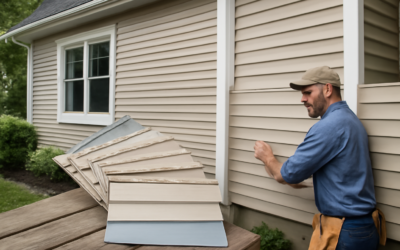
Even the best panel fails with a sloppy install, so hire a crew experienced with premium products. Vinyl must be hung, not nailed tight, leaving room to expand and contract with temperature swings of dozens of degrees between summer and winter. Nails should sit in the center of the slots with a 1/32-inch gap under the head. Proper flashing around windows, doors, and rooflines is what keeps water out over the decades. A full 1,800-square-foot job typically takes a professional crew five to ten days, depending on prep and trim complexity.
How It Compares to Fiber Cement and Wood
Weigh the alternatives honestly. Fiber cement resists fire and dents better and reads slightly more authentic up close, but it costs more, weighs far more, and needs repainting every 10 to 15 years. Real cedar offers unmatched natural beauty yet demands staining, invites rot and insects, and carries the highest lifetime cost. Luxury vinyl lands in the sweet spot: convincing looks, genuine insulation value, and near-zero upkeep at a mid-range price. For most homeowners chasing curb appeal without the maintenance treadmill, it is the pragmatic winner.
Trim, Accessories, and the Finished Look
What separates a premium siding job from a cheap one is often the trim, not the panels. Quality installs wrap windows, doors, corners, and rooflines in coordinated J-channel, corner posts, and fascia that hide raw edges and give the exterior a crisp, custom frame. Many homeowners pair a neutral body color with contrasting trim and a bold front door for a classic, polished formula. Add-ons like decorative shake accents in gables, board-and-batten sections, and matching soffit and vented panels round out the look. Budget an extra $1 to $3 per linear foot for premium trim, since cutting corners here undercuts the whole upgrade.
Common Mistakes to Avoid
A few missteps trip up homeowners chasing this upgrade, and knowing them saves money and regret:
- Nailing panels tight: Vinyl must float to expand and contract, or it buckles in summer heat.
- Skipping the house wrap: A weather-resistant barrier behind the siding is what actually keeps walls dry.
- Choosing color by a small chip: Always test large samples on the wall in real daylight before ordering.
- Ignoring HOA rules: Confirm color and style restrictions before falling for a bold shade.
- Hiring the cheapest bid: Poor flashing and rushed trim show within a year and let water in.
Maintenance and Care
Upkeep is refreshingly light. Once or twice a year, rinse the siding with a garden hose and a soft-bristle brush, using mild soap on stubborn dirt or mildew. Skip high-pressure washing aimed upward, which can force water behind the panels, and avoid abrasive cleaners that dull the finish. Inspect for cracked or loose pieces after major storms, since individual panels can be swapped out affordably. Unlike wood, luxury vinyl never needs sanding, painting, or sealing, which is exactly why so many owners choose it. For stubborn mildew on shaded north walls, a solution of one part white vinegar to four parts water clears it without harsh chemicals. Keep shrubs and sprinklers from constantly wetting the lower courses, and a good luxury siding job stays looking new for 30 years or more with a few hours of attention each year.
The Bottom Line
Luxury vinyl siding bridges the gap between cheap builder-grade panels and costly fiber cement, delivering thick, fade-resistant, often insulated siding that mimics real wood for $8 to $14 per square foot installed. Match the profile to your architecture, choose insulated panels in demanding climates, and hire an installer who respects vinyl’s need to expand and contract. Get those pieces right, and this upgrade transforms your home’s look while protecting it, maintenance-free, for decades.