Insulated vinyl siding looks like ordinary vinyl from the curb, but behind each panel sits a contoured layer of rigid foam that fills the gap between the siding and your wall. That foam does several jobs at once: it boosts energy efficiency, makes the panels more rigid and impact-resistant, dampens outside noise, and helps the siding lie flatter for a higher-end appearance. For homeowners weighing a re-siding project, understanding what that foam backing does, what it costs, and where it pays off is the key to deciding whether the premium over standard vinyl is money well spent.
- What Sets It Apart from Standard Vinyl
- Understanding the R-Value
- What Insulated Vinyl Siding Costs
- The Real Benefits
- The Drawbacks to Weigh
- Is It Worth It for Your Home?
- Installation and What to Expect
- Maintenance and Lifespan
- How It Compares to Other Siding Options
- Choosing a Color and Style That Lasts
What Sets It Apart from Standard Vinyl
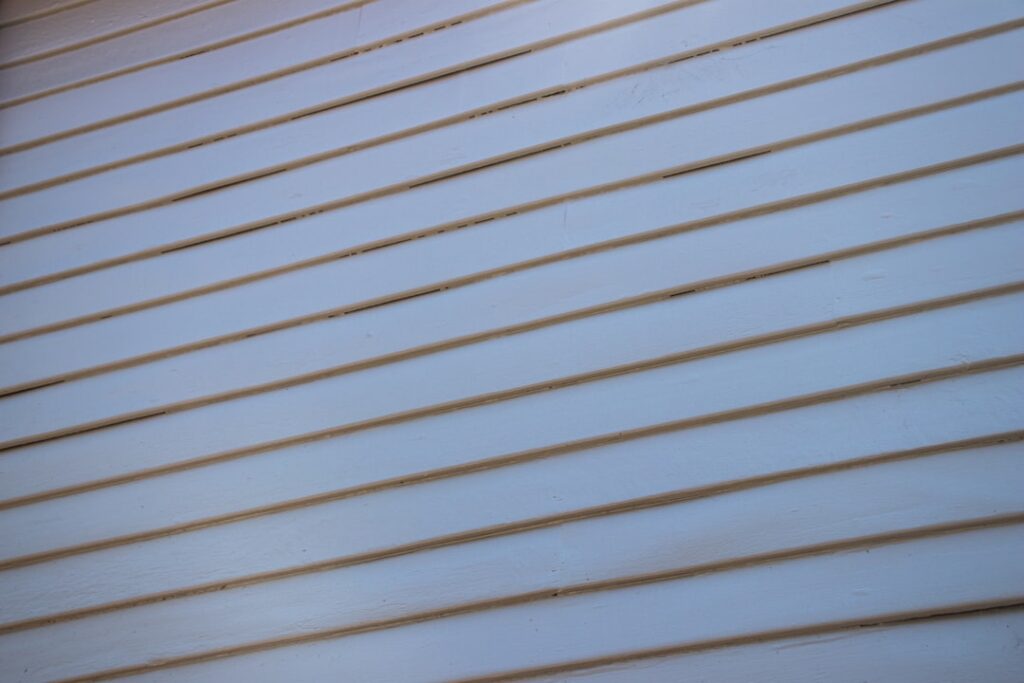
Traditional hollow vinyl siding hangs loosely on your wall, leaving air pockets behind each panel. Insulated vinyl, sometimes called foam-backed siding, laminates or fuses expanded polystyrene (EPS) foam to the back of each panel, contoured to match the panel’s profile so it sits snug against the sheathing. This structural foam adds an insulating layer, stiffens the panel so it resists denting and warping, and eliminates the wavy look that plain vinyl can develop over time. The result is siding that performs better thermally and holds its shape and finish longer.
Understanding the R-Value
R-value measures resistance to heat flow, and it is the headline selling point of insulated siding. Standard vinyl siding offers almost no insulation, around R-0.6. Insulated vinyl typically adds R-2 to R-5 depending on foam thickness. That may sound modest next to wall-cavity insulation rated R-13 to R-21, but the real benefit is where it sits: on the exterior, covering the studs. Wood studs conduct heat and create thermal bridges that bypass cavity insulation. A continuous layer of foam across the whole wall, including over the studs, reduces that thermal bridging and can make a noticeable difference in comfort and drafts, especially on older homes with little existing exterior insulation.
What Insulated Vinyl Siding Costs
Expect to pay a premium over standard vinyl. General installed cost ranges:
- Standard vinyl siding: roughly $4 to $8 per square foot installed.
- Insulated vinyl siding: roughly $6 to $12 per square foot installed.
For an average 1,500-square-foot exterior, insulated siding often totals $12,000 to $20,000 installed, versus $8,000 to $14,000 for standard vinyl. The gap of a few thousand dollars buys the foam backing, the added durability, and modestly lower energy bills. Prices vary with brand (CertainTeed, Mastic/Ply Gem, and Royal are common names), panel thickness, home height and complexity, and regional labor rates. Get at least three itemized quotes and confirm whether removal of old siding and any sheathing repairs are included.
The Real Benefits
- Energy efficiency: Reduced thermal bridging can trim heating and cooling costs, most noticeably in older, under-insulated homes and extreme climates.
- Durability and impact resistance: The foam backing braces the panel, so it resists dents from hail, ladders, and stray baseballs far better than hollow vinyl.
- Straighter appearance: Because the foam fills irregularities in the wall, panels lie flat and look more like solid wood siding.
- Noise reduction: The foam dampens outdoor sound, a welcome bonus near busy streets.
- Low maintenance: Like all vinyl, it never needs painting and washes clean with a hose.
The Drawbacks to Weigh
Insulated vinyl is not perfect. The higher upfront cost means the energy savings alone may take many years to recoup, so the value case leans as much on durability and looks as on utility bills. Installation is also less forgiving; the thicker, stiffer panels require experienced crews who account for the foam when overlapping and fastening, so hiring a qualified installer matters. There is also an ongoing debate about moisture: foam-backed siding must be installed to allow the wall to dry, and improper installation over a home with existing moisture problems can trap water. Finally, like all vinyl, it can crack in severe cold impacts and, in rare cases, warp if exposed to intense reflected heat, such as sunlight bouncing off low-E windows.
Is It Worth It for Your Home?
The answer depends on your situation. Insulated vinyl siding makes the most sense when you are already re-siding and can absorb the incremental cost, when your home has poorly insulated walls that the continuous foam will meaningfully improve, when you live in a climate with high heating or cooling loads, or when durability and a premium flat appearance matter to you. If your walls are already well insulated and you simply need weather protection on a tight budget, standard vinyl or another cladding may deliver better value. Think of the foam backing as a package of durability, comfort, and modest energy savings rather than a single dramatic payback.
Installation and What to Expect
A professional re-siding job usually starts with removing old siding, inspecting and repairing the sheathing and house wrap, and installing a weather-resistant barrier. Crews then hang the insulated panels from the bottom up, overlapping courses and leaving room for thermal expansion, which is critical since vinyl expands and contracts with temperature. Nails are driven loosely enough to let the panels move, a common detail amateurs get wrong. Around windows, doors, and corners, matching trim and J-channel finish the look and seal out water. A typical home takes several days to a couple of weeks depending on size and complexity. Insist on manufacturer-certified installers so warranty coverage stays intact.
Maintenance and Lifespan
One of vinyl’s great appeals is how little it asks of you. An annual rinse with a garden hose, or a gentle wash with mild soap and a soft brush for stubborn grime and mildew, keeps it looking fresh. Avoid pressure washing at high settings, which can force water behind panels. Inspect caulking around windows and doors periodically and reseal as needed. Quality insulated vinyl siding carries warranties of 25 years to lifetime and commonly lasts 30 to 40 years, with fade-resistant finishes holding color far better than older vinyl. That longevity, combined with near-zero upkeep, is a big part of why insulated vinyl remains a popular choice for homeowners who want to side once and forget about it.
How It Compares to Other Siding Options
Putting insulated vinyl next to the alternatives clarifies where it fits. Standard vinyl is cheaper upfront and perfectly adequate for weather protection, but it lacks insulation, dents more easily, and can look wavy over time. Fiber cement, such as James Hardie board, offers superb durability, fire resistance, and a premium wood-like appearance, but it costs more, is heavy, needs periodic repainting, and provides little insulation on its own. Engineered wood siding splits the difference on looks and price but still requires maintenance. Insulated vinyl carves out a niche as the low-maintenance option that adds real thermal value and impact resistance while never needing paint. If your priorities are minimal upkeep, added energy performance, and a flat, upgraded appearance at a mid-range price, insulated vinyl is a strong contender. If you want the richest look and are willing to maintain it, fiber cement may appeal more; if budget is the only concern, standard vinyl wins.
Choosing a Color and Style That Lasts
Vinyl siding is manufactured in a wide palette and several profiles, from traditional clapboard and Dutch lap to vertical board-and-batten and shake looks, so you can match nearly any architectural style. Modern fade-resistant formulations hold their color far better than the vinyl of decades past, but darker colors still absorb more heat and, historically, showed fading sooner, so confirm the manufacturer’s warranty specifically covers your chosen shade. Because color is molded through the panel, scratches are less visible than on painted materials, and you never have to repaint. When selecting a color, consider your home’s permanent elements like roof and stone, your neighborhood’s character, and resale appeal, since siding is a long-term commitment. Ordering a few sample panels and viewing them on the house in different light before committing helps avoid an expensive change of heart.
Weigh the upfront premium against decades of durability, comfort, and curb appeal, and for many homes the foam-backed upgrade earns its keep. Match the product to your climate and wall condition, hire certified installers, and insulated vinyl siding can protect and beautify your home for a generation with almost no maintenance in between.