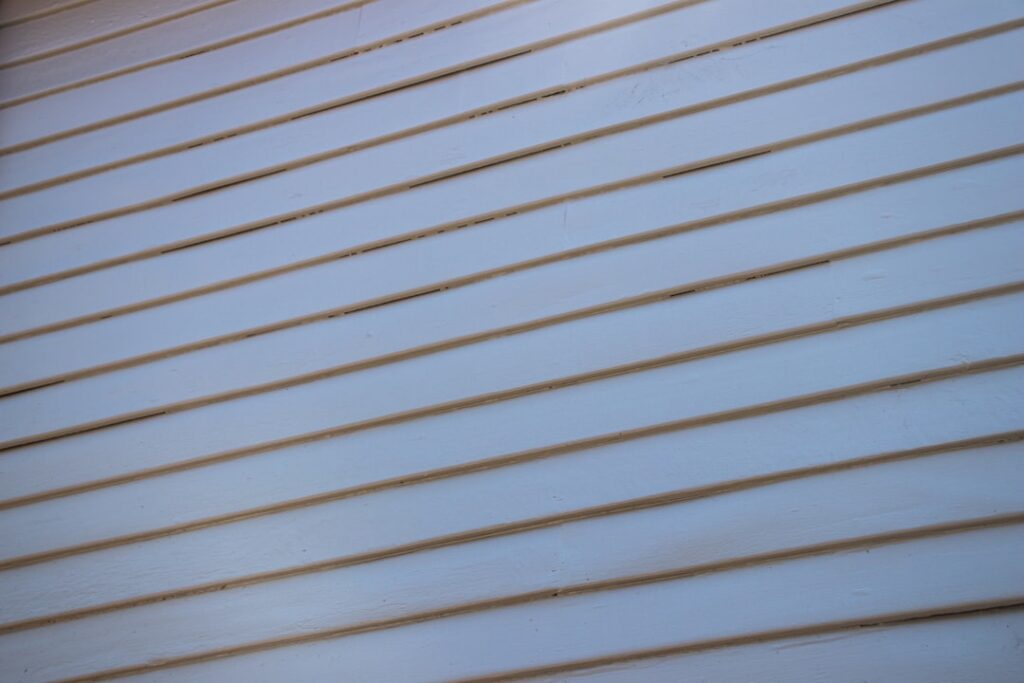
Vinyl remains the most-installed siding in the United States for one simple reason: value. A properly installed vinyl siding lifespan typically runs 20 to 40 years, and premium products backed by transferable warranties can push past 50 years with reasonable care. That longevity, combined with a low upfront cost and near-zero painting requirement, is why builders and homeowners keep choosing it over wood, fiber cement, and aluminum. But the range is wide for a reason. Climate, installation quality, product thickness, and maintenance all move the needle, and a cheap panel nailed on badly in a harsh climate can look shabby in a decade. Here is what actually determines how long your siding will last and how to get the most years out of it.
The Typical Lifespan Range
Most standard-grade vinyl siding is engineered to perform for 20 to 30 years. Step up to thicker premium and insulated panels, and 30 to 40 years is a realistic target, with some manufacturers advertising lifetime or 50-year limited warranties on their top lines. In practice, the number that matters is how the siding looks and functions, not the calendar. Plenty of siding remains structurally sound at 30 years but looks dated or faded enough that owners replace it for aesthetic reasons well before it physically fails.
Thickness is the single best predictor of durability. Builder-grade panels run around 0.040 inches thick, while premium panels reach 0.046 to 0.055 inches. That extra rigidity resists warping, cracking, and wind damage far better, which is why paying more per square foot up front often pays off in extra decades on the wall.
What Shortens Siding Life
Several forces work against your siding over the years, and understanding them helps you spot problems early. Ultraviolet sunlight is the biggest cosmetic enemy, gradually fading pigments, especially on south- and west-facing walls that take the most direct exposure. Dark colors show fading sooner than light neutrals. Extreme temperature swings cause vinyl to expand and contract, and if it was nailed too tightly during installation, that movement leads to buckling and warping.
- UV exposure: fading and chalking, worst on sun-facing walls
- Impact damage: hail, ladders, and lawn equipment crack brittle panels, especially in cold weather
- Heat sources: grills, reflected sunlight off low-E windows, and fire pits can melt or distort panels
- Moisture intrusion: water getting behind poorly flashed siding rots sheathing and breeds mold
- Wind: improperly locked panels can peel away in storms
In coastal and northern climates, the challenges compound. Salt air, freeze-thaw cycles, and high winds all accelerate wear, so a panel that lasts 40 years in a mild climate might reach only 25 in a harsher one.
Why Installation Quality Matters So Much
You can buy the best siding on the market and still get a short lifespan if it is installed wrong. Vinyl is designed to hang loosely and float on the wall so it can expand and contract with temperature. Nails should be centered in the slots and left roughly a sixteenth of an inch loose, never driven tight. Panels that are face-nailed or pinned solid will buckle, wave, and crack within a few seasons.
Proper flashing around windows, doors, and rooflines is just as critical. Vinyl siding is a rain screen, not a waterproof barrier, so the house wrap and flashing behind it do the real weatherproofing. Skimp there and moisture gets into the wall assembly, causing rot that has nothing to do with the vinyl itself but ends up requiring the whole wall to be opened up. Hiring an installer who understands these details is one of the best investments you can make in siding longevity.
Signs Your Siding Needs Replacing
Vinyl rarely fails all at once; it declines gradually, so watch for the warning signs. Widespread fading and a chalky residue that rubs off on your hand indicate the surface has degraded past the point where cleaning helps. Cracked, brittle, or broken panels, especially those that snap rather than flex, mean the plasticizers have aged out. Warping, buckling, and loose panels flapping in wind point to installation or heat problems.
The most serious red flag is any sign of moisture behind the siding: soft or rotting trim, peeling interior paint, higher heating and cooling bills, or visible mold. Those symptoms suggest water is getting into the wall, and at that point replacement, along with repairing whatever let water in, becomes urgent rather than optional. Isolated cracked panels can often be swapped individually, but if damage is widespread or the sheathing is compromised, a full re-side is the smarter long-term move.
How to Maximize Your Siding’s Lifespan
Getting decades out of vinyl comes down to simple, consistent care. Wash the siding once or twice a year with a soft-bristle brush and a bucket of soapy water, or a gentle low-pressure rinse, to clear dirt, pollen, and mildew before they stain. Skip aggressive pressure washing that forces water behind panels. Keep grills, fire pits, and reflective surfaces away from the walls to prevent heat distortion, and trim shrubs back so air can circulate and moisture does not linger.
Inspect the siding each spring and fall, looking for cracks, loose panels, and gaps at joints and penetrations. Re-caulk around windows and trim as needed, and replace any damaged panels promptly so water cannot find its way behind them. With those modest habits, a quality product, and a competent installation, the vinyl siding lifespan on your home can comfortably reach the upper end of its range, protecting your walls and holding its appearance for a generation or more.
Vinyl Siding vs. the Alternatives
It helps to see vinyl’s lifespan in context against competing materials. Fiber cement siding, such as the popular Hardie board, lasts roughly 30 to 50 years and resists fire and impact better than vinyl, but it costs significantly more to buy and install and needs repainting every 10 to 15 years. Wood siding can last 20 to 40 years but demands frequent painting or staining and is vulnerable to rot and insects. Aluminum lasts a long time but dents easily and can chalk and fade. Against that field, vinyl earns its popularity by offering a competitive lifespan with the lowest maintenance burden and the lowest total cost of ownership, which is why it still clads more American homes than any other material. If longevity is your single highest priority and budget is flexible, fiber cement edges ahead; if value and low upkeep matter most, quality vinyl is hard to beat.