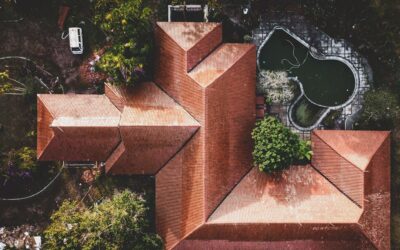
Ask ten roofers how long will a metal roof last and you will hear answers from 25 years to “longer than the house.” Both can be true, because metal roofing is not one product. A concealed-fastener standing seam roof on a well-vented house commonly runs 40 to 70 years, while an exposed-fastener panel roof often needs serious fastener work by year 15 to 20 and may reach 30 to 45 years overall with good care. Stone-coated steel shingles and shakes usually land in the 40 to 60 year range.
Part of our Roofing guide — explore the full guide →
The panel system matters most, but it is only the starting point. Steel thickness (gauge), the metallic coating under the paint, the paint system itself, your local climate and how well the roof is maintained all push the number up or down. A thin panel near salt air with neglected screws can fail in half the time of a heavy panel in a dry inland climate.
- How Long Will a Metal Roof Last by Panel Type?
- Gauge, Coatings and Paint: What the Specs Really Mean
- What Shortens a Metal Roof's Life
- Fastener and Sealant Service Intervals
- Troubleshooting Common Signs of Aging
- Typical Costs for Metal Roof Upkeep
- Safety and When to Call a Licensed Professional
- Frequently Asked Questions
Knowing which system you have, and what wears out first on it, lets you budget for maintenance instead of being surprised by a leak. Figures here are typical examples drawn from common installations; your panel manufacturer’s warranty documents and installation instructions are the final word for your specific roof.
How Long Will a Metal Roof Last by Panel Type?
The single biggest factor in metal roof lifespan is whether the fasteners are exposed to the weather. Every screw that passes through the face of a panel carries a rubber washer, and that washer is usually the first component to give up. Systems that hide their fasteners avoid that weak point entirely.
Standing Seam (Concealed Fastener)
Standing seam panels lock together at raised vertical seams, and the clips that hold them to the deck sit under the seam where sun and rain never reach them. Floating clips also let the panels expand and contract with temperature swings, which reduces stress on the metal. With a 24 gauge steel panel, a quality metallic coating and a fluoropolymer (PVDF type) paint, a lifespan of 50 years or more is a realistic expectation. Aluminum and zinc standing seam can last longer still, and copper roofs on historic buildings have passed the century mark.
Exposed-Fastener Panels
Corrugated and ribbed “screw-down” panels are popular because they cost far less to buy and install. The panels themselves can last 30 to 45 years, but the neoprene or EPDM washers under thousands of screws dry out, crack and loosen under UV exposure and thermal movement. Expect to inspect fasteners every few years and re-screw or replace them somewhere between year 10 and year 20. Skipping that work is the most common reason these roofs leak early.
Stone-Coated Steel
Stone-coated steel shingles, tiles and shakes use a steel base with a metallic coating, an acrylic base coat and a layer of crushed stone granules. The interlocking design and textured surface hold up well to hail and wind, and many are rated for 40 to 60 years. Granule loss in heavy foot-traffic areas and fastener corrosion at the overlaps are the typical wear points.
| Panel type | Typical lifespan | First major service item |
|---|---|---|
| Standing seam steel | 40 to 70 years | Sealant at penetrations, 15 to 25 years |
| Exposed-fastener steel | 30 to 45 years | Fastener and washer replacement, 10 to 20 years |
| Stone-coated steel | 40 to 60 years | Touch-up and fastener checks, 15 to 20 years |
| Aluminum standing seam | 50 to 70 years | Sealant renewal, 20 to 25 years |
Gauge, Coatings and Paint: What the Specs Really Mean
Steel roofing gauge runs backward: a lower number means thicker metal. Residential panels typically range from 29 gauge (thin, common on exposed-fastener products) to 24 gauge (heavier, common on standing seam). Thicker steel resists denting from hail and foot traffic, spans better between supports and has more material to lose before corrosion becomes a hole. Going from 29 to 26 gauge is often a modest cost bump for a noticeably tougher roof.
Underneath the paint, steel panels get a metallic coating that does the real anti-rust work. Galvanized steel uses zinc, while aluminum-zinc alloy coatings combine the barrier protection of aluminum with the sacrificial protection of zinc. In most climates the aluminum-zinc coating outlasts plain galvanizing, though it does not tolerate contact with wet concrete, treated lumber or animal confinement buildings well. Coating weight matters too, so heavier designations like G90 or AZ55 beat lighter ones.
The paint finish controls fading and chalking. Silicone-modified polyester (SMP) paints are common on budget panels and typically carry 30 to 40 year film warranties with noticeable color change over time. PVDF (fluoropolymer) finishes hold color far longer and resist chalking, which is why they appear on most premium standing seam systems. Paint does not hold the roof together, but once it fails and the metallic coating starts to weather, the clock speeds up.
What Shortens a Metal Roof’s Life
Most early failures trace back to a short list of causes, and nearly all of them are preventable.
- Salt air and industrial pollution: Homes within a mile or so of the ocean see far faster corrosion. Aluminum panels or heavier coatings are worth considering in coastal zones.
- Dissimilar metals: Copper gutters, copper flashing or even runoff from a copper ornament onto steel panels causes galvanic corrosion. Lead flashing and graphite pencil marks can do the same.
- Cut-edge and scratch rust: Shavings from field cutting with abrasive wheels embed hot steel particles that rust and stain. Scratches through the coating invite red rust if not touched up.
- Standing water and debris: Leaves and pine needles trapped behind chimneys or in valleys hold moisture against the metal for weeks at a time.
- Poor ventilation and condensation: Warm, moist attic air condensing on the underside of panels corrodes from the inside out, especially on roofs installed over open purlins without a proper underlayment.
- Over-driven or under-driven screws: Washers crushed flat split early, and loose screws let water wick in. Both are installation defects that show up within a few years.
Fastener and Sealant Service Intervals
Owners who ask how long a metal roof will last often overlook that the panels are rarely what fails first. Sealants, washers and boots wear out on a predictable schedule, and replacing them on time is what lets the metal reach its full service life.
- Every year, and after major storms: Walk the perimeter with binoculars, clear debris from valleys and gutters, and look for loose trim, lifted panels or obvious rust spots.
- Every 3 to 5 years: Have exposed-fastener roofs checked screw by screw for backed-out fasteners and cracked washers. Inspect pipe boots, which often fail at 10 to 15 years.
- Years 10 to 20: Plan on replacing exposed fasteners with slightly oversized screws that have fresh washers, and renew butyl or polyurethane sealant at ridge caps, end laps and penetrations.
- Years 15 to 25: On standing seam roofs, reseal around skylights, chimneys and vents, and touch up any scratches with manufacturer-matched paint.
When sealant work comes up, a quality metal roof sealant rated for the panel coating and for UV exposure makes a real difference. Look for a non-acidic product that stays flexible through temperature swings, and avoid generic acrylic caulk, which hardens and cracks within a couple of seasons. Clean the old sealant off down to bare, dry metal before applying the new bead.
Troubleshooting Common Signs of Aging
A few symptoms tell you whether your roof needs a tune-up or is approaching the end of its life.
- Chalky residue or faded color: Paint is weathering, which is cosmetic at first. Panels can be cleaned and, on older roofs, recoated with an elastomeric or acrylic roof coating system.
- Rust at screw heads only: Classic fastener failure. Replace fasteners before the rust spreads into the panel.
- Rust along panel edges or laps: Moisture is sitting between overlapping panels. Reseal laps and check that the roof pitch drains properly.
- Interior stains near penetrations: Usually a failed pipe boot or flashing sealant, not the panel itself.
- Widespread perforation or soft spots in the deck: Time to talk about replacement rather than repair.
Oil canning (visible waviness in flat panel areas) looks alarming but is generally a cosmetic issue, not a sign of reduced lifespan. Persistent popping noises can indicate clips binding against the panels, which is worth having checked.
Typical Costs for Metal Roof Upkeep
Maintenance is inexpensive compared with replacement. A professional inspection commonly runs a few hundred dollars. Re-screwing an exposed-fastener roof on an average house is typically a mid four-figure job depending on panel count and pitch. Resealing penetrations and trim usually costs a few hundred to a couple of thousand dollars. Full replacement, by contrast, often runs from roughly $8 to $16 per square foot for exposed-fastener systems and higher for standing seam, so a few maintenance visits over the life of the roof are an easy trade.
Restoration coatings sit in the middle. Applying a primer and a fluid-applied roof coating over a sound but weathered roof can add 10 to 20 years for a fraction of replacement cost, provided rust is treated first and the panels are still structurally solid.
Safety and When to Call a Licensed Professional
Metal panels are slippery, especially when wet, dewy or dusty, and many residential metal roofs are steeper than they look from the ground. Do as much inspection as possible from the ground with binoculars or from a ladder at the eave. If you use a ladder, set it on firm, level ground at roughly a 4 to 1 angle, extend it at least 3 feet past the roof edge, tie it off and keep three points of contact. Never climb onto a roof in wet or windy conditions, and leave any roof that is two or more stories high, or steeper than a walkable pitch, to a professional with fall protection.
Call a licensed roofing contractor for fastener replacement on large roofs, any work involving panel removal, structural concerns such as sagging or soft decking, and work around chimneys or skylights. Many areas require a permit for re-roofing or significant repairs, and a contractor familiar with local requirements can handle that. If electrical items such as roof-mounted solar arrays or heat cable are involved, bring in a licensed electrician rather than working around them yourself.
So how long will a metal roof last on your house? Identify the panel system, check the gauge and coating on your paperwork, and keep the fasteners and sealants on schedule. Do those three things and your roof has an excellent chance of outlasting two or three asphalt roofs on the house next door.
Frequently Asked Questions
Does a metal roof really last 50 years?
A well-installed standing seam roof with heavy gauge steel, a quality metallic coating and fluoropolymer paint commonly reaches 50 years or more. Exposed-fastener roofs can approach that range too, but only if fasteners and washers are replaced on schedule.
Is 29 gauge metal roofing thick enough for a house?
Many homes use 29 gauge panels successfully, especially in mild climates. In hail-prone, high-wind or high snow load areas, 26 or 24 gauge offers more dent resistance and a longer working life for a modest added cost.
How often should the screws on a metal roof be replaced?
Plan on inspecting exposed fasteners every 3 to 5 years and replacing them roughly every 10 to 20 years, depending on sun exposure and climate. Standing seam roofs with concealed clips do not need routine fastener replacement.
Can you paint or coat an old metal roof to extend its life?
Yes. Once rust is cleaned and treated and loose fasteners are fixed, a primer and a roof coating system can add 10 to 20 years to a structurally sound roof. Heavily perforated panels should be replaced instead.
Does a metal roof last longer than shingles?
Generally, yes. Architectural asphalt shingles typically last 20 to 30 years, while most metal systems run 30 to 70 years depending on panel type, materials and maintenance.