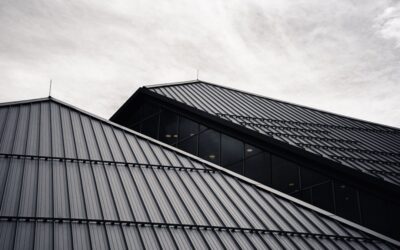
Ask any roofer who has worked through a couple of hailstorms and they will tell you a good metal roofing material outlives three or four generations of asphalt shingles. Where a standard shingle roof taps out around 15 to 25 years, a properly installed metal roof runs 40 to 70 years, sheds snow, resists fire, and can knock 10 to 25 percent off summer cooling bills with a reflective coating. The upfront price is higher, but spread across the lifespan the math often favors metal, especially if you plan to stay in the house.
Part of our Roofing guide — explore the full guide →
- Understanding Metal Roofing Material Options
- Comparing the Main Metals
- Panel Profiles: Standing Seam vs. Exposed Fastener
- Gauge and Coating: The Specs That Matter
- Installation Considerations
- Weighing the Real Costs and Benefits
- Metal Roofing and Energy Performance
- Is Metal Roofing Right for Your Home?
Understanding Metal Roofing Material Options
Not all metal roofs are the same product. The category spans several base metals, two main panel styles, and a range of coatings, and the combination you choose sets the price and the look. The base metal determines corrosion resistance and cost; the profile determines appearance and how it is fastened; the coating determines color longevity and energy performance.
The most common residential choice by far is coated steel, because it balances strength, cost, and durability. Aluminum is the go-to near saltwater. Copper and zinc are premium architectural metals reserved for showpiece homes and historic restorations.
Comparing the Main Metals
- Galvanized/Galvalume steel: $4 to $9 per square foot installed. Strong, affordable, the workhorse. Galvalume’s aluminum-zinc coating resists rust better than plain galvanized.
- Aluminum: $6 to $14 per square foot. Lightweight, will not rust, ideal for coastal homes. Softer, so it dents more easily.
- Copper: $18 to $40 per square foot. Lasts a century-plus, weathers to a green patina, expensive.
- Zinc: $15 to $35 per square foot. Self-healing patina, very long life, niche use.
A “square” in roofing equals 100 square feet, and material is often priced that way. For most homeowners, Galvalume steel delivers the best value; aluminum earns its premium only in salt-air environments where steel would corrode.
Panel Profiles: Standing Seam vs. Exposed Fastener
Standing seam is the premium profile. Its raised vertical seams lock together with hidden clips, so there are no screw penetrations exposed to the weather. That means fewer leak points and a clean, modern look, at a cost of $8 to $16 per square foot installed. Because the panels are attached with concealed clips, they can expand and contract with temperature swings without loosening fasteners.
Exposed-fastener panels, including corrugated and ribbed profiles like R-panel and 5V-crimp, screw directly through the face of the metal into the deck. They are cheaper, $4 to $8 per square foot installed, and faster to put down, which is why you see them on barns, workshops, and budget-conscious homes. The tradeoff is that the neoprene washers under those screws degrade in 15 to 20 years and eventually need replacement to stay watertight.
Gauge and Coating: The Specs That Matter
Metal thickness is measured in gauge, and lower numbers mean thicker metal. Residential steel roofing is usually 24 to 29 gauge. For a main roof, 24 or 26 gauge is the better choice, because 29 gauge, while cheaper, oil-cans and dents more easily. For standing seam, 24 gauge is the standard.
The paint system matters as much as the metal. A premium PVDF coating (branded Kynar 500 or Hylar 5000) holds its color and gloss for 30-plus years with a strong fade and chalk warranty. Cheaper SMP (silicone-modified polyester) coatings cost less but fade and chalk sooner. If you care about the color staying true, pay for the PVDF finish, it is the difference between a roof that looks new at year 25 and one that looks tired at year 12.
Installation Considerations
Metal roofing can often go over an existing single layer of asphalt shingles if code allows, using furring strips or a slip sheet, which saves tear-off cost. More commonly it is installed over a solid deck with a high-temperature synthetic underlayment rated to withstand the heat metal transfers. An ice-and-water shield along eaves and valleys is essential in snow country.
- Inspect and repair the deck; replace any rotted sheathing.
- Install high-temp underlayment and ice-and-water membrane at eaves and valleys.
- Set the drip edge, then work panels from one gable toward the other.
- Fasten per the profile: hidden clips for standing seam, gasketed screws into the flats for exposed-fastener panels.
- Flash penetrations, valleys, and the ridge, then install a vented ridge cap.
Proper flashing at chimneys, skylights, and valleys is where amateur metal jobs leak, so this is not the roof to hire the cheapest crew for. Expansion and contraction also demand correct fastening; over-driven screws that pin a panel too tight will cause oil-canning and eventual fatigue.
Weighing the Real Costs and Benefits
A full metal roof on an average 2,000-square-foot home typically runs $14,000 to $30,000 depending on metal, profile, and roof complexity, versus roughly $8,000 to $15,000 for architectural asphalt shingles. But you may never reroof again, and the energy savings, insurance discounts (many carriers reduce premiums for Class 4 impact-rated metal), and resale appeal offset the gap.
Metal is also one of the most recyclable roofing materials, often containing 25 to 95 percent recycled content and fully recyclable at end of life, which matters to buyers who care about sustainability.
Metal Roofing and Energy Performance
One of the strongest arguments for metal is what it does to your utility bills. Unlike dark asphalt that soaks up heat and radiates it into the attic, a reflective metal roof bounces solar radiation away. Cool-roof coatings and lighter colors carry a solar reflectance that can lower roof surface temperatures by 50 to 60°F on a hot afternoon, which translates to roughly 10 to 25 percent savings on summer cooling in sun-heavy climates.
The gains depend on your region and attic setup. In the Southwest and Deep South, a reflective metal roof pays back meaningfully in cooling costs. In colder northern climates the summer savings are smaller, but metal still helps by shedding snow load and pairing well with attic insulation and ventilation. Look for ENERGY STAR rated colors and coatings if energy performance is a priority, and remember that proper attic ventilation under the roof deck is what lets the reflective benefit actually reach your living space.
Energy performance is a strong point in metal’s favor, but it is not the only thing homeowners ask about, and two persistent worries come up in almost every conversation about switching from asphalt. People picture rain drumming on a barn roof and hail leaving a moonscape of dents, and both fears keep otherwise interested buyers from pulling the trigger. The reality, once you understand how a modern residential metal roof is actually built, is far more reassuring than the folklore suggests, because the assembly over a solid deck behaves nothing like bare panels on open framing. It is worth addressing these concerns head-on, because they are the two objections that most often derail a good roofing decision, and clearing them up usually changes the calculation. Here is what actually happens with noise and impact damage on a properly installed metal roof, and how the right gauge and finish put these worries to rest.
Two worries come up in nearly every conversation about metal roofing, and both are largely myths when the roof is installed correctly. The first is noise. People picture rain hammering a tin barn, but a residential metal roof installed over solid decking with underlayment is no louder than asphalt in a storm; the deck and attic insulation absorb the sound. It is only bare panels over open framing, as on a shed, that produce the drumming people remember.
The second worry is denting from hail. Steel in 24 or 26 gauge shrugs off typical hail, and many metal roofs carry a Class 4 impact rating, the highest available, which is exactly why insurers often discount premiums for them. Aluminum and copper, being softer, can show cosmetic dimpling from severe hail, but the roof stays watertight. Standing seam in particular hides minor imperfections well. Choose a thicker gauge and a textured or matte finish if you live in a hail-prone area, and these concerns largely disappear.
Is Metal Roofing Right for Your Home?
If you plan to own the house long term, live where hail, wildfire, or heavy snow is a concern, or simply want a roof you install once, metal roofing material is worth the premium. Choose Galvalume steel in 24 or 26 gauge with a PVDF coating for most homes, standing seam if the budget allows and you want the cleanest result, and exposed-fastener panels if you are covering a large simple roof on a budget. Get bids from installers who specialize in metal, not general shingle crews, and your roof will likely outlast the mortgage.