When homeowners re-side a house, they face a choice most did not know existed: standard vinyl or the insulated version with rigid foam bonded to the back. Vinyl siding with insulation, often called insulated or foam-backed siding, promises lower energy bills, a straighter appearance, and better noise control, but it costs more upfront. This guide breaks down how it works, what it costs, and whether the added expense pays off for your home.
- What Is Insulated Vinyl Siding?
- How It Improves Energy Efficiency
- Understanding the R-Value
- Beyond Energy: Other Benefits
- The Cost Difference
- Energy Savings and Payback
- When Insulated Siding Makes Sense
- When Standard Vinyl Is Enough
- Installation Matters
- Moisture Management and Durability
- Does It Affect Home Value?
- The Bottom Line
- Frequently Asked Questions
What Is Insulated Vinyl Siding?
Insulated vinyl siding is standard vinyl siding with a layer of rigid expanded polystyrene (EPS) foam permanently laminated to its back. The foam fills the hollow space behind traditional vinyl panels, contouring to the panel’s shape for a snug fit against the wall. This transforms siding from a purely cosmetic layer into part of your home’s thermal envelope.
Regular vinyl siding hangs loosely with air gaps behind it, offering essentially no insulation value on its own. The foam backing changes that, adding an R-value while also making the panel more rigid and impact-resistant. It is the same vinyl on the surface, so the color range, styles, and low-maintenance benefits are identical.
How It Improves Energy Efficiency
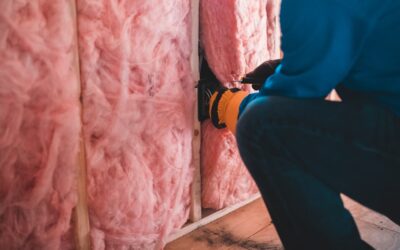
The main selling point is reducing thermal bridging. In a wall, the wood studs conduct heat and cold straight through, bypassing the insulation in the cavities between them. Those studs make up a surprising share of your wall area, and they leak energy year-round. Insulated siding wraps the entire exterior in a continuous layer of foam, covering the studs and blanketing the whole wall with a consistent thermal barrier.
This continuous insulation, on top of your existing wall insulation, reduces heat loss in winter and heat gain in summer, easing the load on your heating and cooling systems. The effect is modest but real, and it works across the entire wall surface rather than just the cavities.
Understanding the R-Value
Insulated vinyl siding typically adds an R-value between R-2 and R-4, depending on the foam thickness. That may sound small compared to the R-13 to R-21 inside your walls, but because it is continuous, it delivers more benefit than the number suggests by eliminating the thermal bridges. The added R-value is a supplement to, not a replacement for, proper wall cavity insulation.
Thicker foam profiles offer higher R-values and better contour support. When comparing products, ask for the specific R-value and confirm whether it is the added value of the foam alone or a combined system rating.
Beyond Energy: Other Benefits
Energy savings are only part of the story. Insulated siding offers several practical advantages over standard vinyl:
- Straighter, more premium appearance — the foam backing supports the panel fully, so it lies flat against the wall and resists the wavy, rippled look cheap vinyl can develop.
- Greater impact resistance — the rigid backing helps the siding shrug off hail, ladders, and stray baseballs without cracking or denting.
- Noise reduction — the foam dampens outside noise, noticeably quieting homes near busy roads.
- Reduced pest harborage — filling the gap behind the panel leaves less space for insects to nest.
- Fewer visible seams — the rigidity allows for cleaner installation with less panel movement over time.
The Cost Difference
Insulated vinyl siding costs more than standard vinyl, both in material and slightly in labor because the panels are heavier and thicker. Here is a general comparison for installed cost:
- Standard vinyl siding: roughly $4 to $8 per square foot installed.
- Insulated vinyl siding: roughly $6 to $12 per square foot installed.
For a typical 2,000-square-foot home with about 1,500 square feet of wall area, standard vinyl might run $6,000 to $12,000, while insulated siding runs $9,000 to $18,000. The premium is real, generally adding 20 to 50 percent to the material cost.
Energy Savings and Payback
How quickly the extra cost pays back depends on your climate, energy prices, and how leaky your walls were before. In regions with extreme heat or cold and high energy costs, insulated siding can trim heating and cooling bills by a modest percentage, and the payback may come over 8 to 15 years. In mild climates with low energy prices, the pure energy payback is slower.
That said, focusing only on energy payback undersells it. Many homeowners choose insulated siding for the better appearance, durability, and noise reduction, treating the energy savings as a bonus rather than the sole justification.
When Insulated Siding Makes Sense
Insulated vinyl siding is the smart choice if:
- You live in a climate with harsh winters or hot summers where the continuous insulation earns its keep.
- Your walls have little or no existing insulation, so the added R-value has a bigger relative impact.
- You want the straightest, most premium-looking vinyl finish.
- You live near a busy road or airport and value noise reduction.
- You are re-siding anyway and want to upgrade the home’s performance while the walls are exposed.
When Standard Vinyl Is Enough
Standard vinyl may be the better value if you are in a mild climate, your walls are already well insulated, or your budget is tight. In those cases, spending the premium elsewhere, such as on higher-quality standard vinyl or adding house wrap and separate rigid foam sheathing, may deliver more value. In fact, installing dedicated exterior foam board under standard siding can achieve a higher R-value than integrated insulated siding, though it adds labor.
Installation Matters
Whichever you choose, installation quality determines performance. Insulated siding must be installed over a proper weather-resistant barrier, with correct flashing around windows and doors. Because the panels are thicker, trim details and window returns need planning. Always hire an experienced installer and confirm the product is installed to the manufacturer’s specs, since improper installation can trap moisture and void the warranty.
Moisture Management and Durability
One concern homeowners raise about insulated siding is moisture. Because the foam is bonded to the siding, water that gets behind it must be able to escape rather than get trapped against the wall. Quality insulated siding is designed with drainage in mind, and the EPS foam used is permeable enough to allow the wall to dry. Proper installation over a weather-resistant barrier is essential, and this is where hiring an experienced installer pays off.
In terms of durability, insulated vinyl generally outperforms standard vinyl. The foam backing makes panels far more resistant to cracking from impact and to the warping and buckling that plague thin hollow vinyl in extreme heat. Most insulated siding carries a strong warranty, often lifetime and prorated, covering fading and manufacturing defects. Vinyl in general is low-maintenance, needing only an occasional rinse, and it never needs painting, which is part of the appeal of the whole category.
Does It Affect Home Value?
Re-siding is consistently one of the better home-improvement projects for return on investment, and insulated vinyl adds a marketable energy-efficiency angle. Buyers appreciate a home with newer siding that will not need attention for years, and the promise of lower utility bills is a genuine selling point in cold or hot climates. The straighter, more premium appearance of insulated siding also boosts curb appeal compared to wavy budget vinyl.
That said, you are unlikely to recoup the full premium of insulated over standard vinyl purely at resale in a mild climate. The stronger case is for homeowners who plan to stay several years and will personally enjoy the energy savings, comfort, and quiet. If you are re-siding to sell soon, weigh whether the appearance and efficiency story justifies the extra cost in your specific market.
The Bottom Line
Vinyl siding with insulation is a worthwhile upgrade for many homes, delivering modest energy savings, a straighter and more durable finish, better noise control, and improved impact resistance. It costs 20 to 50 percent more than standard vinyl, so the strongest case is in harsh climates, on under-insulated homes, or for homeowners who value the premium look and quieter interior. Weigh your climate, your existing insulation, and your budget, and if you are re-siding anyway, the incremental cost often buys real, lasting comfort.
Frequently Asked Questions
What is fanfold insulation under vinyl siding?
Fanfold is a thin foam board, usually 1/4 to 1/2 inch thick, that comes in accordion-folded panels and is stapled over the wall sheathing before standard vinyl siding goes on. It mainly creates a flat, even backing and adds a small amount of insulation, roughly R-1 for the thinnest boards. It is a budget alternative to insulated siding, which bonds thicker foam to each panel.
Can insulation be added behind existing vinyl siding?
Yes. Installers can remove a course of siding, drill small holes through the sheathing and blow cellulose or fiberglass into empty wall cavities, then reinstall the siding with no visible patches. This works well in older homes with little or no wall insulation. Adding foam behind the siding itself requires removing all of it, so continuous foam is usually installed only during a full re-side.
Can insulated vinyl siding be installed over existing siding?
Insulated vinyl siding can often go over flat, sound wood or fiber cement siding once loose boards are fastened and a weather-resistant barrier is added, though window and door trim must be extended for the extra thickness. Old vinyl or aluminum siding is normally removed first. Hidden rot or moisture problems should be fixed before covering anything, so an inspection of the old siding is a smart first step.
What styles does insulated vinyl siding come in?
Insulated vinyl siding is most widely sold in traditional lap and Dutch lap profiles, and some product lines also offer board and batten or wider plank styles. Color ranges match standard vinyl, including darker shades, since the foam backing helps panels resist the heat distortion dark colors can cause. Availability varies by manufacturer, so check which profiles each line offers before choosing.