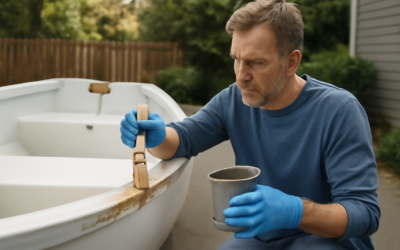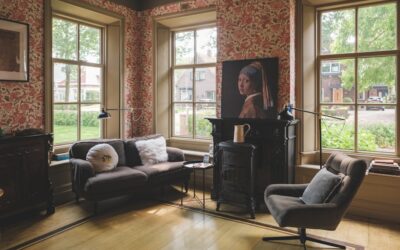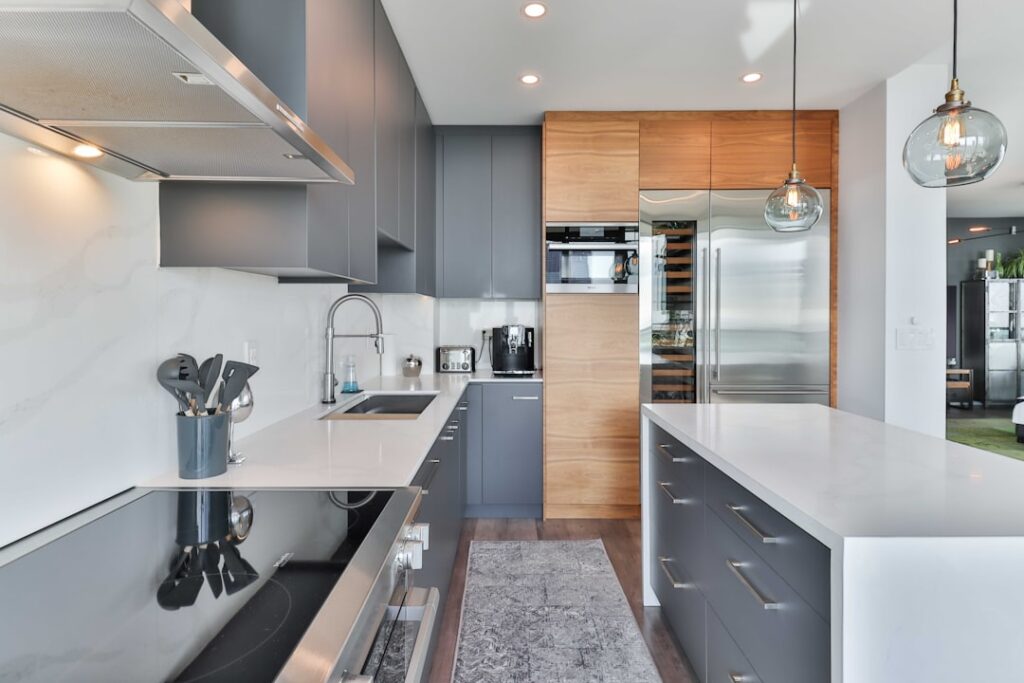
Pure white cabinets look crisp in a showroom but often feel stark and show every fingerprint in real life. Antique white cabinets soften the palette with a creamy undertone that hides wear, warms up natural light, and pairs beautifully with both traditional and transitional styles. The “antique” effect usually comes from one of two approaches: choosing an off-white paint with inherent warmth, or layering a glaze over white paint to settle color into the profile details. This guide covers the paint colors that deliver authentic antique white tones, the glazing techniques that age cabinets without overdoing it, and the practical details of costs, durability, and care.
What Makes a Cabinet “Antique White”
Antique white is not a single color. It is a family of warm off-whites with yellow, beige, or gray undertones that mimic the look of painted cabinetry aged over decades. Unlike pure whites such as Benjamin Moore Chantilly Lace, antique whites read warm and forgiving in almost any light. They work especially well with:
- Warm wood flooring (oak, hickory, walnut)
- Cream or beige tile
- Brass and oil-rubbed bronze hardware
- Granite or quartz with warm veining
- Raised-panel or shaker door profiles where the color can pool in the recesses
Top Paint Colors for Antique White Cabinets
Each major brand offers antique white options with slightly different undertones.
Benjamin Moore
- Cloud White (OC-130): Slight warm cream undertone. The most popular cabinet color for antique white looks.
- Simply White (OC-117): Cleaner and brighter, with just enough warmth to avoid looking clinical.
- White Dove (OC-17): A true soft white with a gray-beige undertone.
- Navajo White (OC-95): More pronounced yellow-cream tone for a traditional antique look.
Sherwin-Williams
- Alabaster (SW 7008): Warm with a subtle hint of cream. One of the most-requested cabinet colors nationally.
- Creamy (SW 7012): A more pronounced cream with a slight yellow base.
- Divine White (SW 6105): A beige-leaning antique white that pairs well with warm-toned countertops.
- Dover White (SW 6385): Softer yellow undertone with classic traditional appeal.
Farrow and Ball
- All White (2005): Warm white with subtle depth.
- Wimborne White (239): Creamier with a slight pink undertone.
- Old White (4): A gray-green antique tint inspired by aged lime wash.
Glazing for Extra Depth
Glazing takes a solid paint color and adds a translucent layer that settles into recesses, edges, and carved details. The result looks like natural aging, with depth that solid paint alone cannot produce.
Types of glaze
- Water-based glaze: Easy cleanup, fast dry. General Finishes Pitch Black or Van Dyke Brown glaze, about $25 a quart.
- Oil-based glaze: Longer open time for more manipulation. Better for DIYers who want to adjust the effect before it dries.
- Tinted wax: Softer look, good for shabby-chic effects. Annie Sloan Dark Wax runs $27 a can.
How to glaze cabinet doors
- Paint cabinets with the antique white color of your choice. Allow 24 hours to cure.
- Apply glaze with a chip brush, working one door at a time.
- Before the glaze skins over (usually 3 to 5 minutes for water-based), wipe with a clean cotton rag in the direction of the grain. Leave glaze in the recesses, crevices, and along edges.
- Use a dry brush to soften any hard edges where glaze meets bare paint.
- Allow the glaze to dry fully (6 to 24 hours depending on product).
- Topcoat with a water-based polyurethane to protect the finish. General Finishes High Performance Topcoat in Satin is the pro favorite.
Cost to Get Antique White Cabinets
Costs vary with the approach.
- DIY paint on existing cabinets: $200 to $500 in materials for a typical kitchen.
- Professional cabinet painting: $3,000 to $7,000 for a 10×12 kitchen.
- Pro paint plus glaze: Adds $800 to $1,500 to the above.
- New stock boxes with factory-applied finish: $4,000 to $10,000.
- New semi-custom boxes with glazing: $15,000 to $35,000.
Matching Countertops and Backsplash
The cabinet finish sets the undertone for the rest of the kitchen. Match the countertop and backsplash to the paint’s undertone.
- Warm cream cabinets: Cream-veined quartz (Caesarstone Ginger, Cambria Brittanicca Warm), travertine backsplash, warm brass hardware.
- Gray-white cabinets: White quartz with subtle gray veining (MSI Calacatta Laza), marble subway backsplash.
- Yellow-cream cabinets: Honey-toned granite, glazed ceramic backsplash in beige or terracotta.
Hardware Choices
Hardware finishes shift the perceived temperature of creamy off-white cabinets significantly.
- Oil-rubbed bronze: Traditional and rich. Pairs well with glazed cabinets.
- Satin brass or unlacquered brass: The most popular 2020s choice. Warms up cream undertones.
- Polished nickel: Cooler but still warm enough to work with cream. Good for transitional kitchens.
- Black iron: Creates strong contrast. Best with glazed cabinets in farmhouse or country settings.
- Chrome: Risky. Can make antique white read dingy rather than intentional.
Durability and Care
Painted off-white cabinets handle daily use well if the paint is cured properly and protected with the right topcoat.
- Allow full cure time. Most cabinet paints dry in hours but take 21 to 30 days to fully cure. Avoid hard use during the first month.
- Use soft microfiber cloths for cleaning. Avoid abrasive scrubbers.
- Wipe spills immediately. Coffee, wine, and oil can stain warm-toned paints if they sit.
- Clean with a diluted mild soap. Avoid ammonia and harsh degreasers.
- Touch up nicks with leftover paint within the first two years. After that, the paint settles into a slightly different tone.
Common Mistakes to Avoid
- Skipping primer. Bare wood and old stain bleed through white paint quickly. Use Zinsser BIN shellac primer or Sherwin-Williams Extreme Bond.
- Using wall paint instead of cabinet-grade enamel. Cabinet paints like Benjamin Moore Advance and Sherwin-Williams Emerald Urethane Trim Enamel dry harder.
- Applying glaze with too heavy a hand. The goal is subtle aging, not a coating of dirt.
- Picking a white based on the chip in the store rather than the actual light in your kitchen.
- Forgetting to topcoat glazed cabinets. Glaze alone wipes off over time.
Is Antique White Still in Style
Pure bright white peaked in the mid-2010s and has steadily given way to warmer tones. Antique white cabinets are solidly in style as of 2026 and look less dated than stark white will in another five years. The warm neutral palette also stages well for resale, which matters for any remodel you might recoup at sale.
Sample the Paint First
Every paint company sells pints or peel-and-stick samples for $5 to $10. Paint a 12×12 inch test on a spare cabinet or a piece of primed plywood and view it at different times of day. Morning sun, afternoon shade, and evening lamp light can make the same “antique white” look like three different colors. Pick the one that still looks right in all three conditions.
Antique white cabinets offer a warmer, more forgiving alternative to stark white that fits traditional, transitional, and farmhouse kitchens equally well. Pick a paint with the right undertone for your light, add a light glaze if you want extra depth, and protect the finish with a quality topcoat. Done right, the look ages gracefully and stays current long after sharper white trends have faded.