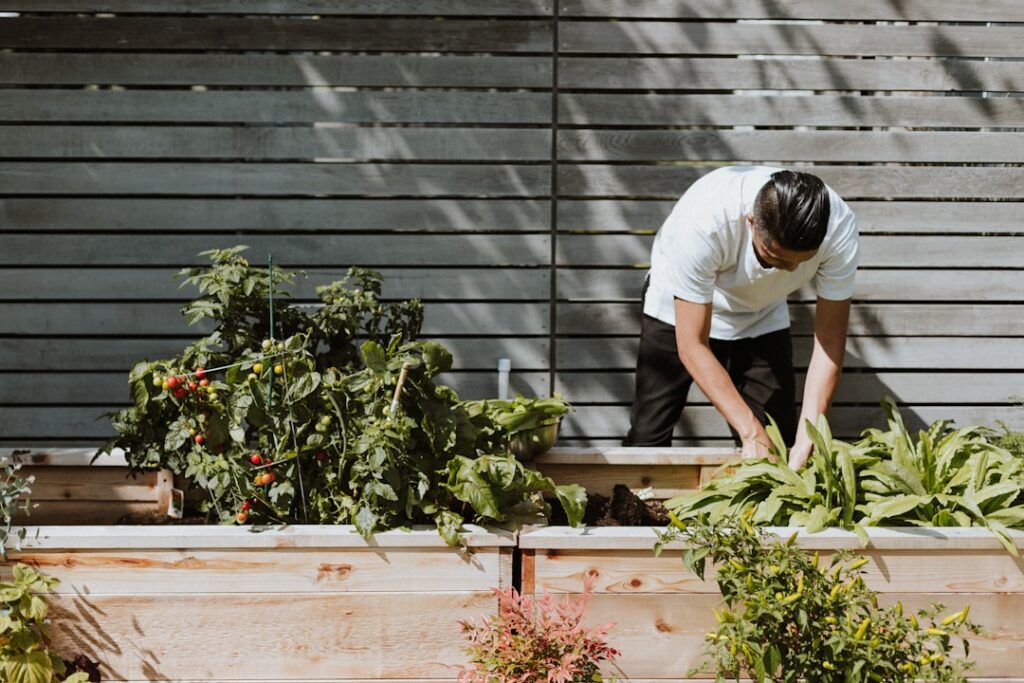
You do not need a yard to grow food — you need six hours of light and a few good containers. Apartment gardening has quietly become one of the most productive ways to grow, precisely because the limits force smart choices: no wasted rows, no lawn to fight, every square foot doing a job. A single sunny balcony can produce tomatoes, herbs, peppers, and greens all season, and a bright windowsill can keep fresh basil on your counter through winter. The trick is working with the constraints instead of against them.
- Start by Reading Your Light
- Choose the Right Containers
- Use the Right Soil — Never Garden Dirt
- Grow Up, Not Out
- The Best Crops for Small Spaces
- Watering: The Make-or-Break Skill
- Renter-Friendly and Neighbor-Friendly Setups
- Feeding Plants in Containers
- Managing Pests in a Small Space
- Extend the Season Indoors
Start by Reading Your Light
Light is the first thing to solve because you cannot fake much of it. Spend a day noting where the sun actually lands. A south-facing balcony or window is the jackpot, delivering the six-plus hours that fruiting crops demand. East-facing gets gentle morning sun, good for greens and herbs. North-facing stays shaded and limits you to leafy crops and a few tolerant houseplants.
If your brightest spot still falls short, a clip-on LED grow light closes the gap. A decent full-spectrum panel runs $25 to $50 and, set on a timer for 12 to 14 hours a day, will grow herbs and lettuce on a dim kitchen counter through the darkest months. Do not skip the timer — plants want a consistent day length.
Choose the Right Containers
Container choice quietly decides whether your plants thrive or struggle, because a pot that is too small dries out and stunts roots. Match the container to the crop.
- Herbs and lettuce: 6- to 8-inch pots, or a long windowsill trough
- Peppers, bush beans, compact tomatoes: 3- to 5-gallon pots or grow bags
- Full-size tomatoes: 7- to 10-gallon minimum — bigger is genuinely better here
- Root crops like radishes and carrots: at least 8 to 12 inches deep
Fabric grow bags ($8 to $12) are the apartment gardener’s best friend: they air-prune roots, drain well, and fold flat for storage in the off-season. Whatever you use, every container needs drainage holes. A pot without them drowns roots after the first heavy watering.
Use the Right Soil — Never Garden Dirt
Scooping soil from a park bed into a pot is a classic beginner mistake; it compacts into a brick and suffocates roots. Containers need a light, fluffy potting mix designed to hold moisture while still draining. A quality bagged mix runs $10 to $15 for a 1.5-cubic-foot bag, enough for several containers.
Because you water often and it flushes nutrients out, mix in a slow-release organic fertilizer at planting and refresh the top inch of mix each season. Reusing old mix is fine for a second year if you revitalize it with a few handfuls of fresh compost.
Grow Up, Not Out
Vertical space is the apartment gardener’s secret weapon. When floor space runs out, the walls and railings are still empty. A railing planter clips over a balcony rail and adds a whole row of herbs without touching the floor. Wall-mounted pocket planters, tiered plant stands, and a simple trellis let vining crops climb instead of sprawl.
Cherry tomatoes, cucumbers, and pole beans all climb happily up a $15 trellis or a length of netting, turning a two-foot footprint into a six-foot productive column. Hanging baskets overhead put strawberries and trailing herbs in otherwise dead airspace.
The Best Crops for Small Spaces
Some plants reward container life far more than others. Focus your space on high-value, high-yield crops you would actually pay for at the store.
Herbs Earn Their Keep
Fresh herbs are expensive to buy and trivial to grow, which makes them the best return on a windowsill. Basil, mint, chives, parsley, thyme, and cilantro all thrive in small pots. Mint is so vigorous it must stay contained — never plant it in a shared pot or it takes over.
Harvest herbs often and correctly to keep them productive. Pinch or snip from the top of the plant just above a leaf pair, and the plant branches out and grows bushier rather than tall and leggy. Regular harvesting is not just for the kitchen — it is what keeps the plant compact and generous, so a well-used basil plant far outproduces a neglected one. Snip herbs before they flower, since flowering signals the plant to slow leaf production and, in the case of basil and cilantro, can turn the leaves bitter.
Compact Vegetables
- Cherry tomatoes like ‘Tiny Tim’ or ‘Patio’ — bred for pots, huge yields
- Peppers — compact, productive, and ornamental
- Leaf lettuce and spinach — cut-and-come-again for weeks
- Bush beans and radishes — fast, easy confidence builders
- Green onions — regrow endlessly from grocery-store scraps in water
Watering: The Make-or-Break Skill
Containers dry out far faster than garden beds — sometimes twice a day in midsummer heat — so watering is where most apartment gardens live or die. Check daily by pushing a finger an inch into the soil; water when it feels dry at that depth, and water until it runs freely from the drainage holes.
A few habits make this manageable. Group pots together so they shade each other’s soil and hold humidity. Use self-watering containers with a reservoir for thirsty plants if you travel. And put a saucer under indoor pots, but empty it after watering — plants sitting in standing water rot. On a hot balcony, morning watering beats evening, giving plants a full charge before the day’s heat.
Renter-Friendly and Neighbor-Friendly Setups
You want a garden you can pack up without losing your deposit. Keep everything in freestanding containers rather than drilling into walls or railings, and set pots on saucers or a waterproof mat so runoff never stains the balcony or drips onto the neighbor below — the fastest way to a complaint. Check your lease and building rules before hanging anything on a shared railing.
Weight matters too, especially on older balconies. Wet soil is heavy, so cluster large containers over structural supports near the wall rather than out at the edge, and choose lightweight fabric bags or plastic pots over heavy ceramic where you can.
Feeding Plants in Containers
Container plants depend entirely on you for nutrition, because unlike a garden bed there is no deep soil reservoir to draw from, and frequent watering flushes nutrients out the drainage holes. Start by mixing a slow-release granular fertilizer into the potting mix at planting, which feeds gently for the first couple of months. From there, supplement with a diluted liquid fertilizer every two to four weeks during the growing season for heavy feeders like tomatoes and peppers.
Watch the plants for signals rather than fertilizing blindly. Pale, yellowing lower leaves often mean the plant is hungry for nitrogen, while stalled growth can signal depleted mix. Fish emulsion and seaweed-based liquid feeds are apartment-friendly organic options, though the fish version has an odor that fades quickly outdoors — a consideration on a small balcony. Refresh the top inch of mix and add fresh compost each season to keep the soil alive.
Managing Pests in a Small Space
Pests find balcony gardens too, but the confined scale actually makes them easier to control. Inspect your plants every few days, flipping leaves to catch aphids, spider mites, and whiteflies before they multiply. Because you are working with just a few plants, hand-picking and a strong spray of water handle most problems without chemicals.
For persistent infestations, insecticidal soap or neem oil — both mild and available for a few dollars — knock down soft-bodied pests without harming you or your harvest. Good airflow between pots discourages the fungal problems that thrive in stagnant, humid corners, so resist crowding plants too tightly. Bringing plants indoors for winter is a common way to import pests, so inspect and, if needed, treat any plant before it crosses the threshold. Small space means small problems when you stay observant.
Extend the Season Indoors
One of the quiet joys of apartment gardening is that the whole operation can move inside when the weather turns. Herbs, greens, and green onions carry on all winter under a grow light on a counter or shelf. Before the first frost, bring in your best herb pots, trim them back, and set them in your brightest window.
Start seeds indoors in late winter to get a jump on spring, using the same grow light. A $20 seed-starting setup on a shelf turns January into planting season and gives you stronger, cheaper plants than the nursery come spring. Small space, year-round harvest — that is the real payoff, and it fits on a single sunny windowsill.