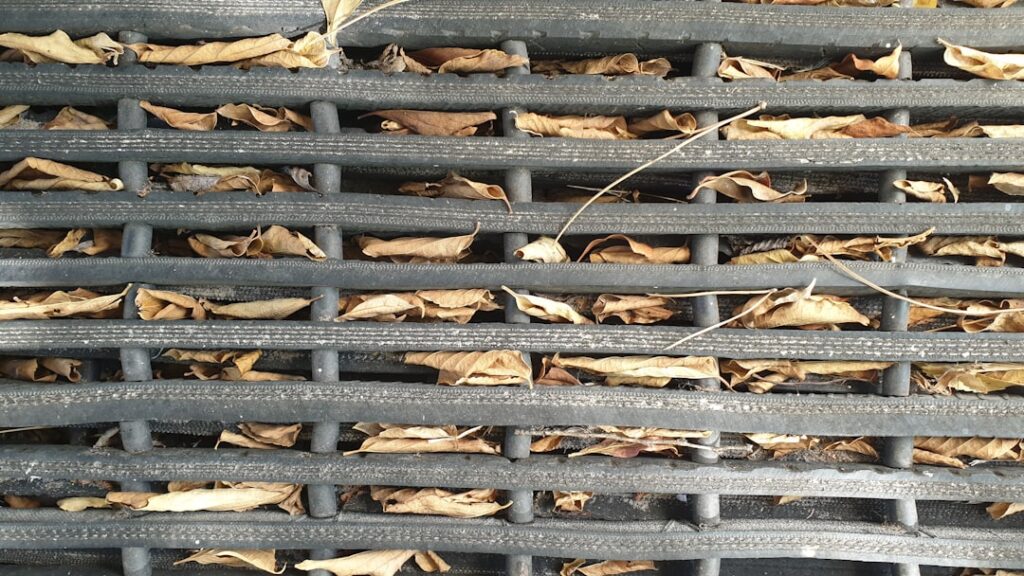
Every fall, homeowners staring up at clogged, overflowing gutters ask the same question: are gutter guards worth it, or are they an overpriced gimmick? The honest answer from someone who has installed and cleaned both kinds is: it depends on your trees, your roof, and which product you buy. Good guards on the right house pay for themselves. Cheap guards on the wrong house create new problems.
- What Gutter Guards Actually Do
- The Real Cost of Gutter Guards
- Comparing That to Cleaning Costs
- When Gutter Guards Are Clearly Worth It
- When They’re Not Worth It
- Do They Actually Keep Gutters Clean?
- The Hidden Downsides
- How Long Before Guards Pay for Themselves
- What the Warranties Really Cover
- Choosing a Guard That’s Actually Worth the Money
- DIY Guards vs. Professional Systems
- The Bottom Line
Let’s cut through the sales pitch and look at what these things actually cost, what they genuinely stop, and where they fall short.
What Gutter Guards Actually Do
A gutter guard is a cover over the gutter trough that lets water in while keeping debris out. The goal is simple: stop leaves, pine needles, and shingle grit from filling the gutter so water keeps flowing to the downspouts. When they work, they save you from climbing a ladder two or three times a year and prevent the overflow that rots fascia, floods basements, and undermines foundations.
What they don’t do is make a gutter maintenance-free. Even the best guard needs an occasional rinse and inspection. Any company promising you’ll never touch your gutters again is overselling.
The Real Cost of Gutter Guards
Price is the first thing to weigh. Costs vary wildly by type and whether you DIY or hire out:
- DIY plastic screens and foam inserts: $0.50 to $2 per linear foot, or roughly $100 to $400 in materials for an average home.
- DIY aluminum micro-mesh: $2 to $4 per foot in materials.
- Professionally installed mid-grade guards: $5 to $10 per foot installed.
- Premium branded reverse-curve and micro-mesh systems (LeafFilter, Gutter Helmet, etc.): $15 to $30-plus per foot installed, often $2,000 to $6,000 for a whole house.
For a typical home with 150 to 200 feet of gutter, a premium professional install runs $3,000 to $6,000. That’s the number that makes people hesitate, and rightly so.
Comparing That to Cleaning Costs
Here’s the math that decides it. A professional gutter cleaning costs $150 to $350 per visit, and heavily treed homes need two or three cleanings a year, call it $300 to $700 annually. A $4,000 guard system, then, pays back in roughly 6 to 12 years against cleaning bills alone.
That’s a long payback, but it’s not the whole picture. Factor in the value of not climbing a ladder yourself, avoiding a single water-damage repair (rotted fascia runs $500 to $2,000; a flooded basement far more), and the extended life of your gutters, and the calculus shifts. For a two-story home where DIY cleaning is genuinely dangerous, guards look a lot smarter.
When Gutter Guards Are Clearly Worth It
Guards make the most sense in these situations:
- You’re surrounded by mature trees that dump leaves, seeds, and needles constantly.
- You have a two-story or steep roof where DIY cleaning is dangerous and pro cleaning is expensive.
- You’re physically unable to climb ladders safely.
- You’ve had water damage from overflowing gutters and want to stop it for good.
- You plan to stay in the home long enough to reach the payback.
When They’re Not Worth It
Be honest about these cases where guards disappoint:
- Few or no overhanging trees. If your gutters barely clog, you’re paying thousands to solve a minor problem.
- You’re planning to move soon. Guards rarely return their cost at resale.
- You buy the cheapest plastic screens. These sag, pop off in storms, and let fine debris through, sometimes making clogs worse and harder to clean.
- Heavy pine needle or seed-pod load. Fine debris defeats many guard designs, and the wrong mesh size clogs on top.
Do They Actually Keep Gutters Clean?
This is where honesty matters. Quality micro-mesh and reverse-curve guards block the vast majority of leaves and debris, cutting cleaning frequency dramatically. But no guard is perfect. Fine shingle grit, pollen, and tiny seeds still work through or collect on top, especially with pine needles. You’ll go from cleaning three times a year to inspecting once a year, not to zero maintenance. Anyone claiming otherwise hasn’t been on enough roofs.
The Hidden Downsides
A few things the salesperson won’t mention:
- Ice dams and snow: in cold climates, some guard styles can trap ice and make dams worse.
- Warranty fine print: “lifetime” warranties often require the original company to service the system, and they may not be around in 15 years.
- Roof warranty: guards that slide under shingles can void a roofing warranty. Check first.
- Debris on top: when leaves pile on a guard in a dry spell, water can sheet right over the top during heavy rain.
How Long Before Guards Pay for Themselves
Run your own payback math before buying, because it varies enormously by house. Take the installed cost and divide it by what you’d otherwise spend cleaning per year. A $4,000 system against $600 a year of cleaning pays back in about seven years. That same system against $200 a year of cleaning takes 20 years, which likely outlasts your ownership.
The break-even shifts in guards’ favor when you factor in the harder-to-price benefits: not risking a fall from a two-story ladder, avoiding a single $1,500 fascia-rot repair, and adding years to the gutters themselves by keeping them from filling with wet, heavy debris. For a homeowner who would otherwise pay a pro two or three times a year for a tall, tree-shrouded house, the payback is real. For a low, tree-free ranch, it rarely pencils out.
What the Warranties Really Cover
The “lifetime, no-clog” warranties in the sales pitch deserve scrutiny. Many are prorated, transfer poorly at resale, and require the original installer to perform any warranty service, which does you no good if that company folds in ten years. Some warranties are voided if anyone else touches the gutters. Read the fine print, and weigh a national brand’s guarantee against a solid local installer who’ll actually answer the phone. A warranty is only as good as the company standing behind it, and gutter-guard firms come and go.
Choosing a Guard That’s Actually Worth the Money
If you decide to buy, quality determines whether you’re happy in five years:
- Stainless micro-mesh on an aluminum frame is the best all-around performer for mixed debris.
- Avoid flimsy plastic snap-in screens and foam inserts, which degrade in UV and hold moisture.
- Get multiple quotes; the premium brands’ prices are negotiable and often inflated.
- Make sure installation includes cleaning and resloping the gutters first.
DIY Guards vs. Professional Systems
Cost isn’t only about the product; it’s about who installs it. A motivated homeowner can install aluminum screen or micro-mesh guards for materials cost alone, roughly $100 to $600 for a whole house, and get 80 percent of the benefit of a premium system. The premium branded systems charge $3,000 to $6,000 largely for professional installation, custom fitting, and the warranty. If you’re comfortable on a ladder and handy with a drill, DIY micro-mesh is far and away the best value and closes the payback gap dramatically. If climbing a two-story roof edge terrifies you, that’s exactly the situation where paying a pro, and getting guards so you rarely go up there again, makes the most sense.
The Bottom Line
So, are gutter guards worth it? For a heavily treed, two-story home where cleaning is dangerous or costly, a quality micro-mesh system is usually worth it despite the long payback, mostly for the safety and water-damage prevention. For a single-story house with few trees, or if you’re moving soon, skip them and just clean the gutters. The are gutter guards worth it question really comes down to how much debris your roof catches and how much you value staying off a ladder. Match the product quality to your tree load, and don’t buy the most expensive system just because a salesperson is standing in your driveway.