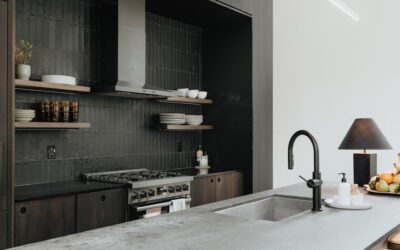
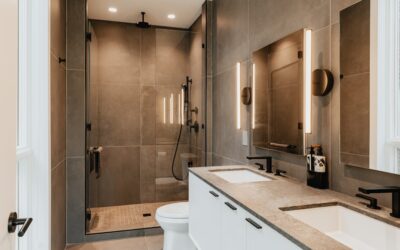
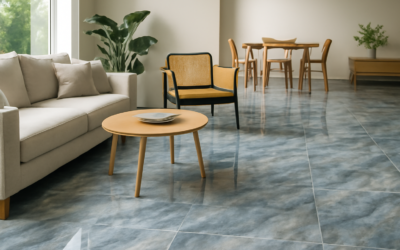
Walk into any tile showroom in Westchester County and you’ll quickly realize that “tile” covers an enormous range of materials, finishes, and price points. Shopping for artistic tile White Plains homeowners covet means navigating decorative ceramics, hand-glazed accents, natural stone mosaics, and large-format porcelain all in one trip. This guide walks you through what to look for, how to evaluate a showroom, and the questions that separate a smooth renovation from an expensive headache. Whether you’re tiling a kitchen backsplash or a full bathroom, knowing how to shop matters as much as the tile itself.
- What "Artistic Tile" Actually Means
- Why White Plains Is a Strong Market for Tile Shopping
- What to Look For in a Tile Showroom
- Questions to Ask Before You Buy
- Budgeting for Your Tile Project
- Comparing Local Shops vs. Online and Big-Box
- Planning the Visit and Verifying Details
- Coordinating Tile With the Rest of Your Project
- Timing Your Tile Project
What “Artistic Tile” Actually Means
The phrase gets used loosely. Some shoppers mean the well-known luxury tile brand carried by upscale dealers; others simply mean decorative, design-forward tile with hand-finished glazes, intricate mosaics, or custom patterns. Either way, the category sits above the basic builder-grade ceramic you’d find at a big-box store. Expect deeper color saturation, more consistent edges, and design collections built around a coherent look.
When you’re shopping in the White Plains area, ask the showroom directly which lines they carry and whether a particular pattern is a stocked item or a special order. Custom and hand-glazed pieces can carry lead times of four to twelve weeks, so the difference matters if you’re working against a contractor’s schedule.
Why White Plains Is a Strong Market for Tile Shopping
As the commercial hub of Westchester County, White Plains sits within easy reach of a dense cluster of design showrooms, kitchen-and-bath dealers, and stone yards across the lower Hudson Valley. That density works in your favor. You can realistically visit three or four retailers in a single Saturday, compare samples side by side, and avoid committing to the first attractive display you see.
Because the region serves both homeowner renovations and trade professionals, many local showrooms keep designers on staff. That access to design help is one of the biggest advantages of buying locally rather than ordering tile sight-unseen online.
What to Look For in a Tile Showroom
A good showroom does more than stack boxes. Use these signals to judge quality:
- Large displayed samples: A 12-by-12-inch chip tells you little. Look for vignettes or full-wall mockups so you can judge how a pattern reads at scale.
- Loaner samples: Reputable shops let you take a few tiles home to view under your own lighting. Tile color shifts dramatically between fluorescent showroom light and a north-facing bathroom.
- Clear material labeling: Porcelain, ceramic, and natural stone behave very differently. The staff should know the PEI wear rating and water absorption of anything they sell.
- Trim and finishing pieces: Ask whether bullnose, pencil liners, and matching grout are available. Missing trim pieces derail more installations than the field tile ever does.
Questions to Ask Before You Buy
Bring a short list and don’t be shy. The answers reveal whether a retailer is genuinely helpful or just moving inventory:
- Is this tile in stock, or is it a special order? What’s the lead time?
- What’s the price per square foot, and does that include trim and mosaics?
- Is the lot number consistent across the boxes I’m buying? (Dye-lot variation causes visible color banding.)
- What’s your return policy on unopened, full boxes? Most shops accept returns; most also charge a restocking fee.
- Do you recommend installers, and are they licensed and insured for work in Westchester County?
That last question is important. Many showrooms maintain a list of trusted installers, but the tile retailer and the labor are usually separate transactions. Confirm who is responsible if something goes wrong.
Budgeting for Your Tile Project
Pricing varies widely, but it helps to walk in with realistic numbers. Basic glazed ceramic field tile often runs $2 to $7 per square foot. Mid-range porcelain typically lands between $5 and $15. Decorative, hand-finished, or natural stone mosaics can climb from $20 to well over $50 per square foot, especially for accent strips and feature walls.
Always buy 10 to 15 percent more than your measured square footage to cover cuts, breakage, and future repairs. Holding back a few spare tiles from the same lot is the cheapest insurance you’ll ever buy, because matching a discontinued pattern years later is nearly impossible. Factor installation separately; tile labor in the White Plains area frequently costs as much as or more than the material itself.
Comparing Local Shops vs. Online and Big-Box
Online retailers and warehouse stores win on raw price, but they fall short on the things that actually protect your project. You can’t hold an online sample under your own lights, you can’t confirm dye-lot consistency until the pallet arrives, and you’re on your own for trim matching. Local showrooms cost a little more but deliver design guidance, hands-on samples, and a real person to call when an order is short.
A practical hybrid strategy works well: use local showrooms to finalize your selection and confirm exact products, then compare pricing across local and online sources for that specific tile. Just verify the SKU and finish match exactly before you order anywhere.
Planning the Visit and Verifying Details
Before you drive out, call ahead. Showroom hours, current inventory, brand availability, and pricing change constantly, and the details listed online are not always current. Confirm that the lines you’re interested in are actually in stock and that a designer is available if you want help. Bring your room measurements, a photo of the space, and any fixed elements like cabinet color or countertop samples so you can match in person.
Treat any specific store names, addresses, prices, or hours you find online as a starting point only, and verify current details directly with the retailer before you commit. With a clear plan and the right questions, shopping for artistic tile in the White Plains area becomes an enjoyable part of your renovation rather than a gamble.
Coordinating Tile With the Rest of Your Project
Tile rarely exists in a vacuum. The pattern you fall for at the showroom has to live alongside cabinets, countertops, paint, and fixtures, so bring those elements with you whenever possible. A subway tile that looks crisp against white shaker cabinets can read cold beside warm wood tones, and a busy mosaic that dazzles in isolation may fight a patterned countertop. Lay your samples together, in your home’s light, before committing.
Think about grout as part of the design, not an afterthought. Grout color dramatically changes how tile reads: a matching grout makes the surface look seamless and calm, while a contrasting grout emphasizes each tile’s shape and creates a graphic, bold effect. Ask the showroom for grout samples in a few shades so you can preview the look. Sealed, stain-resistant grout is worth the small upcharge in kitchens and bathrooms where spills are constant.
Timing Your Tile Project
Lead times trip up more renovations than budget does. If you’ve set your heart on a hand-finished or special-order line, find out the realistic delivery window before scheduling your installer, since a four-to-twelve-week wait can leave a torn-out bathroom unusable for over a month. Stocked items let you start almost immediately, which is why many homeowners compromise on a beautiful in-stock porcelain over a dreamy but distant custom order. Confirm everything is on hand and inspected before demolition begins, and you’ll keep your project moving on schedule.
Prefer to explore on your own?
See how new flooring looks in your actual room in seconds — free, no signup.
Try the free Floor Studio →