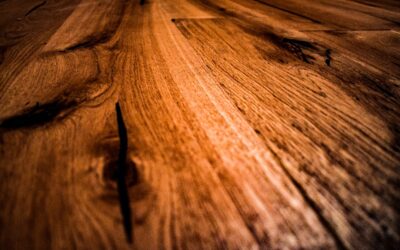
Ash flooring is one of the most underrated hardwoods on the market, offering exceptional durability, striking grain character, and a light, airy aesthetic that brightens any room. Long overshadowed by oak and maple, ash has gained renewed attention from homeowners and designers seeking a distinctive alternative in 2026. With a Janka hardness of 1,320 and dramatic grain patterns reminiscent of high-end European white oak, ash wood flooring deserves serious consideration for your next project. This guide covers everything from species characteristics to pricing and installation.
- What Is Ash Wood Flooring?
- Ash Flooring Janka Hardness Rating
- Ash Flooring Grain Character and Appearance
- Solid vs Engineered Ash Flooring
- Pros and Cons of Ash Flooring
- Ash Flooring vs Oak: A Detailed Comparison
- Ash Flooring Pricing in 2026
- Finishing Ash Floors
- Installation and Maintenance
- Is Ash Flooring Right for You?
What Is Ash Wood Flooring?
Ash flooring comes from trees in the Fraxinus genus, primarily white ash (Fraxinus americana) and green ash (Fraxinus pennsylvanica) in North America. These are the same species used to make baseball bats, tool handles, and furniture, chosen for those applications because of their excellent strength, shock resistance, and flexibility.
As a flooring material, ash shares many qualities with white oak but offers its own distinctive personality. The wood features bold, sweeping grain patterns with pronounced cathedral figures that create visual movement across the floor. Its natural color is pale cream to light tan, making it one of the lightest domestic hardwoods available and an excellent choice for Scandinavian, coastal, and modern design styles.
Ash Flooring Janka Hardness Rating
White ash scores 1,320 on the Janka hardness scale, placing it in the upper tier of North American hardwoods. This rating measures the force needed to embed a steel ball halfway into the wood surface and directly indicates a floor’s resistance to denting and wear.
Janka Comparison With Common Hardwoods
- Brazilian cherry (Jatoba): 2,350 lbf
- Hickory: 1,820 lbf
- Hard maple: 1,450 lbf
- White oak: 1,360 lbf
- White ash: 1,320 lbf
- Red oak: 1,290 lbf
- American cherry: 950 lbf
- American walnut: 1,010 lbf
At 1,320 Janka, ash is harder than red oak and American walnut, nearly as hard as white oak, and significantly harder than cherry. It handles household traffic, pets, and children well, making it a practical choice for active homes. The wood’s natural shock resistance (the reason it is used for baseball bats) also helps it absorb impact without cracking.
Ash Flooring Grain Character and Appearance
Ash wood’s grain is its most distinctive feature and the primary reason many homeowners choose it over other light hardwoods.
Grain Patterns
Ash displays bold, open grain with dramatic cathedral and flame patterns, especially in plain-sawn boards. The contrast between the light earlywood and slightly darker latewood creates a pronounced figure that gives ash floors a lively, dynamic appearance. Quarter-sawn ash has a more subtle, straight grain pattern with occasional ray fleck.
Natural Color Range
The heartwood of white ash ranges from light tan to pale brown, sometimes with a slight grayish or olive cast. The sapwood is nearly white to creamy beige. Most ash flooring blends heartwood and sapwood, creating natural color variation across the floor.
Ash takes stain well thanks to its open grain structure, allowing you to achieve a wide range of looks:
- Natural or clear-coated: Pale, clean, Scandinavian aesthetic
- Light gray wash: Contemporary, coastal vibe
- Medium brown (golden or honey): Warm, traditional warmth
- Dark brown or espresso: Rich, dramatic contrast with the bold grain
- White-washed: Beachy, cottage-style character
When staining ash, the open grain absorbs stain more readily than the denser areas, which can create a two-toned effect. This is often desirable (it accentuates the grain) but test your chosen stain on a sample board first to confirm the effect.
Solid vs Engineered Ash Flooring
Ash flooring is available in both solid and engineered constructions, each suited to different installation scenarios.
Solid Ash Flooring
Solid ash is milled from a single piece of wood, typically 3/4 inch thick. It is installed by nailing or stapling to a wood subfloor.
Advantages:
- Can be sanded and refinished 5 to 7 times over its lifetime
- Authentic solid wood feel and sound
- Traditional installation method well understood by contractors
- Long lifespan of 50 to 100+ years with proper care
Limitations:
- Cannot be installed below grade or over concrete
- More susceptible to moisture-related expansion and contraction
- Not compatible with radiant heating systems
- Limited to nail-down installation over wood subfloors
Engineered Ash Flooring
Engineered ash flooring features a real ash veneer bonded to a multi-layer plywood or HDF core. It can be floated, glued, or nailed down.
Advantages:
- Greater dimensional stability in varying humidity conditions
- Can be installed over concrete, in basements, and with radiant heat
- Multiple installation methods (float, glue, nail)
- Available in wider plank widths with less risk of cupping
Limitations:
- Fewer refinishing cycles depending on veneer thickness
- Quality varies greatly between manufacturers
- Premium engineered ash can cost more than solid
Pros and Cons of Ash Flooring
Advantages
- Excellent hardness: 1,320 Janka provides strong dent and wear resistance for high-traffic areas
- Dramatic grain: Bold cathedral patterns create visual interest that other light woods lack
- Light, bright aesthetic: Natural ash brightens rooms and makes spaces feel larger
- Stain versatility: Open grain accepts stain beautifully for a wide range of color options
- Shock resistance: Superior impact absorption compared to most hardwoods
- Domestic availability: Grown in North America, reducing transportation costs and environmental impact
- Competitive pricing: Often less expensive than white oak or hickory
Disadvantages
- Emerald ash borer threat: The invasive emerald ash borer beetle has devastated ash tree populations across North America, potentially affecting future supply and pricing
- Not naturally water-resistant: Like most hardwoods, ash is susceptible to moisture damage and should not be installed in wet areas without proper precautions
- Bold grain not for everyone: The pronounced grain pattern may be too busy for homeowners who prefer a subtle, uniform look
- Yellowing potential: Natural ash can develop a yellowish cast over time, especially under oil-based finishes
- Limited engineered options: Fewer manufacturers produce engineered ash compared to oak or hickory, narrowing your choices
Ash Flooring vs Oak: A Detailed Comparison
Since oak is the benchmark for hardwood flooring, comparing ash directly helps you understand where each species excels.
Hardness
Ash (1,320 Janka) falls between red oak (1,290) and white oak (1,360). The practical difference in wear resistance between these three species is negligible. All three handle residential traffic well.
Grain Pattern
Ash grain is bolder and more pronounced than oak in most cases. Red oak has a similarly open grain but with less dramatic cathedral patterning. White oak has a tighter, more refined grain with distinctive ray fleck in quarter-sawn cuts. Choose ash if you want maximum grain statement, white oak if you prefer subtlety.
Color
Natural ash is lighter than natural oak, leaning toward cream and white tones rather than oak’s warm gold and tan. Ash provides a brighter, more contemporary base, while oak offers warmer, more traditional tones.
Water Resistance
White oak has superior natural water resistance due to its tyloses-filled pores. Ash pores are open, making it more susceptible to moisture penetration. In kitchens and entryways, white oak has a practical edge.
Availability and Price
Oak is far more widely available than ash, with more species, grades, finishes, and widths to choose from. Ash pricing is typically comparable to or slightly below white oak, but the emerald ash borer crisis may affect supply in coming years.
The Verdict
Choose ash for its dramatic grain, light color, and excellent value. Choose white oak for maximum versatility, water resistance, and the widest range of options. Both are outstanding hardwood floors that will serve you well for decades.
Ash Flooring Pricing in 2026
Ash flooring is competitively priced within the domestic hardwood category. Here is what to expect:
- Solid ash (select grade): $5 to $9 per square foot
- Solid ash (character/rustic grade): $4 to $7 per square foot
- Engineered ash (premium): $6 to $11 per square foot
- Unfinished solid ash: $3 to $6 per square foot
- Professional installation (nail-down): $3 to $6 per square foot
- Sanding and finishing (unfinished): $2 to $5 per square foot
For a typical 500-square-foot project using prefinished solid ash with professional installation, budget between $4,000 and $7,500 total. Engineered ash with click-lock installation done as a DIY project brings the total down to $3,000 to $5,500 for the same area.
Finishing Ash Floors
The finish you choose affects how ash flooring looks and ages. Here are the best options for highlighting ash’s unique character.
Water-Based Polyurethane
Water-based polyurethane preserves ash’s natural pale color without adding amber warmth. It is the best choice if you want to maintain the light, clean look that makes ash distinctive. It dries quickly, has low odor, and is available in matte to high-gloss sheens.
Oil-Based Polyurethane
Oil-based finishes add warmth and amber tones to ash, giving it a more traditional, golden appearance. This can be attractive but also accelerates the yellowing tendency that some ash floor owners find undesirable. If you love warm, honey-toned floors, oil-based polyurethane works beautifully on ash.
Hardwax Oil
Hardwax oil finishes penetrate the wood and enhance the grain texture without building up a plastic film on the surface. They produce a natural, matte appearance that is particularly appealing on ash’s bold grain. Maintenance is more frequent but simpler, with spot repairs possible without sanding the entire floor.
Installation and Maintenance
Ash flooring installs using standard hardwood flooring methods. Solid ash is nailed or stapled to a wood subfloor. Engineered ash can be floated, glued, or nailed depending on the product and subfloor conditions.
Acclimate ash flooring for at least 5 to 7 days in the installation space before beginning work. Maintain indoor humidity between 35% and 55% year-round to minimize seasonal movement.
Routine maintenance includes regular sweeping or vacuuming, damp mopping with a pH-neutral hardwood cleaner, and placing felt pads under furniture. Ash’s excellent hardness means it resists scratching well, but area rugs in high-traffic zones and entry mats to catch grit are still recommended.
Is Ash Flooring Right for You?
Ash flooring is an excellent choice if you want a light, bright hardwood floor with bold grain character and proven durability. It offers outstanding value compared to trendy imported species and performs comparably to the more popular oak and maple options. The main consideration is the uncertain long-term supply due to the emerald ash borer, which could affect pricing and availability in future years. For now, ash remains a compelling, beautiful, and affordable hardwood flooring option that deserves a place on your shortlist.
Prefer to explore on your own?
See how new flooring looks in your actual room in seconds — free, no signup.
Try the free Floor Studio →