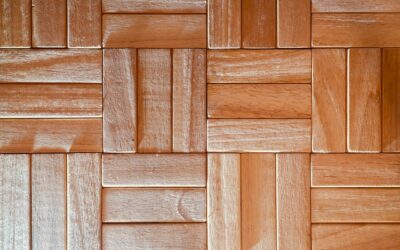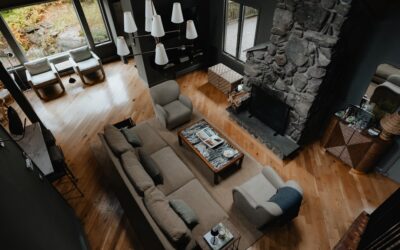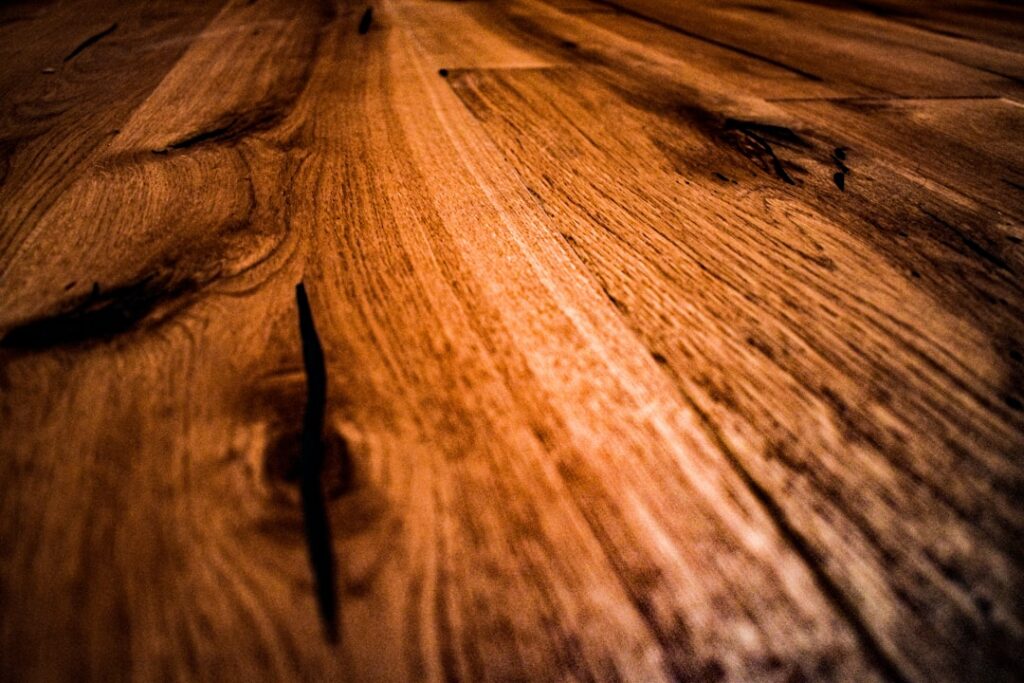
Solid oak flooring is the benchmark of quality in residential flooring. Oak has been the most popular hardwood flooring species for centuries, prized for its beauty, durability, and the way it develops character over time. A solid oak floor installed today can still be serving your grandchildren decades from now, and that kind of longevity makes it one of the smartest investments you can put into a home.
This guide covers the practical details: white oak vs. red oak, grading, finishes, installation, costs, and maintenance, so you can make an informed decision about your solid oak flooring project.
Why Solid Oak?
Solid oak flooring is milled from a single piece of oak timber, typically 3/4 inch thick. Unlike engineered hardwood, there are no layers, no plywood core, and no veneer. It’s oak all the way through. This means:
- Refinishing potential: Solid oak can be sanded and refinished 5 to 7 times or more over its lifetime, allowing you to change the stain colour, repair damage, and restore the floor to like-new condition.
- Proven lifespan: 50 to 100+ years with proper care. Many homes have original solid oak floors that are over a century old and still beautiful.
- Resale value: Real estate professionals consistently rank hardwood (especially oak) as the most desirable flooring feature for home buyers.
- Natural authenticity: The look, feel, and sound of solid oak underfoot is unmistakable. No manufactured product fully replicates it.
White Oak vs. Red Oak
The two main species used for solid oak flooring in North America are white oak and red oak. Despite their names, both species range from light blonde to medium brown, and the differences are subtler than many people expect.
White Oak
- Janka hardness: 1,360
- Grain: Tighter, more linear grain with less pronounced ray fleck
- Colour: Slightly cooler, golden-brown tone. Ages to a warm amber
- Water resistance: Superior to red oak due to closed (tyloses-sealed) pores
- Stain absorption: Accepts stains more evenly, making it ideal for gray, whitewash, and custom colours
- 2026 popularity: Dominant. White oak is the most specified hardwood flooring species by a significant margin
Red Oak
- Janka hardness: 1,290
- Grain: More pronounced grain with visible ray fleck (tiger-stripe pattern)
- Colour: Warmer, pinkish-brown tone. More colour variation between heartwood and sapwood
- Water resistance: Lower than white oak due to open pores
- Stain absorption: Can stain unevenly, especially with gray tones. The pink undertone shows through lighter stains
- 2026 popularity: Still widely available and more affordable than white oak, but less fashionable in current design trends
Which Should You Choose?
If you want a modern, contemporary look with gray, natural, or custom stain colours, choose white oak. If you prefer a traditional, warm-toned floor and want to save money, red oak is a solid choice. Both species are durable enough for any room in the house.
Solid Oak Grading
Grading describes the visual character of the wood. Higher grades are more uniform; lower grades show more natural variation.
Select (or Clear)
The highest grade with the most uniform appearance. Minimal knots, consistent colour, and straight grain. Select oak creates a clean, formal look. It costs the most because a smaller percentage of each log meets this standard.
#1 Common (or Natural)
A balanced grade with moderate colour variation, small knots, and some mineral streaks. This is the most popular grade for residential use because it provides natural character without the extremes of rustic grades.
#2 Common (or Rustic)
Features prominent knots, significant colour variation, wormholes, and mineral deposits. Rustic oak is popular in farmhouse, industrial, and character-rich interiors. It’s the most affordable grade and provides the most visual interest.
Character or Cabin Grade
The most varied grade with large knots (including open knots that are filled with epoxy or putty), sapwood inclusion, and heavy mineral marking. This grade suits homes where the floor’s natural imperfections are celebrated as design features.
Plank Widths
- Strip (2-1/4 inches): The traditional width used in American homes for decades. Creates a busy, detailed floor pattern. Most affordable.
- Plank (3-1/4 to 5 inches): A versatile middle ground that works in both traditional and transitional settings.
- Wide plank (5 to 8+ inches): The current design preference. Shows more grain and character, fewer seams. Requires more careful humidity management in solid format.
For solid oak, widths up to 5 inches are manageable in most climates. Beyond 5 inches, seasonal movement becomes significant, and engineered construction may be the wiser choice unless you can guarantee consistent humidity.
Finishes for Solid Oak
Prefinished vs. Site-Finished
Prefinished solid oak comes with the stain and topcoat already applied at the factory. The finish is cured under UV light, producing a harder coating than site-applied finishes. Installation is cleaner and faster since there’s no sanding, staining, or finish drying time in your home. The trade-off is visible micro-bevels between planks and less flexibility in stain colour.
Site-finished solid oak is installed raw, then sanded, stained, and coated in place. This produces a perfectly smooth, flush surface with no bevels. You can choose any stain colour and customize the sheen. The trade-off is 3 to 5 days of drying time, dust, and fumes during the finishing process.
Finish Types
- Oil-based polyurethane: The traditional choice. Adds a warm amber tone that deepens over time. Durable and widely available.
- Water-based polyurethane: Dries clear without amber shift. More modern in appearance. Slightly less scratch-resistant than oil-based but improves with each coat.
- Hardwax oil: Penetrating finish that produces a natural, matte look. Popular in European-style interiors. Can be spot-repaired.
- UV-cured oil: Factory-applied penetrating oil cured with UV light for enhanced hardness. Available on prefinished products.
Sheen Levels
- Matte: Most current and popular. Hides scratches and dust.
- Satin: Slight sheen. A versatile middle ground.
- Semi-gloss: Moderate shine. Traditional feel.
- Gloss: High shine. Shows every scratch and dust particle. Rarely used in 2026.
Installation of Solid Oak Flooring
Standard Method: Nail-Down
Solid oak is installed by blind-nailing or stapling through the tongue at a 45-degree angle using a pneumatic flooring nailer. This method requires a plywood or OSB subfloor of at least 3/4-inch thickness.
Subfloor Requirements
- Minimum 3/4-inch exterior-grade plywood or OSB
- Flat within 3/16 inch over 10 feet
- Moisture content within 2% to 4% of the oak’s moisture content
- No soft spots, squeaks, or loose panels
Where Solid Oak Can and Can’t Go
- Can: Above-grade rooms (main floor, upper floors) with plywood subfloors
- Can (with caution): On-grade rooms with proper moisture barriers
- Cannot: Below grade (basements), directly over concrete (without a plywood subfloor system), or over radiant heat (use engineered instead)
Acclimation
Store the oak in the installation room for 3 to 7 days at normal living conditions. Verify moisture content with a pin-type meter before starting.
Solid Oak Flooring Costs
- Red oak (2-1/4″ strip, #1 Common): $4 to $7 per square foot
- White oak (2-1/4″ strip, #1 Common): $5 to $9 per square foot
- White oak (5″ plank, Select grade): $8 to $14 per square foot
- Prefinished vs. unfinished: Prefinished costs $1 to $3 more per square foot for materials but saves on site-finishing labor
- Installation labor (nail-down): $3 to $6 per square foot
- Site-finishing (sand, stain, 3 coats): $3 to $5 per square foot
For a 500-square-foot room with prefinished white oak at $9/sq ft and installation at $5/sq ft, expect a total project cost around $7,000 to $8,000.
Maintaining Solid Oak Floors
Daily Care
Sweep or vacuum with a hard-floor setting (beater bar off). This prevents grit from scratching the finish, which is the primary cause of premature wear.
Weekly Care
Damp mop with a pH-neutral hardwood floor cleaner. Never use vinegar, ammonia, steam mops, or excessive water. Wring the mop until it’s barely damp.
Preventive Measures
- Felt pads under all furniture legs (replace every 6 months)
- Entry mats at all exterior doors
- Trim pet nails regularly
- Maintain 30% to 50% indoor relative humidity year-round
- Use area rugs in high-traffic paths
- Avoid rubber-backed mats that can discolour the finish
Refinishing Schedule
Screen and recoat (a light scuff and new topcoat) every 5 to 7 years to maintain the protective finish. Full sand-and-refinish is needed when the finish is worn through to bare wood, typically every 10 to 20 years depending on traffic.
Frequently Asked Questions
Is solid oak flooring better than engineered?
Solid oak offers unlimited refinishing potential and the longest possible lifespan. Engineered oak offers better stability in wide widths and compatibility with concrete subfloors. Neither is universally “better”; the right choice depends on your installation conditions.
How long does solid oak flooring last?
50 to 100+ years with proper care and periodic refinishing. Many solid oak floors from the early 1900s are still in service today.
Does solid oak flooring scratch easily?
Oak’s hardness (1,290 to 1,360 Janka) provides good scratch resistance, but no wood floor is scratch-proof. Wire-brushed and matte finishes hide minor scratches. Felt pads and entry mats prevent most damage.
Can I change the colour of my solid oak floor?
Yes. That’s one of solid oak’s greatest advantages. During refinishing, the old stain is sanded off and a new colour can be applied. You can go from natural to dark walnut, or from red-toned to gray, with a full sand-and-refinish job.
Is solid oak good for kitchens?
Solid oak works in kitchens if you wipe up spills promptly and avoid leaving standing water. White oak’s closed pores provide better water resistance than red oak. For maximum peace of mind in kitchens, consider waterproof flooring or tile.
Final Thoughts
Solid oak flooring is the gold standard for a reason. Its natural beauty, proven durability, and ability to be refinished indefinitely make it a floor you buy once and enjoy for a lifetime. Whether you choose the contemporary appeal of white oak or the traditional warmth of red oak, solid oak grounds your home with a quality and authenticity that no alternative fully replicates. Invest in proper installation, maintain consistent humidity, and your solid oak floor will reward you with decades of beauty and value.
Prefer to explore on your own?
See how new flooring looks in your actual room in seconds — free, no signup.
Try the free Floor Studio →