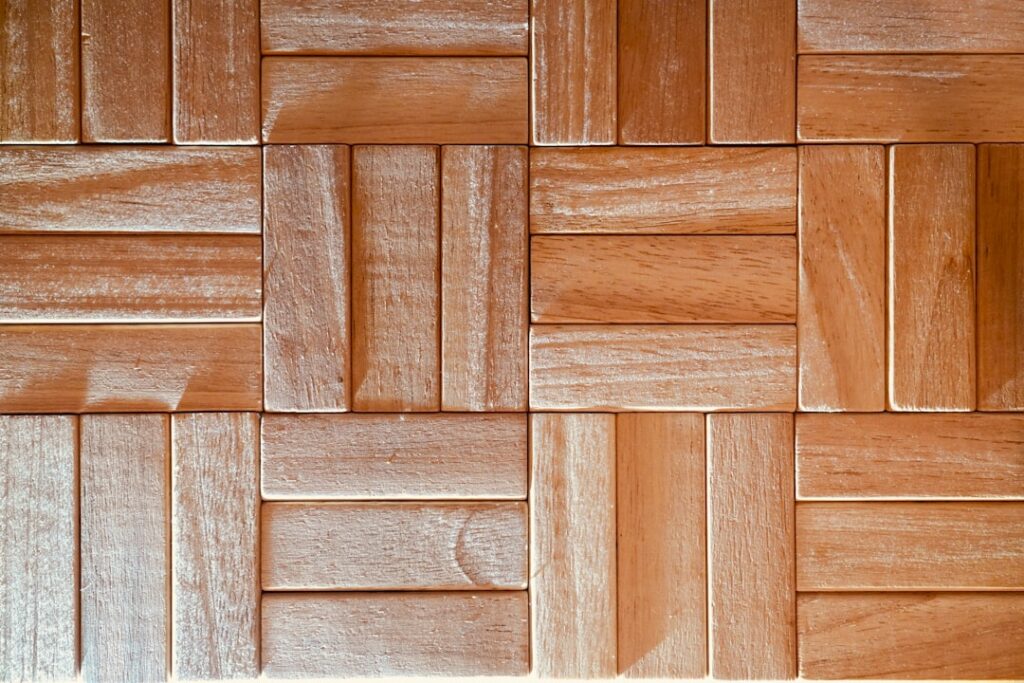
Wide plank oak flooring, generally defined as planks seven inches or wider, has become one of the most sought-after flooring choices in modern home design. Wider boards showcase more of oak’s natural grain character, create fewer seam lines across a room, and lend an open, sophisticated aesthetic that narrow strip flooring cannot achieve. Whether you prefer the warm, traditional look of red oak or the cool, contemporary appeal of white oak, wide plank formats elevate the wood’s natural beauty.
This guide covers everything you need to know about wide plank oak flooring: white oak versus red oak, solid versus engineered construction, grades and appearance, stability concerns, top brands, pricing, and installation considerations.
What Qualifies as Wide Plank?
Traditional strip hardwood flooring comes in widths of 2.25 to 3.25 inches. Plank flooring starts at 4 to 5 inches wide. Wide plank flooring is generally 7 inches or wider, with premium products available in 8, 9, 10, and even 12-inch widths.
The wider the plank, the more dramatic the visual impact. A 10-inch-wide oak board shows significantly more grain variation, character marks, and natural beauty per board than a 3-inch strip. Wider planks also mean fewer seams across a room, creating a cleaner, more expansive visual flow that makes rooms feel larger.
White Oak vs. Red Oak for Wide Planks
Oak is the most popular hardwood species in North America, and both white oak and red oak are available in wide plank formats. Their differences matter significantly when choosing wide plank flooring.
White Oak
White oak has emerged as the dominant choice for wide plank flooring in contemporary and transitional design. Its cool, neutral brown tones with subtle gray undertones work beautifully with modern color palettes. White oak accepts light stains and whitewash finishes exceptionally well, which is a major reason for its popularity in the Scandinavian-inspired and coastal design trends.
White oak is also the more practical choice for wide plank applications. It has a Janka hardness of 1,360 (slightly harder than red oak at 1,290) and, critically, has a closed cellular structure called tyloses that makes it naturally water-resistant. This closed grain means white oak absorbs less moisture than red oak, which translates to better dimensional stability in wide plank formats where seasonal movement is amplified.
White oak can be stained in virtually any tone, from bleached white to dark ebony, and the grain pattern accepts stain evenly. It is the species used in European-style wire-brushed and fumed finishes that are popular in high-end wide plank installations.
Red Oak
Red oak has a warmer, pinkish-brown tone with more pronounced grain patterns than white oak. It was the dominant flooring species in American homes for decades and remains popular in traditional, colonial, and craftsman-style interiors.
Red oak’s open grain structure creates a more pronounced, cathedral-like grain pattern that some homeowners love and others find busy, especially in wider planks where the grain patterns are more visible. The open pores also mean red oak absorbs stain less evenly than white oak, sometimes creating a blotchy appearance with certain stain colors, particularly gray and cool-toned stains.
Red oak is slightly softer than white oak and has an open cellular structure that makes it more susceptible to moisture absorption. In wide plank formats, this increased moisture sensitivity can lead to more seasonal expansion and contraction, making proper humidity control more important.
Which Should You Choose?
Choose white oak for contemporary, modern, coastal, or Scandinavian-inspired spaces, for areas with moisture concerns, and when you want a light or gray stain. Choose red oak for traditional, colonial, or craftsman-style homes, when you want a warm, classic hardwood look, and when budget is a priority since red oak typically costs 10 to 20 percent less than white oak.
Solid vs. Engineered Wide Plank Oak
The choice between solid and engineered wood flooring is especially important in wide plank applications because wider boards experience more seasonal movement.
Solid Wide Plank Oak
Solid wide plank oak is milled from a single piece of wood, typically 3/4 inch thick. It offers the most authentic, traditional feel and can be sanded and refinished 8 to 10 times over its lifespan. However, solid wood is more susceptible to seasonal expansion and contraction than engineered wood.
In wide plank formats, this movement is amplified. A 10-inch-wide solid oak plank can expand and contract noticeably with humidity changes, potentially causing gaps in winter and cupping in summer. Solid wide plank oak requires careful humidity control, typically between 35 and 55 percent relative humidity year-round, and benefits from installation methods that allow for movement, such as face-nailing rather than glue-down.
Solid wide plank oak is best suited for above-grade installations in homes with consistent humidity control. It should not be installed over concrete slabs, in basements, or over radiant heat systems.
Engineered Wide Plank Oak
Engineered wide plank oak features a real oak wear layer (typically 2mm to 6mm thick) bonded to a plywood or HDF core. The cross-grain construction of the core layers counteracts the natural expansion tendency of the oak top layer, resulting in a plank that is significantly more dimensionally stable than solid wood.
This stability advantage makes engineered oak the preferred choice for wide plank applications, especially in widths above 7 inches. Engineered wide plank can be installed over concrete slabs, over radiant heat systems, below grade in basements, and in environments with moderate humidity fluctuations that would cause problems for solid wood.
High-quality engineered wide plank oak with a 4mm or thicker wear layer can be sanded and refinished two to three times, providing decades of service. The main trade-off is that engineered products feel slightly different underfoot than solid wood and may have a faintly hollow sound compared to the solid thud of 3/4-inch solid oak.
Which Construction Is Better for Wide Plank?
For planks 7 inches and wider, engineered construction is the safer, more reliable choice in most installations. The dimensional stability advantage is significant and prevents many of the gapping, cupping, and buckling problems that can plague solid wide plank installations. Choose solid only if you have excellent humidity control, an above-grade installation on a wood subfloor, and a preference for the traditional solid wood experience.
Oak Grading for Wide Plank Flooring
The grade of oak determines the board’s appearance, character marks, and uniformity. Understanding grading helps you choose the look that matches your design vision.
Select and Better (Clear Grade)
The highest grade, select and better, features uniform color, minimal knots, and consistent grain patterns. This grade provides a clean, refined look that works well in modern and contemporary interiors. Select-grade wide plank oak commands a premium price because wider boards with minimal defects are harder to source from the log.
Number 1 Common (Character Grade)
Number 1 common allows more natural variation including small knots, mineral streaks, and moderate color variation. This grade is the sweet spot for most homeowners, offering visible character without overwhelming rustic features. It costs less than select grade and is more widely available in wide plank formats.
Number 2 Common (Rustic Grade)
Rustic grade includes larger knots, significant color variation, wormholes, mineral deposits, and other natural character marks. This grade is popular for farmhouse, rustic, and reclaimed-look installations where maximum visual character is the goal. Rustic-grade wide plank oak is the most affordable option and pairs beautifully with wire-brushed or hand-scraped textures.
Popular Finishes for Wide Plank Oak
The finish you choose dramatically affects the final appearance of your wide plank oak floor.
Natural or Clear Finish
A clear polyurethane or oil finish lets the oak’s natural color and grain speak for itself. On white oak, this produces a warm honey-amber tone. On red oak, it highlights the pinkish-brown warmth and pronounced grain.
Light and Whitewashed
Light stains and whitewash finishes on white oak create a Scandinavian-inspired look that is extremely popular in modern design. The light finish brightens rooms, gives a beachy or coastal feel, and pairs with minimalist decor.
Gray and Weathered
Gray stains on white oak produce a sophisticated, weathered look that works in transitional and modern farmhouse interiors. This finish is more difficult to achieve evenly on red oak due to its open grain structure.
Dark Stains
Dark walnut, espresso, and ebony stains create dramatic contrast and formal elegance. Dark-stained wide plank oak is stunning in large rooms with good natural light but can make smaller rooms feel closed in. Both white and red oak accept dark stains well.
Wire-Brushed and Textured
Wire brushing removes the softer grain fibers from the wood surface, leaving the harder grain raised for a subtly textured feel. This technique adds visual depth, hides minor scratches and dents, and gives wide plank oak a slightly aged, European character.
Oil Finishes
Penetrating oil finishes like Rubio Monocoat and Osmo soak into the wood rather than forming a film on top. Oil-finished wide plank oak has a natural, matte appearance that is popular in European and contemporary design. Oil finishes are easy to spot-repair but require more frequent maintenance than polyurethane.
Top Brands for Wide Plank Oak Flooring
These manufacturers and brands are known for quality wide plank oak products.
Carlisle Wide Plank Floors
Carlisle specializes exclusively in wide plank flooring and offers planks up to 12 inches wide in both solid and engineered white and red oak. Their products are custom-milled to order and represent the premium end of the market.
Duchateau
Duchateau offers European-inspired engineered wide plank oak with sophisticated finishes including wire-brushed, smoked, and oiled options. Their planks range from 7.5 to 9.5 inches wide in white oak and European oak varieties.
Garrison Collection
Garrison offers a range of engineered wide plank oak products at mid-range to premium pricing. Their Du Bois and Vineyard collections feature white oak planks up to 7.5 inches wide in trending finishes.
Somerset Hardwood
Somerset offers both solid and engineered wide plank oak at competitive pricing. Their Character Collection features 7-inch-wide planks in white and red oak with a range of stain options. Somerset is a good mid-range option that balances quality with affordability.
Pricing for Wide Plank Oak Flooring
Wide plank oak costs more than standard-width strip flooring because wider boards require larger, higher-grade logs and produce more waste during milling.
- Engineered white oak, 7-inch wide: $6 to $12 per square foot
- Engineered white oak, 9+ inch wide: $10 to $18 per square foot
- Solid white oak, 7-inch wide: $7 to $14 per square foot
- Solid white oak, 9+ inch wide: $12 to $22 per square foot
- Red oak wide plank: Generally 10 to 20 percent less than comparable white oak
- Installation: $3 to $6 per square foot for basic installation; $5 to $8 for glue-down engineered
Installation Tips for Wide Plank Oak
Proper installation is critical for wide plank oak performance. Follow these guidelines for the best results.
- Acclimate flooring in the installation space for at least 5 to 7 days, or per the manufacturer’s requirements
- Maintain indoor relative humidity between 35 and 55 percent before, during, and after installation
- For solid wide plank, face-nailing or glue-assisted nailing provides the strongest attachment
- For engineered wide plank, full-spread glue-down installation provides the best stability and acoustic performance
- Stagger end joints by at least 6 inches, preferably 12 inches or more, for visual appeal and structural integrity
- Leave adequate expansion gaps at walls and fixed objects per the manufacturer’s specifications
- Use a moisture barrier over concrete subfloors and test concrete moisture levels before installation
Wide plank oak flooring is a statement-making choice that brings warmth, character, and timeless style to any room. Whether you prefer the modern versatility of white oak or the classic warmth of red oak, wide plank formats showcase this beloved hardwood species at its finest.
Prefer to explore on your own?
See how new flooring looks in your actual room in seconds — free, no signup.
Try the free Floor Studio →