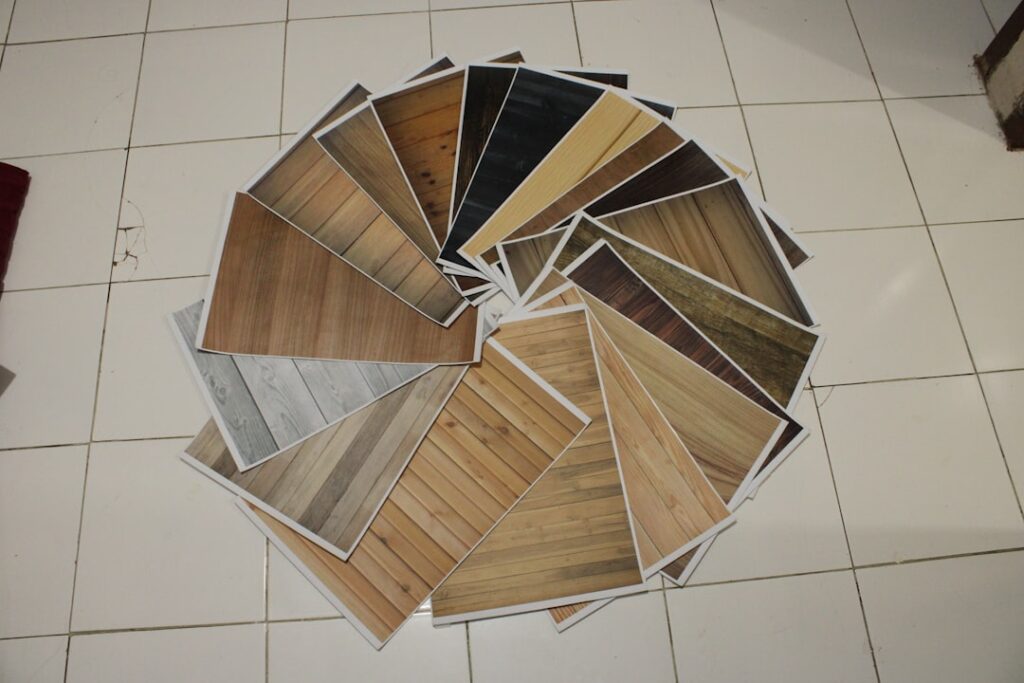
Wide plank white oak flooring is the defining luxury hardwood trend of the decade. Planks 7 inches and wider showcase the natural beauty of white oak’s grain patterns, medullary rays, and warm tones in a way that narrow strip flooring cannot. Walk into any designer showroom, luxury home, or high-end renovation, and you will likely find wide plank white oak underfoot. There is a reason: it is beautiful, durable, versatile, and timeless.
This guide covers everything you need to know about wide plank white oak, from character grades and finish options to stability considerations, top brands, and realistic pricing for this premium hardwood flooring choice.
- Why White Oak for Wide Plank Flooring?
- What Qualifies as Wide Plank?
- Character Grades of White Oak
- Solid vs. Engineered Wide Plank White Oak
- Finish Options for Wide Plank White Oak
- Stability Considerations for Wide Plank
- Top Brands for Wide Plank White Oak
- Wide Plank White Oak Pricing
- Care and Maintenance
- White Oak vs. Red Oak for Wide Plank
- Final Thoughts
Why White Oak for Wide Plank Flooring?
White oak dominates the wide plank market for several compelling reasons:
- Hardness: White oak has a Janka hardness rating of 1,360 pounds, making it durable enough for high-traffic areas including kitchens and living rooms.
- Water resistance: Unlike red oak, white oak has closed (tylosed) grain pores that resist water penetration. This makes it the preferred species for kitchens, bathrooms, and homes with pets.
- Beautiful grain: White oak features a mix of straight grain, cathedral patterns, and distinctive medullary rays (flecks of lighter wood visible on quartersawn and rift-sawn boards) that add visual depth and character.
- Stain versatility: White oak accepts stain beautifully and consistently, working with everything from natural finishes to deep espresso tones. It is also the ideal species for trendy European-inspired finishes like fumed, smoked, and wire-brushed.
- Aging gracefully: White oak develops a warm, golden patina over decades. Even as it ages and develops character marks, it looks better rather than worn out.
- Design versatility: Wide plank white oak complements every design style from farmhouse to modern minimalist, traditional to Scandinavian.
What Qualifies as Wide Plank?
Standard hardwood strip flooring is 2-1/4 to 3-1/4 inches wide. Anything 5 inches and wider is generally considered wide plank, but the current trend pushes well beyond that:
- 5 to 6 inches: Wide by traditional standards but now considered the starting point. Common in builder-grade wide plank.
- 7 to 8 inches: The sweet spot for residential wide plank. Most popular width range in 2026.
- 9 to 10 inches: Premium wide plank that makes a strong visual statement. Increasingly popular in open floor plans.
- 11 to 12+ inches: Ultra-wide plank, often associated with luxury brands and custom installations. These planks showcase the most dramatic grain patterns.
Plank lengths also matter with wide plank. Longer boards (6 to 12 feet) look more impressive and create fewer end joints. Short wide planks can look disproportionate. Premium wide plank products feature longer average lengths.
Character Grades of White Oak
The grade describes the visual character of the wood, including the amount of knots, color variation, mineral streaks, and other natural features. Grade does not indicate quality or structural integrity. It is purely aesthetic.
Select Grade (Clear)
The cleanest, most uniform grade. Select white oak has minimal knots (small pin knots only), consistent color, and straight grain. It creates a refined, formal appearance. Select is the most expensive grade because it yields the fewest boards from a log. Best for modern, minimalist, and formal interiors.
Character Grade (Natural, #1 Common)
The most popular grade for wide plank white oak. Character grade includes moderate knots (both open and filled), some mineral streaks, color variation between boards, and occasional sapwood. It balances beauty with natural character. This is the grade you see in most designer installations and high-end homes.
Rustic Grade (#2 Common, Cabin Grade)
The most character-rich grade. Rustic white oak features large knots (some open, some filled with epoxy), significant color variation, mineral streaks, worm holes, and other natural defects. It creates a bold, dramatic, reclaimed-wood look. Rustic grade is the least expensive because it uses wood that other grades reject. Best for farmhouse, industrial, and eclectic interiors.
Rift and Quartersawn
Not technically a grade but a sawing method that deserves mention. Rift-sawn and quartersawn white oak planks are cut at specific angles to the growth rings, producing straight, linear grain with minimal cathedral patterns and prominent medullary rays (the distinctive flecks). Rift and quartersawn wide plank white oak is the pinnacle of the species, offering dimensional stability, visual consistency, and a signature look. It commands a significant price premium.
Solid vs. Engineered Wide Plank White Oak
Solid White Oak
Solid wide plank white oak is milled from a single piece of wood, typically 3/4 inch thick. It can be sanded and refinished many times over its lifespan (often 80 to 100+ years). The main concern with solid wide plank is dimensional stability: wider boards expand and contract more with humidity changes, which can cause gapping, cupping, or crowning if humidity is not controlled.
Solid wide plank over 5 inches should be quartersawn or rift-sawn for best stability. Plain-sawn solid boards wider than 7 inches are risky in climates with significant seasonal humidity swings unless the home has excellent climate control.
Engineered White Oak
Engineered wood flooring features a real white oak wear layer bonded to a plywood or HDF core. The cross-grain construction dramatically improves stability, making engineered the preferred choice for wide planks (7 inches and wider). Engineered wide plank white oak can be installed over concrete, over radiant heat, and in climates where solid wood would be problematic.
Look for engineered products with a veneer layer of at least 3 mm (ideally 4 to 6 mm) for wide plank. This allows one to two sandings over the floor’s lifespan. Budget engineered products with 1 to 2 mm veneers cannot be refinished.
Which to Choose
- Choose solid if you want maximum longevity, plan to stain on-site for a custom color, have a wood subfloor, and can maintain consistent indoor humidity (35 to 55%).
- Choose engineered if you are installing over concrete, using radiant heat, live in a climate with extreme humidity swings, want planks wider than 8 inches, or prefer the convenience of a pre-finished product.
Finish Options for Wide Plank White Oak
Site-Finished (Unfinished + Finished On-Site)
Installing unfinished white oak and applying stain and finish on-site allows complete customization. You choose the exact stain color and finish sheen, and the entire floor is sealed as one continuous surface with no micro-bevels at the joints. Site-finishing adds 3 to 7 days to the project timeline and requires the home to be empty during finishing.
Pre-Finished
Pre-finished white oak has the stain and protective coating applied at the factory under controlled conditions. Factory finishes are typically UV-cured aluminum oxide coatings that are harder and more durable than site-applied finishes. The trade-off is a micro-bevel at each plank edge (to accommodate slight height variations) and less color customization. Pre-finished floors are ready to use immediately after installation.
Popular Finish Styles
- Natural (clear coat): Shows the true color of white oak with no added stain. A natural finish highlights the wood’s warm, honey tones and is the most popular choice in 2026.
- White-washed / Scandinavian white: A diluted white stain or white oil that lightens the wood while allowing grain to show through. Creates a bright, airy, Nordic aesthetic.
- Fumed / Smoked: A chemical process using ammonia vapor that reacts with the tannins in white oak, darkening it from the inside out. Creates a rich, aged appearance without surface stain. Popular in European and modern design.
- Wire-brushed: A surface texture created by brushing the wood with steel wire, removing the softer grain and leaving the harder grain raised. This creates a tactile, rustic texture that hides scratches and wear.
- Matte / Low sheen: Satin and matte finishes dominate wide plank trends. They look more natural, show fewer scratches, and avoid the artificial shine of high-gloss finishes.
- Hardwax oil: A penetrating oil finish that soaks into the wood rather than sitting on top. Provides a very natural, tactile feel. Easy to spot-repair. Popular in European-style homes.
- Dark stains (espresso, ebony): Rich, dark stains create dramatic contrast. Dark-stained wide plank white oak is striking in formal and contemporary settings, though dark floors show dust, scratches, and pet hair more readily.
Stability Considerations for Wide Plank
Wider planks amplify the natural tendency of wood to expand and contract with humidity changes. Managing this is essential for a successful wide plank installation:
- Humidity control: Maintain indoor relative humidity between 35% and 55% year-round. This is the single most important factor for wide plank stability. Use a humidifier in winter and a dehumidifier or air conditioning in summer.
- Proper acclimation: Allow flooring to acclimate in the installation environment for at least 5 to 7 days (some manufacturers require longer). The wood’s moisture content should match the expected in-service conditions.
- Subfloor moisture testing: Test concrete subfloors for moisture content before installation. Elevated moisture causes wide planks to cup and buckle. Use a calcium chloride test or in-situ relative humidity test.
- Quartersawn or rift-sawn for solid wide plank: These grain orientations expand and contract primarily in thickness rather than width, significantly reducing seasonal gapping.
- Engineered for extreme widths: For planks 9 inches and wider, engineered construction is strongly recommended regardless of climate.
- Expansion gaps: Leave adequate expansion gaps at all walls and fixed objects (typically 1/2 inch for wide plank, compared to 3/8 inch for standard flooring).
Top Brands for Wide Plank White Oak
Carlisle Wide Plank Floors
The benchmark for premium American wide plank. Carlisle offers solid and engineered white oak in widths up to 12 inches, with custom staining and finishing options. Their products are found in luxury homes, historic restorations, and high-end designer projects. Pricing reflects the premium positioning.
Stuga
A direct-to-consumer brand offering high-quality European white oak engineered wide plank at competitive prices. Stuga’s online model eliminates dealer markup. Their products feature thick veneers, quality finishes, and plank widths up to 10 inches.
Reward Hardwood Flooring
Reward offers European white oak engineered wide plank in an extensive range of finishes and widths. Their Provenza brand is especially popular, featuring wire-brushed, fumed, and matte finishes. Good value for premium-quality products.
LW Flooring
An American manufacturer producing engineered white oak wide plank with hand-scraped, wire-brushed, and smooth finishes. LW offers a good range of widths (up to 9.5 inches) and competitive pricing in the mid-to-premium range.
Garrison Collection
Garrison’s Du Bois collection features European white oak in wide plank engineered construction. Known for innovative finishes and consistent quality. Available through specialty flooring retailers.
Hull Forest Products
A Connecticut-based sawmill specializing in solid wide plank flooring from locally sourced timber. Their white oak planks are available in widths up to 12 inches and lengths up to 12 feet. Ideal for homeowners who want American-made solid wide plank.
Kentwood Floors
Canadian manufacturer offering engineered white oak wide plank with modern finishes. Their Couture collection features sophisticated European-inspired designs. Available through flooring retailers across North America.
Wide Plank White Oak Pricing
- Engineered, budget ($5-$8/sq ft): Thinner veneer (1-2 mm), limited finish options, 5-7 inch widths. Works for cost-conscious projects but limits future refinishing.
- Engineered, mid-range ($8-$13/sq ft): 3-4 mm veneer, quality finishes, 7-9 inch widths. The sweet spot for most homeowners.
- Engineered, premium ($13-$20/sq ft): Thick veneer (4-6 mm), designer finishes, 8-12 inch widths. Brands like Provenza, Boen, and Stuga.
- Solid, standard ($6-$10/sq ft unfinished): Plain-sawn, character grade, 5-7 inch widths. Add $3-$5/sq ft for site finishing.
- Solid, premium ($10-$18/sq ft unfinished): Rift/quartersawn, select or character grade, 7-12 inch widths. Custom milled to order.
- Solid, luxury ($18-$30+/sq ft): Premium mills, ultra-wide planks (10″+), select rift and quartersawn, custom finishing.
- Installation: $3-$6/sq ft for standard installation. Site finishing adds $3-$5/sq ft.
Total Project Cost Example
For a 1,000-square-foot main floor with mid-range engineered wide plank white oak (7.5 inch, pre-finished), professionally installed:
- Material (including 10% waste): 1,100 sq ft x $10 = $11,000
- Installation: 1,000 sq ft x $4 = $4,000
- Transitions, trim, and prep: $500 to $1,000
- Total: $15,500 to $16,000
Care and Maintenance
Wide plank white oak is easy to maintain with good habits:
- Daily: Sweep or dust mop to remove grit that scratches the finish.
- Weekly: Vacuum with a hard-floor setting (no beater bar) and damp mop with a pH-neutral hardwood floor cleaner.
- As needed: Place felt pads under all furniture, use mats at entrances, and clean spills immediately.
- Avoid: Wet mopping, steam mops, vinegar (on polyurethane finishes), wax-based products on polyurethane, and dragging furniture.
- Refinishing: Plan to screen and recoat every 5 to 10 years and fully sand and refinish every 15 to 25 years, depending on traffic and wear.
White Oak vs. Red Oak for Wide Plank
While red oak was the standard American hardwood for decades, white oak has surpassed it for wide plank flooring for several reasons:
- Color: White oak has a cooler, more neutral tone that works with contemporary design trends. Red oak’s pink and salmon undertones feel dated to many buyers.
- Grain: White oak’s grain is subtler and more refined than red oak’s bold, open grain. In wide planks, red oak’s aggressive grain pattern can feel overwhelming.
- Water resistance: White oak’s closed pores resist water far better than red oak’s open pores, making it a safer choice for kitchens and wide plank applications where gapping could expose end grain.
- Stain consistency: White oak takes stain more evenly and predictably than red oak.
- Resale value: White oak wide plank is currently the most desirable hardwood flooring for home buyers, positively impacting resale value.
Final Thoughts
Wide plank white oak flooring is a premium investment that delivers exceptional beauty, durability, and long-term value. The combination of white oak’s natural qualities and the visual impact of wide planks creates a floor that serves as the foundation of your home’s design. Choose your grade and finish based on your personal style, invest in proper installation with attention to humidity control, and your wide plank white oak floor will be the centerpiece of your home for generations.
Prefer to explore on your own?
See how new flooring looks in your actual room in seconds — free, no signup.
Try the free Floor Studio →