
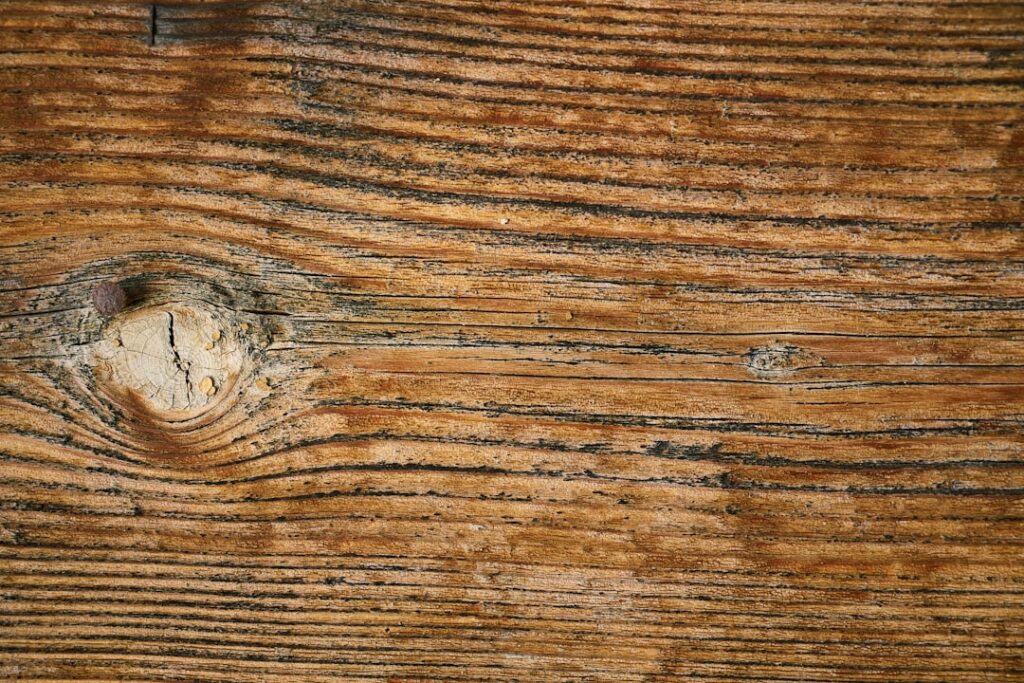
European oak flooring represents the pinnacle of hardwood flooring for many designers and homeowners. Sourced from forests across France, Germany, Belgium, and other European countries, European oak (Quercus robur and Quercus petraea) has been used in fine architecture for centuries, from medieval castles to Parisian apartments to modern luxury homes. Its tight grain, warm tones, and exceptional compatibility with a wide range of finishes make it one of the most versatile and desirable flooring species in the world.
This guide covers the differences between European oak origins, how it compares to American white oak, available finishes and plank formats, top brands, and realistic pricing expectations for 2026.
What Is European Oak?
European oak refers to two closely related species: Quercus robur (English oak or pedunculate oak) and Quercus petraea (sessile oak). Both species grow throughout Europe and share similar characteristics that make them ideal for flooring. The wood features a medium-to-coarse grain with distinctive medullary rays (the flecking pattern visible on quarter-sawn boards), a warm palette ranging from pale straw to rich amber, and excellent hardness and stability.
European oak’s Janka hardness rating is approximately 1,360 lbf, identical to American white oak. However, European oak tends to have a tighter, more consistent grain pattern and fewer open pores, which gives it a slightly smoother, more refined appearance. These subtle differences make European oak particularly popular in high-end residential and commercial applications.
European Oak by Country of Origin
While all European oak shares the same species classifications, the growing conditions in different regions produce noticeable differences in the wood’s character.
French Oak
French oak is the most prestigious and widely recognized European oak variety. Sourced primarily from managed forests in Burgundy, Normandy, and other French regions, French oak is known for its fine, tight grain and warm golden tones. The cooler climate and slower growth rates in many French forests produce dense, high-quality timber with subtle grain patterns and excellent dimensional stability.
French oak has strong associations with luxury, partly because of its long history in wine barrel production (Bordeaux and Burgundy barrels are made from French oak) and its use in iconic buildings like the Palace of Versailles. This prestige is reflected in pricing, with French oak commanding a premium over other European sources.
German Oak
German oak, particularly from the Black Forest and Bavarian regions, is prized for its consistent quality and strong grain character. German forestry practices are among the most rigorous in the world, with sustainably managed forests that have been producing timber for centuries. German oak tends to have a slightly more prominent grain than French oak, with warm amber tones and good uniformity.
Belgian Oak
Belgian oak is less commonly marketed by country of origin but is widely used in European flooring production. Belgium’s moderate climate produces oak with characteristics similar to French oak. Many European flooring manufacturers are based in Belgium, making Belgian oak a popular choice for engineered flooring products.
Slavonian Oak
Slavonian oak from Croatia and surrounding Balkan countries is valued for its exceptionally fine grain and light color. It is sometimes considered the finest European oak for applications where minimal grain variation and a light, clean appearance are desired. Slavonian oak is relatively rare and commands premium pricing.
European Oak vs American White Oak
This is one of the most common questions from homeowners shopping for premium hardwood flooring. Here is how the two compare.
Grain Pattern
European oak typically has a tighter, more consistent grain pattern with less dramatic variation between boards. American white oak has a more varied grain with stronger contrast between earlywood and latewood growth rings. European oak’s subtler grain gives it a more refined, contemporary appearance, while American white oak has a more rustic, characterful look.
Color
Both species share a similar color range from light straw to warm amber. European oak tends to have slightly warmer, more golden undertones, while American white oak can have cooler, greener undertones in some boards. The differences are subtle and vary within both species.
Finish Compatibility
European oak responds exceptionally well to specialized finishing techniques like fuming, reactive staining, and hardwax oil application. Its consistent grain absorbs finishes evenly, producing uniform results. American white oak also finishes well but can show more variation in stain absorption due to its more varied grain structure.
Availability and Pricing
American white oak is more widely available in North America and typically less expensive ($5 to $10 per square foot for quality products). European oak is imported, which adds shipping costs, and the prestige factor drives pricing higher ($8 to $20+ per square foot). For purely objective performance, the two species are very similar. The choice often comes down to aesthetic preference and budget.
Wide Plank European Oak
European oak is strongly associated with wide plank flooring, and this format showcases the wood’s beauty best.
Why Wide Planks
Wide planks (7 inches and wider) show more of each board’s grain pattern, reduce the number of seams, and create a sense of spaciousness and luxury. European oak’s dimensional stability makes it well-suited for wide plank formats that would be risky with less stable species. Planks up to 12 inches wide and 7 to 10 feet long are available from premium manufacturers.
Engineered Construction for Wide Planks
Most wide plank European oak flooring uses engineered construction with a European oak veneer bonded to a multi-layer plywood or HDF core. This construction provides the dimensional stability needed to prevent the cupping, bowing, and gapping that would affect solid wide planks. Veneer thickness ranges from 2 mm on economy products to 6 mm on premium products. Thicker veneers allow for future refinishing.
Popular Wide Plank Dimensions
Standard wide: 7 to 8 inches wide, 48 to 72 inches long
Extra wide: 9 to 10 inches wide, 72 to 86 inches long
Grand format: 10 to 12 inches wide, 86 to 120 inches long
Wider and longer planks cost more per square foot due to the larger, higher-grade logs required and increased waste during manufacturing.
Finishes for European Oak
One of European oak’s greatest strengths is its compatibility with diverse finishing techniques. The finish you choose dramatically affects the final appearance.
Hardwax Oil
Hardwax oil is the most popular finish for European oak, especially in European-designed homes. It penetrates the wood rather than forming a film on the surface, preserving the wood’s natural texture and allowing you to feel the grain underfoot. Hardwax oil produces a matte or low-sheen appearance that looks natural and contemporary. Brands like Rubio Monocoat and Osmo are industry leaders. The finish is easy to spot-repair without refinishing the entire floor.
Fumed (Smoked) Oak
Fuming exposes oak to ammonia vapors, which react with the wood’s tannic acid to darken the color from within. The result is a rich, warm brown that looks naturally aged rather than stained. Fumed European oak is a signature look in contemporary European design. The color variation depends on the tannin content of each board, creating subtle, organic differences that add depth.
Reactive Stains
Reactive stains (also called color oils) chemically react with oak’s tannins to produce colors that look like natural aging rather than surface paint. This technique is particularly effective on European oak because the tannin content responds predictably, producing consistent results.
Whitewashed and Limed
Whitewashing or liming European oak fills the grain with white pigment, creating a light, airy Scandinavian aesthetic. This finish brightens rooms and highlights the grain pattern in negative. It is especially popular in coastal, Nordic, and minimalist interiors.
UV-Cured Oil
Factory-applied UV-cured oil finishes combine the natural look of oil with the durability of a UV-hardened surface. This is common on pre-finished engineered European oak products and provides good protection with a natural appearance straight out of the box.
Top Brands for European Oak Flooring
These manufacturers are known for producing high-quality European oak flooring products.
Boen
Norwegian manufacturer Boen produces engineered European oak in a wide range of widths, finishes, and grades. Their products are widely available in North America through flooring retailers and offer excellent quality at mid-to-premium pricing.
Kahrs
Swedish brand Kahrs has been producing hardwood flooring since 1857. They offer an extensive European oak collection with innovative finishes and sustainable sourcing practices. Kahrs pioneered the multi-layer engineered wood floor and continues to lead in product development.
Hakwood
Dutch manufacturer Hakwood produces premium European oak flooring with an emphasis on bespoke finishes and wide plank formats. They cater to the high-end market with custom color matching and unique finishing techniques.
Duchateau
Duchateau offers luxury European oak flooring with distinctive finishes including fumed, wire-brushed, and hand-finished options. Their collections target the premium residential market with wide planks and designer colorways.
Carlisle Wide Plank Floors
Carlisle is a US-based company specializing in wide plank flooring, including European oak. They offer custom milling, finishing, and installation services for high-end residential projects.
Pricing for European Oak Flooring
European oak flooring spans a wide price range depending on the origin, plank dimensions, finish, and manufacturer.
Engineered European oak (standard width): $6 to $12 per square foot
Engineered European oak (wide plank): $10 to $18 per square foot
Premium/designer European oak: $15 to $30+ per square foot
Solid European oak: $10 to $20 per square foot
Professional installation: $3 to $7 per square foot
For a 1,000-square-foot project using mid-range engineered wide plank European oak, budget $12,000 to $22,000 for materials and installation.
Installation Considerations
European oak flooring installation follows standard hardwood installation practices, but a few points deserve attention.
Acclimation. Allow planks to acclimate in the installation space for a minimum of 48 to 72 hours. Engineered products are more dimensionally stable than solid but still benefit from acclimation.
Subfloor moisture. Test concrete subfloors for moisture before installation. European oak engineered products can be glued directly to concrete if moisture levels are within the manufacturer’s specifications.
Glue-down vs floating. Wide plank European oak is typically glued down for the most stable, quiet installation. Floating installation is possible with narrower planks but may produce more sound and movement. Always follow the manufacturer’s recommended installation method.
Professional installation recommended. Given the premium cost of European oak flooring, professional installation is strongly recommended. Proper installation protects your investment and ensures warranty coverage.
Sustainability
European oak is among the most sustainably sourced hardwood flooring options available. European forestry regulations, particularly in France and Germany, are strict, with managed forests that are replanted and harvested on long rotation cycles. Look for FSC or PEFC certification to confirm responsible sourcing. The long lifespan of quality European oak flooring (50+ years with proper care) further improves its environmental profile.
Final Thoughts
European oak flooring is a premium choice that delivers exceptional beauty, versatility, and longevity. Its compatibility with modern finishing techniques, suitability for wide plank formats, and refined grain pattern make it the preferred hardwood for contemporary and luxury interiors. While the price premium over American white oak can be significant, the aesthetic differences and finish options available with European oak justify the investment for homeowners who want the finest hardwood floor available.
Prefer to explore on your own?
See how new flooring looks in your actual room in seconds — free, no signup.
Try the free Floor Studio →

