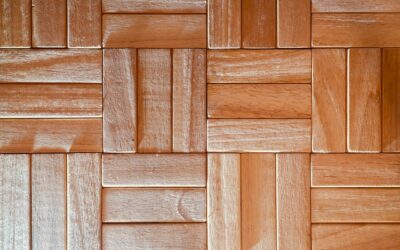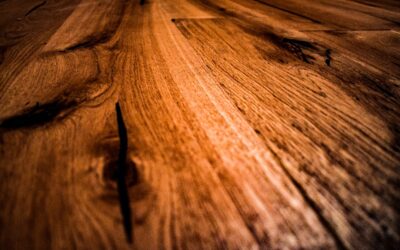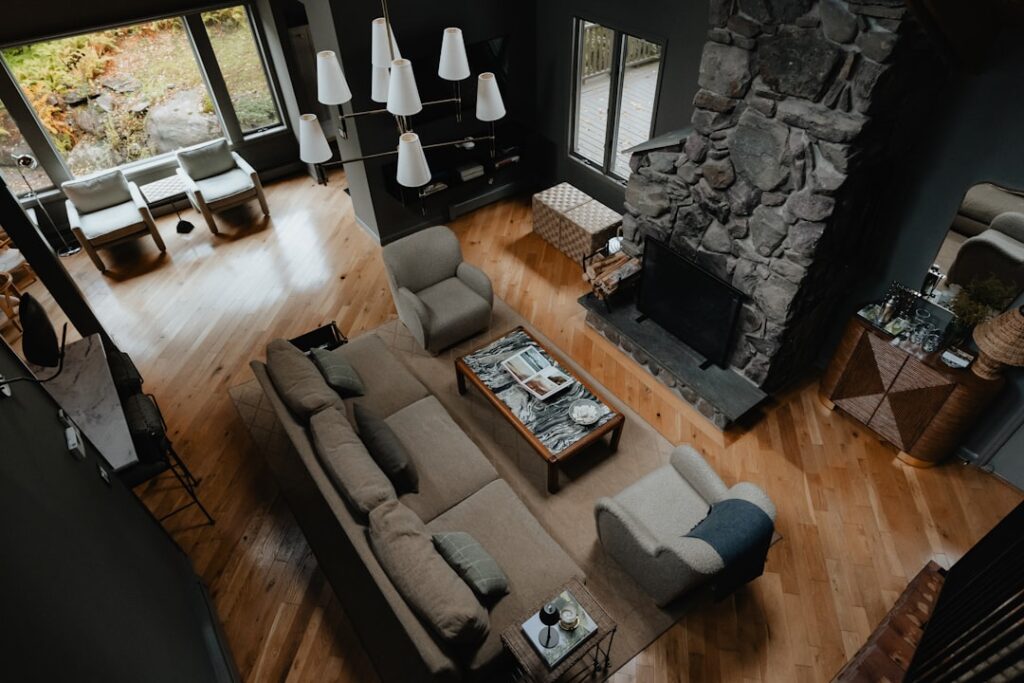
Oak hardwood flooring remains the most popular wood floor choice in North America, and for good reason. It is widely available, reasonably priced for a hardwood, extremely durable, and suits virtually every interior style from rustic farmhouse to sleek contemporary. Whether you are replacing worn carpet or building a new home, oak should be at the top of your shortlist.
This guide walks you through everything you need to know — species differences, grading, costs, finishes, and long-term care — so you can make a confident decision.
Why Oak Is the King of Hardwood Flooring
Oak’s dominance is not an accident. Several characteristics combine to make it the go-to hardwood flooring species:
- Hardness: Both red and white oak rate well on the Janka scale, meaning they resist dents and wear from daily foot traffic.
- Availability: Oak trees grow abundantly across North America and Europe, keeping supply steady and prices moderate.
- Grain character: Oak’s pronounced grain gives floors visual interest and personality that smoother species lack.
- Stainability: Oak accepts stain well, allowing homeowners to customize the color from pale natural to deep espresso.
- Proven track record: Oak floors in historic homes have survived a century or more, proving the wood’s staying power.
Red Oak vs. White Oak
The two main species used in oak hardwood flooring are red oak and white oak. Although they share the oak name, they have distinct characteristics.
Red Oak
Red oak (Quercus rubra) has been the default American flooring hardwood for generations. It features a bold, cathedral-pattern grain with warm pink and salmon undertones. Red oak scores 1,290 on the Janka hardness scale and is slightly softer than white oak.
Red oak stains well but its strong grain pattern can compete with darker stain colors, sometimes creating an uneven appearance. It has open pores, making it more susceptible to moisture compared to white oak. Red oak is typically ten to twenty percent less expensive, which keeps it popular for budget-conscious projects.
White Oak
White oak (Quercus alba) scores 1,360 on the Janka scale and has a tighter, more subtle grain with warm tan and brown tones. Its closed-pore structure provides natural water resistance, and it takes stain more uniformly than red oak. White oak has surpassed red oak in popularity over the past decade, driven largely by demand for neutral, modern aesthetics.
European Oak
European oak (Quercus robur and Quercus petraea) is another option found mostly in premium engineered wood flooring products. It shares many characteristics with American white oak but often features longer, wider planks and distinctive character marks that appeal to the luxury market.
Oak Flooring Grades
Oak flooring is sold in several grades based on appearance, not structural quality. Understanding grades helps you balance aesthetics and budget.
- Select or Clear: Minimal knots, consistent color, and uniform grain. The most refined look and the highest price.
- Number One Common: Some small knots and moderate color variation. A good balance of character and cleanliness.
- Number Two Common (Rustic): More knots, mineral streaks, and color variation. Popular for farmhouse and rustic interiors.
- Character or Cabin Grade: Maximum knots, cracks, and variation. The most affordable and most visually dramatic.
Higher grades are not necessarily better — many homeowners specifically seek the warmth and authenticity of lower-grade oak with its natural imperfections.
Solid vs. Engineered Oak Flooring
Solid Oak
Solid oak planks are milled from a single piece of wood, usually three-quarters of an inch thick. They are incredibly durable and can be sanded and refinished multiple times. Solid oak must be installed over a wood subfloor using nails or staples, and it is not recommended for basements or over concrete slabs.
Engineered Oak
Engineered oak features a real oak veneer on top of a multi-layer plywood or HDF core. This construction resists expansion and contraction better than solid wood, making it suitable for concrete subfloors, basements, and radiant heating systems. Engineered oak can be glued down, nailed, or floated.
The veneer thickness determines how many times the floor can be refinished. Look for products with at least a two-millimeter wear layer for the ability to sand once or twice over the floor’s lifespan.
Cost of Oak Hardwood Flooring
Oak flooring costs depend on species, grade, construction, width, and finish. Here are approximate ranges for 2026:
- Solid red oak (unfinished): $4 to $7 per square foot
- Solid white oak (unfinished): $5 to $9 per square foot
- Engineered red oak: $5 to $10 per square foot
- Engineered white oak: $6 to $14 per square foot
- Installation labor: $3 to $6 per square foot
For a 1,000-square-foot project with mid-range engineered white oak and professional installation, expect to spend between $10,000 and $18,000 including materials, labor, and finishing.
Finishing Options for Oak Floors
Site-Finished vs. Prefinished
Site-finished floors are sanded and coated after installation, allowing seamless transitions between rooms and custom stain colors. Prefinished floors arrive from the factory with the finish already applied, which speeds up installation and eliminates dust and odor in the home. Both approaches have merit, and the best choice depends on your priorities.
Oil-Based vs. Water-Based Polyurethane
Oil-based polyurethane adds a warm amber tone that deepens over time. It is extremely durable but takes longer to cure and has strong fumes during application. Water-based polyurethane dries clear, cures faster, and has lower VOC emissions. Most modern oak floor installations use water-based finishes for a cleaner, more natural appearance.
Hardwax Oil
European-style hardwax oil finishes penetrate the wood rather than sitting on top of it. The result is a very natural, matte look with easy spot-repair capability. The trade-off is that hardwax oil requires more frequent maintenance — typically recoating every one to three years in high-traffic areas.
Installation Tips
Proper installation is critical for oak hardwood flooring performance. Follow these best practices:
- Acclimate planks in the installation room for at least 48 hours
- Ensure the subfloor is flat to within 3/16 of an inch over 10 feet
- Test concrete slabs for moisture using a calcium chloride test or relative humidity probe
- Leave a 1/2-inch expansion gap around all walls and fixed objects
- Stagger end joints by at least six inches between adjacent rows
- Run planks parallel to the longest wall or the primary light source for the best visual effect
Caring for Oak Hardwood Floors
Oak is forgiving, but consistent maintenance keeps it looking its best:
- Sweep or dust mop daily to prevent grit from scratching the finish
- Damp mop with a hardwood-approved cleaner — never soak the floor
- Place felt pads under furniture and replace them when they wear down
- Use area rugs in heavy-traffic zones to distribute wear
- Maintain indoor humidity between 35 and 55 percent
- Recoat the finish every seven to ten years or when the sheen starts to fade
Oak Flooring Pros and Cons
Pros
- Timeless appearance that suits any decor
- Excellent durability for a domestic hardwood
- Can be sanded and refinished multiple times
- Wide range of stain colors and finishes
- Increases home resale value
- Readily available in most markets
Cons
- Susceptible to scratching from pets and heavy furniture
- Not suitable for wet areas like bathrooms without extra precautions
- Expands and contracts with humidity changes
- Professional installation adds significant cost
- Can fade or change color with prolonged UV exposure
Is Oak Hardwood Flooring Right for You?
If you want a floor that is beautiful, durable, widely available, and adaptable to changing tastes, oak hardwood flooring is hard to beat. It works in traditional and modern settings, can be customized with countless stain and finish combinations, and adds genuine value to your home.
For rooms where moisture is a concern, pair oak with proper precautions or consider waterproof flooring in those specific areas. Everywhere else, oak delivers the warmth, character, and longevity that only real hardwood can provide.
Prefer to explore on your own?
See how new flooring looks in your actual room in seconds — free, no signup.
Try the free Floor Studio →