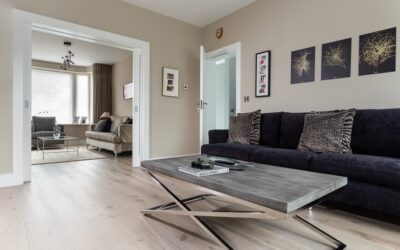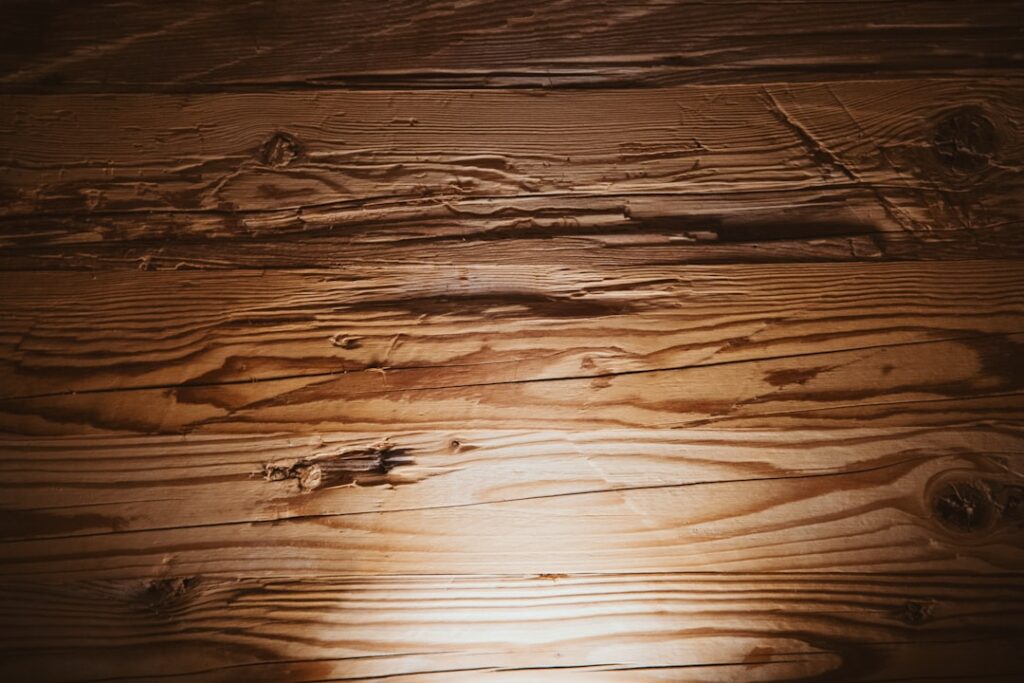
Oak flooring has been the backbone of American homes for well over a century, and its popularity is stronger today than ever. No other hardwood species comes close to oak in terms of market share, availability, or design versatility. Walk into any flooring showroom and oak will dominate the displays—and for good reason. It is hard enough for busy households, beautiful enough for luxury interiors, and available in enough varieties to suit every budget and taste.
- Why Oak Is the #1 Hardwood Flooring Choice
- White Oak vs Red Oak: A Detailed Comparison
- Comparison Table: White Oak vs Red Oak vs Engineered Oak
- Solid Oak vs Engineered Oak Flooring
- Janka Hardness Ratings for Oak
- Oak Flooring Grades
- Plank Widths for Oak Flooring
- Oak Flooring Finishes
- Popular Stain Colors for Oak Flooring
- Oak Flooring Cost per Square Foot
- Installation Methods for Oak Flooring
- Refinishing Potential of Oak Floors
- Pros and Cons of Oak Flooring
- Oak Flooring Maintenance
- Oak Flooring Styles: Traditional, Modern, and Farmhouse
- Frequently Asked Questions About Oak Flooring
- Is oak flooring good for homes with pets?
- Should I choose white oak or red oak?
- How long does oak flooring last?
- Can I install oak flooring over concrete?
- Is it better to buy prefinished or site-finished oak flooring?
- Final Thoughts
Whether you are comparing white oak to red oak, weighing solid planks against engineered construction, or trying to decide between a natural finish and a dark walnut stain, this guide covers every detail you need. We break down Janka hardness ratings, lumber grades, plank widths, finishes, stain colors, installation methods, cost per square foot, maintenance requirements, and the pros and cons of every major oak hardwood flooring option on the market. By the end, you will have the knowledge to choose the right oak floor for your home with complete confidence.
Why Oak Is the #1 Hardwood Flooring Choice
Oak accounts for roughly 75% of all hardwood flooring sold in the United States. That dominance is not accidental. Oak wood flooring delivers an uncommon combination of performance, beauty, and value that no other species can match across the board.
First, oak is exceptionally durable. Both white oak and red oak rank well above the threshold needed for residential use on the Janka hardness scale, handling foot traffic, pet nails, dropped objects, and furniture movement without excessive denting or scratching. Second, oak takes stain better than almost any other domestic hardwood. Its open grain absorbs color evenly, giving homeowners the freedom to go natural, gray, ebony, or anything in between. Third, oak is abundantly available throughout North America, which keeps pricing accessible and lead times short. Finally, oak has a proven track record: floors installed over a century ago are still in service, demonstrating a longevity that few competing materials can claim.
For homeowners who want a floor that delivers lasting value and never goes out of style, oak flooring remains the safest and smartest choice in the hardwood category. For a broader overview of hardwood species and how they compare, visit our guide to hardwood flooring.
White Oak vs Red Oak: A Detailed Comparison
The most important species decision you will make when shopping for an oak floor is whether to choose white oak or red oak. While they share the oak family name, white oak and red oak flooring differ in appearance, performance, and best-use scenarios.
Grain Pattern and Appearance
White oak has a tighter, more linear grain with subtle ray flecks and less pronounced cathedral patterns. This restrained character gives white oak a cleaner, more contemporary look that pairs naturally with modern and transitional interiors. Red oak, by contrast, features a bolder, more open grain with strong arching patterns and more visual movement. Red oak’s prominent grain gives it a classic, traditional feel that suits colonial, craftsman, and rustic design schemes.
Color and Undertones
In its raw, unstained state, white oak ranges from light tan to medium brown with neutral-to-golden undertones. Red oak leans distinctly pink to salmon, with warm reddish undertones that become especially visible under certain lighting. White oak’s neutral base accepts a wider range of stain colors faithfully, while red oak’s pink base can shift cool-toned stains in unexpected directions—gray stains on red oak, for instance, often skew slightly purple.
Water Resistance
This is where white oak separates itself decisively. White oak contains tyloses—tiny cellular structures that block the wood’s pores and prevent water from traveling through the grain. Red oak lacks tyloses entirely, making it significantly more porous and vulnerable to moisture penetration. For kitchens, entryways, mudrooms, and any area with occasional water exposure, white oak is the clear winner. To learn more about white oak’s unique properties, see our dedicated white oak flooring guide.
Hardness
White oak scores 1,360 on the Janka hardness scale; red oak scores 1,290. The 70-point difference is modest but gives white oak a measurable edge in dent and scratch resistance, especially in high-traffic zones.
Stainability
Both species take stain well, but white oak accepts a broader palette more predictably. Dark stains, gray washes, and fumed treatments all produce truer, more consistent results on white oak due to its neutral base color and higher tannin content. Red oak works best with warm-toned stains—golden, amber, and traditional brown tones that complement its natural warmth.
Cost
Red oak is typically $1 to $3 less per square foot than comparable white oak products, owing to its greater supply and lower current demand. However, white oak’s popularity premium reflects a genuine performance advantage, particularly in water resistance and design versatility.
Comparison Table: White Oak vs Red Oak vs Engineered Oak
The table below summarizes the key differences among the three most popular oak hardwood flooring formats to help you identify the best option for your project.
| Feature | White Oak (Solid) | Red Oak (Solid) | Engineered Oak |
|---|---|---|---|
| Janka Hardness | 1,360 | 1,290 | Depends on species veneer (1,290–1,360) |
| Water Resistance | Good (tyloses block pores) | Poor (open pores) | Moderate to good (plywood core adds stability) |
| Cost per Sq Ft (installed) | $8–$15 | $6–$12 | $7–$14 |
| Grain Character | Tight, linear, subtle | Bold, arching, pronounced | Varies by species veneer |
| Stainability | Excellent—neutral base accepts all colors | Good—best with warm tones | Excellent (often prefinished) |
| Best For | Kitchens, main floors, modern/transitional design | Traditional interiors, budget-conscious projects | Basements, concrete slabs, radiant heat, wide plank |
Solid Oak vs Engineered Oak Flooring
Once you have chosen your oak species, the next decision is construction type. Both solid oak flooring and engineered oak use real oak on the surface, but they differ in structure, performance, and installation flexibility.
Solid Oak Flooring
Solid oak planks are milled from a single piece of hardwood, typically 3/4 inch thick. The full-thickness construction allows for multiple sandings and refinishes over a lifespan that can reach 75 to 100 years in a well-maintained home. Solid oak must be nailed or stapled to a wooden subfloor and is not recommended for below-grade installations, concrete slabs, or rooms with significant humidity fluctuations. It performs best in climate-controlled environments where relative humidity stays between 35% and 55%.
Engineered Oak Flooring
Engineered oak features a genuine oak wear layer bonded to a multi-layer plywood or HDF core. The cross-grain construction provides superior dimensional stability, meaning engineered planks expand and contract far less than solid planks when humidity levels change. This stability unlocks installation options that solid oak cannot offer: engineered oak can be floated, glued, or nailed over concrete, plywood, or existing hard-surface floors. It also handles basements, radiant heating systems, and wide-plank formats far more reliably than solid. For a full breakdown, see our guide to engineered wood flooring.
Premium engineered oak with a thick wear layer (4–6 mm) can be refinished two to three times, providing a practical lifespan of 30 to 50 years. Budget products with thinner veneers (2 mm or less) offer limited refinishing potential but still deliver genuine oak beauty at a lower price point.
Janka Hardness Ratings for Oak
The Janka hardness test measures how much force is required to embed a steel ball halfway into a wood sample. It is the standard benchmark for evaluating a flooring species’ resistance to denting and surface wear. Here is how oak wood flooring stacks up against other popular hardwoods:
- Red oak: 1,290 lbf
- White oak: 1,360 lbf
- Hard maple: 1,450 lbf
- Hickory: 1,820 lbf
- American walnut: 1,010 lbf
- American cherry: 950 lbf
Both red and white oak fall in the ideal range for residential use—hard enough to resist everyday impacts, yet soft enough to be sanded, cut, and nailed without excessive difficulty. For homes with large dogs or very heavy foot traffic, pairing oak with a wire-brushed or hand-scraped texture helps mask minor surface wear over time.
Oak Flooring Grades
Oak lumber is sorted into grades based on the amount of natural character—knots, mineral streaks, color variation, and grain irregularity—present in each board. The grade you choose has a major impact on the final look of your oak plank flooring.
Select Grade
Select is the highest grade, offering the most uniform appearance with minimal knots, minimal color variation, and long, consistent grain lines. It delivers a clean, refined look suited to formal living spaces and contemporary interiors. Select-grade oak commands the highest price per square foot.
#1 Common Grade
#1 Common introduces moderate color variation and small, tight knots. It strikes a balance between character and consistency and is the most popular grade for general residential use. The added visual interest makes it more forgiving of everyday wear.
#2 Common Grade
#2 Common allows larger knots, more prominent mineral streaks, and wider color variation. It has a distinctly natural, lived-in character and is a strong choice for casual spaces, rental properties, and budget-conscious projects. The added character hides minor imperfections well.
Rustic / Cabin Grade
Rustic or cabin-grade oak includes the most pronounced natural features: large knots (sometimes open or filled), significant color variation, sapwood, and occasional worm tracks. This grade delivers a bold, organic look prized in farmhouse, lodge, and industrial interiors. It is the most affordable grade and is frequently chosen for its design impact rather than despite its imperfections.
Plank Widths for Oak Flooring
Oak flooring is available in a wide range of plank widths, each producing a different visual effect. The most common options include:
- 2.25 inches (strip): The classic narrow-strip width found in older homes and traditional interiors. Creates a formal, structured pattern and makes small rooms feel larger. The most economical width in solid oak.
- 3.25 inches: A slightly wider strip that modernizes the traditional look without abandoning it. Works well in both solid and engineered formats.
- 5 inches: The current sweet spot for most residential projects. Wide enough to show off oak’s grain character, narrow enough to suit most room sizes. Available in both solid and engineered construction.
- 7 inches and wider (wide plank): Wide-plank oak flooring creates a dramatic, open feel and showcases the grain’s full beauty. Widths of 7, 8, 9, and even 12 inches are common in premium engineered products. Wide planks work best in spacious rooms and open floor plans. Due to expansion and contraction concerns, widths above 5 inches are typically recommended in engineered construction only.
For pattern installations such as herringbone or parquet, oak is by far the most popular species. Visit our herringbone flooring and parquet flooring guides to explore these timeless layout options.
Oak Flooring Finishes
The finish you select determines the sheen, texture, and long-term durability of your oak floor. The two primary decisions are site-finished vs prefinished and the type of topcoat material.
Site-Finished vs Prefinished
Site-finished oak is sanded and coated on-site after installation. This approach produces a seamless, monolithic surface with no micro-bevels between boards and allows you to choose the exact stain color and sheen on the actual wood in your home. The trade-off is a longer project timeline (typically an additional 3 to 5 days for sanding, staining, and curing) and stronger odors during the finishing process.
Prefinished oak arrives from the factory with stain and topcoat already applied, often with an ultra-hard aluminum oxide or UV-cured finish that is more durable than most site-applied products. Prefinished flooring installs faster and produces no on-site fumes, but the boards feature micro-beveled edges that create visible seams between planks. Premium prefinished products have minimized this issue with shallower bevels and more seamless profiles.
Oil vs Polyurethane
Oil finishes (hardwax oil, penetrating oil, natural oil) soak into the wood rather than forming a film on top. The result is a matte, natural look and a soft, tactile surface that feels like bare wood underfoot. Oil finishes are easy to spot-repair—individual scratches and worn areas can be touched up without refinishing the entire floor. They do require periodic recoating (every 1 to 3 years in high-traffic areas) and are more susceptible to water staining than film-forming finishes.
Polyurethane finishes (water-based or oil-based) create a protective film over the wood surface. Water-based polyurethane dries clear and maintains the wood’s natural color, while oil-based polyurethane adds a warm amber tone that deepens over time. Polyurethane finishes are more resistant to water, spills, and abrasion than oil finishes, making them the more practical choice for kitchens, entryways, and homes with children and pets. They cannot be spot-repaired, however—when the finish wears through, the entire floor must be sanded and recoated.
Popular Stain Colors for Oak Flooring
One of oak’s greatest strengths is its ability to accept stain evenly and predictably. Here are the most popular stain colors for oak hardwood flooring in 2026:
Natural / Clear
No stain at all—just a clear protective topcoat that lets the oak’s natural color and grain shine through. Natural white oak is warm and honey-toned; natural red oak is pinker and more amber. This finish is timeless and the easiest to maintain because scratches are less visible against the lighter base.
Gray
Gray-stained oak has been a dominant trend in contemporary and coastal interiors. The effect ranges from a subtle silver wash to a deep charcoal. Gray stains work best on white oak, whose neutral base accepts cool tones cleanly. On red oak, gray stains may take on a slightly purple or muddy cast due to the wood’s pink undertones.
Dark Walnut
Dark walnut is a rich, medium-to-dark brown stain that adds warmth and depth without going fully dark. It is one of the most popular stain colors for both white and red oak and creates a classic, versatile look that works in traditional and transitional settings.
Ebony
Ebony stain produces a near-black finish that creates dramatic contrast in modern, minimalist, and industrial interiors. Ebony shows scratches, dust, and pet hair more readily than lighter stains, so it is best suited to homes without heavy pet traffic and paired with a matte sheen to reduce visibility of surface imperfections.
Whitewash / Cerused
Whitewash treatments apply a diluted white pigment that fills the grain while allowing the underlying oak color to show through. The result is a light, airy, Scandinavian-inspired look popular in coastal, farmhouse, and Nordic interiors. On white oak, the effect is soft and sophisticated; the technique also works on red oak to tone down its pink undertones.
Oak Flooring Cost per Square Foot
The cost of oak flooring varies based on species, construction type, grade, plank width, and finish. Here are typical installed price ranges for 2026:
- Solid red oak (2.25″–3.25″ strip): $6–$10 per sq ft installed
- Solid white oak (2.25″–5″): $8–$14 per sq ft installed
- Engineered oak (standard): $7–$12 per sq ft installed
- Engineered wide-plank white oak (7″+): $10–$18 per sq ft installed
- Premium European white oak (wide plank): $14–$24 per sq ft installed
- Site finishing (sanding + staining + topcoat): $3–$5 per sq ft, in addition to material and installation
Material alone typically represents 40% to 60% of the total project cost, with installation labor making up the remainder. Costs vary by region, installer, subfloor condition, and layout complexity. Patterned installations such as herringbone and parquet add $2 to $5 per square foot due to increased material waste and labor time.
Installation Methods for Oak Flooring
The right installation method depends on whether you are working with solid or engineered oak, the type of subfloor, and the room’s conditions.
Nail / Staple Down
The standard method for solid oak flooring over a plywood or OSB subfloor. Planks are blind-nailed or stapled through the tongue at an angle. This method produces a rigid, secure connection and is the preferred approach for solid oak plank flooring on wood-framed structures.
Glue Down
Engineered oak can be glued directly to a concrete slab or plywood subfloor using a urethane adhesive. Glue-down installation creates a solid feel with minimal hollow sound and is the recommended method for concrete-on-grade and below-grade installations. It also works well with radiant heating systems because the adhesive bond transfers heat efficiently.
Floating
Floating installation uses a click-lock mechanism to connect planks without fastening them to the subfloor. The floor rests on an underlayment and moves as a single unit. This is the fastest and most DIY-friendly method, but it is only suitable for engineered oak and may produce a slightly hollow sound underfoot compared to nailed or glued installations.
Refinishing Potential of Oak Floors
One of the strongest arguments for choosing oak wood flooring is its exceptional refinishing potential. Unlike carpet, vinyl, or laminate, a genuine oak floor can be restored to like-new condition multiple times over its life.
Solid oak at the standard 3/4-inch thickness can typically be sanded and refinished five to seven times before the tongue-and-groove profile is compromised. At one refinish every 10 to 15 years, that translates to a floor that can easily last a century. Engineered oak with a wear layer of 4 mm or thicker supports two to three refinishes, while thinner veneers (2 mm) may allow one light sanding at most.
Each refinish is also an opportunity to change direction entirely. An oak floor that was stained dark walnut in 2010 can be sanded down to bare wood and restained gray, natural, or ebony to match a completely new design vision. This adaptability gives oak flooring an unmatched advantage over materials that lock you into a single look for life.
Pros and Cons of Oak Flooring
Pros
- Exceptional durability: Janka ratings of 1,290 to 1,360 handle busy residential environments with ease.
- Versatile aesthetics: Oak accepts virtually any stain color and suits styles from rustic farmhouse to sleek modern.
- Refinishing potential: Solid oak can be refinished five to seven times, offering a multi-decade lifespan.
- Wide availability: Domestic supply keeps pricing competitive and lead times short.
- Strong resale value: Hardwood oak floors are consistently ranked among the most desirable features by home buyers.
- Water resistance (white oak): Tyloses make white oak one of the most moisture-tolerant domestic hardwoods.
- Multiple formats: Available in solid, engineered, strip, wide-plank, herringbone, parquet, and more.
Cons
- Susceptible to scratching: While durable, oak is softer than hickory and hard maple. Large dogs and gritty debris can leave marks.
- Moisture sensitivity (red oak): Red oak’s open pores make it vulnerable to water damage; it is not ideal for kitchens.
- Cost: Premium white oak and wide-plank options can be expensive, especially with professional installation and site finishing.
- Requires climate control: Solid oak is prone to gapping and cupping in environments with uncontrolled humidity.
- Dark stains show wear: Ebony and very dark stains reveal scratches, dust, and pet hair more readily than lighter options.
Oak Flooring Maintenance
Maintaining oak flooring is straightforward and does not require specialized products or professional intervention for day-to-day care.
- Daily: Sweep or dry-mop to remove dust, grit, and debris that cause micro-scratches.
- Weekly: Vacuum with a hardwood-safe attachment (no beater bar) or use a damp microfiber mop with a pH-neutral hardwood cleaner.
- Monthly: Inspect for scratches or wear spots. Touch up oil-finished floors as needed with the manufacturer’s maintenance oil.
- Annually: Check humidity levels and adjust humidifiers or dehumidifiers to keep indoor relative humidity between 35% and 55%.
- Every 3–5 years: Apply a maintenance coat of polyurethane (for film-finished floors) or a refresh coat of hardwax oil (for oil-finished floors) to high-traffic areas.
- Every 10–15 years: Full sand and refinish to address accumulated wear and update the stain or sheen if desired.
Use felt pads under all furniture legs, place mats at exterior doors, and wipe up spills immediately. Avoid wet mopping, steam cleaners, vinegar solutions, and abrasive cleaning products, all of which can damage the finish and wood surface over time.
Oak Flooring Styles: Traditional, Modern, and Farmhouse
Oak hardwood flooring is uniquely versatile in its ability to anchor completely different design aesthetics depending on species, stain, plank width, and installation pattern.
Traditional
Traditional oak flooring typically features red oak in a warm, amber-to-brown stain with a satin polyurethane finish. Strip widths of 2.25 to 3.25 inches laid in a straight pattern create the classic American hardwood look found in colonial, craftsman, and mid-century homes. #1 Common grade adds just enough character to feel authentic without looking rustic.
Modern and Contemporary
Modern oak floors lean heavily toward white oak in wide-plank formats (7 inches and wider) with matte or ultra-matte finishes. Popular stain choices include natural, gray, and light cerused treatments. Wire-brushed or rift-and-quartersawn cuts enhance the clean, linear grain that contemporary interiors demand. Select or rift-only grades deliver the uniform, minimalist surface this style requires.
Farmhouse and Rustic
Farmhouse-style oak floors embrace imperfection. Wide planks in #2 Common or rustic grade showcase large knots, color variation, and natural mineral streaks. Finishes range from lightly whitewashed to warm honey and medium brown. Hand-scraped and distressed textures add to the lived-in character. Both white and red oak work beautifully in farmhouse settings, though red oak’s bold grain pattern complements the style’s emphasis on natural warmth.
Frequently Asked Questions About Oak Flooring
Is oak flooring good for homes with pets?
Oak is one of the better hardwood choices for homes with pets, but it is not scratch-proof. Both white oak and red oak rate well on the Janka hardness scale (1,290–1,360), which provides solid resistance to everyday wear. To minimize visible scratching, choose a wire-brushed or hand-scraped texture that conceals minor marks, pair it with a matte finish that hides imperfections, and keep your pets’ nails trimmed. A light-to-medium stain color will show scratches far less than dark ebony or espresso stains.
Should I choose white oak or red oak?
White oak is the better all-around choice for most homeowners. It has a tighter grain, a neutral color palette that accepts virtually any stain, higher Janka hardness, and natural water resistance thanks to its tyloses. Red oak is a good choice if you prefer a bold, traditional grain pattern, want a warm-toned floor, and are working with a tighter budget. Red oak typically costs $1 to $3 less per square foot than comparable white oak. Avoid red oak in kitchens and areas prone to moisture exposure.
How long does oak flooring last?
Solid oak flooring can last 75 to 100 years or more with proper maintenance and periodic refinishing. It supports five to seven full sand-and-refinish cycles over its lifespan. Engineered oak with a thick wear layer (4–6 mm) lasts 30 to 50 years and can be refinished two to three times. Even entry-level engineered oak with a thin veneer will typically serve 15 to 25 years before needing replacement.
Can I install oak flooring over concrete?
Engineered oak flooring can be installed over concrete using a glue-down or floating method. The plywood core in engineered planks provides the dimensional stability needed to handle concrete’s moisture vapor transmission and temperature fluctuations. Solid oak is not recommended over concrete because it requires a nailed-down installation on a wooden subfloor and is more susceptible to moisture-related expansion and cupping. If installing over a concrete slab, ensure the slab has been properly tested for moisture and apply a vapor barrier as recommended by the flooring manufacturer.
Is it better to buy prefinished or site-finished oak flooring?
Prefinished oak is better for homeowners who want a faster installation, minimal disruption, and a factory-applied finish that is typically harder and more durable than site-applied alternatives. Site-finished oak is the better choice if you want a seamless surface with no micro-bevels between boards, the ability to choose your exact stain color on-site, or if you are matching new flooring to existing floors in an adjacent room. Site finishing adds 3 to 5 days to the project timeline and $3 to $5 per square foot in additional cost, but the monolithic result is worth the investment for many homeowners.
Final Thoughts
Oak flooring has earned its status as America’s most popular hardwood through a combination of beauty, durability, versatility, and value that no other species matches across the board. Whether you choose white oak for its modern neutrality and natural water resistance or red oak flooring for its classic warmth and lower price point, you are investing in a floor with a proven century-long track record.
Narrow down your ideal combination of species, construction type, grade, plank width, finish, and stain color using the guidance above, then partner with an experienced installer who can ensure your new oak floor performs as beautifully as it looks. With proper installation and routine maintenance, your oak flooring will add warmth, character, and measurable value to your home for generations to come.
Prefer to explore on your own?
See how new flooring looks in your actual room in seconds — free, no signup.
Try the free Floor Studio →