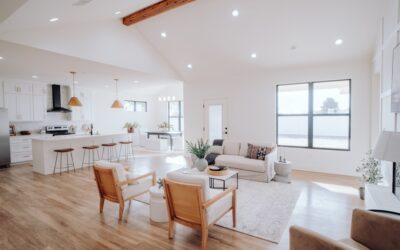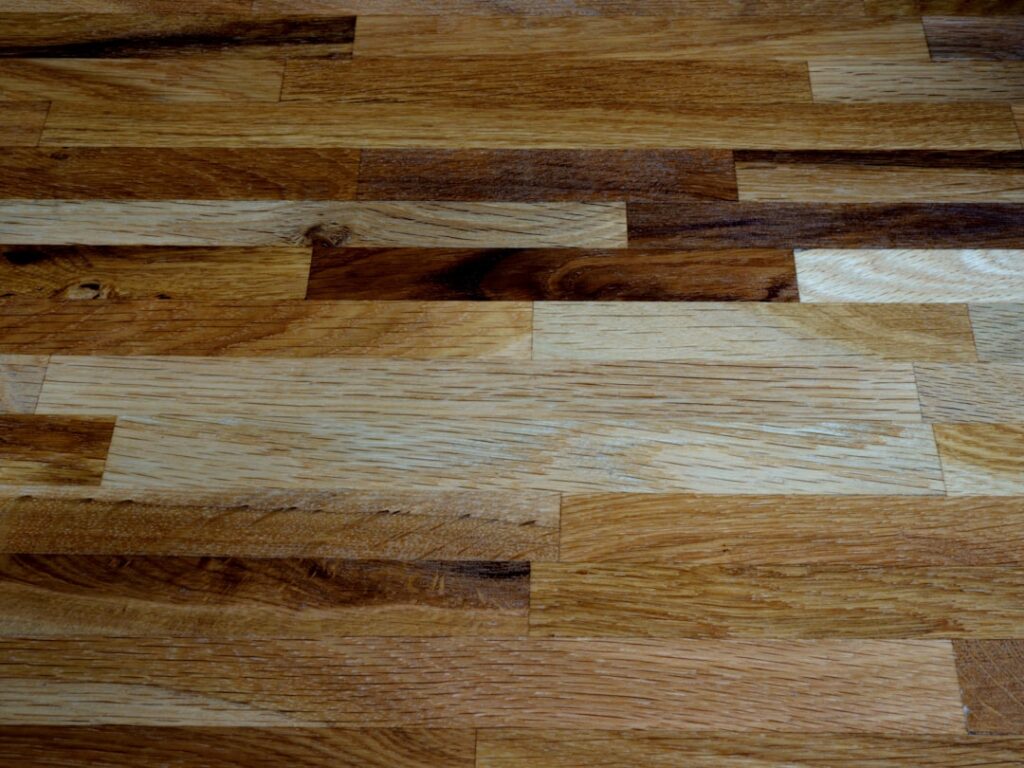
Solid timber flooring is the gold standard of natural flooring. Milled from a single piece of hardwood, it offers unmatched beauty, warmth, and longevity. A well-maintained solid timber floor can last a century or more, and it is the only flooring type that truly improves with age, developing a rich patina that synthetic materials cannot replicate.
This guide covers everything you need to know about solid timber flooring, from choosing the right species and grade to understanding installation requirements and ongoing maintenance.
What Is Solid Timber Flooring?
Solid timber flooring consists of planks milled entirely from a single piece of hardwood. Each plank is typically 3/4 inch (19mm) thick and ranges from 2-1/4 to 7 inches wide. The solid construction means the entire plank, from surface to bottom, is the same species of wood.
This distinguishes it from engineered wood flooring, which uses a thin hardwood veneer over layered plywood or composite substrates. Solid timber’s full-thickness construction allows it to be sanded and refinished many times over its lifespan, effectively making it a permanent floor.
Popular Timber Species
Oak
Oak is the world’s most popular solid timber flooring species. White oak (Janka 1,360) and red oak (Janka 1,290) offer excellent durability, beautiful grain patterns, and tremendous versatility. White oak has a tighter grain that resists moisture better, while red oak features a more pronounced, open grain with warm pink-brown tones.
Maple
Hard maple (Janka 1,450) is one of the hardest domestic species. Its fine, subtle grain creates a clean, contemporary look. Maple’s light cream color brightens rooms and accepts light stains well, though it can be finicky with darker stains due to its dense grain.
Hickory
Hickory (Janka 1,820) is the hardest common North American flooring wood. Its dramatic grain variation and color range, from creamy white sapwood to rich brown heartwood, create a bold, rustic aesthetic. Hickory is the top choice for homes with large dogs and heavy traffic.
Walnut
American black walnut (Janka 1,010) offers a luxurious dark chocolate color with flowing grain patterns. It is softer than oak, making it better suited to bedrooms, offices, and formal living rooms. Walnut is prized for its rich, warm beauty.
Cherry
American cherry (Janka 950) has a warm reddish-brown tone that deepens dramatically with sunlight exposure. It is relatively soft, so it is best for low-traffic areas. The way cherry ages and develops color is one of its most appealing characteristics.
Ash
White ash (Janka 1,320) is comparable to oak in hardness but features a lighter color and more pronounced grain. It takes stains beautifully and works well in both traditional and modern interiors.
Exotic Species
Brazilian cherry/Jatoba (Janka 2,350), Santos mahogany (Janka 2,200), and Australian cypress (Janka 1,375) offer unique colors and exceptional hardness. Exotic species cost more but deliver striking visual impact.
Grades of Solid Timber Flooring
Timber flooring is graded based on appearance, not structural quality. All grades are equally durable.
Select Grade (Clear)
The most uniform grade with minimal color variation, no knots, and consistent grain. Select grade creates a clean, polished look suited to contemporary and formal interiors. It is the most expensive grade.
Natural Grade (#1 Common)
Moderate color variation with small, tight knots and some mineral streaks. Natural grade offers a balanced look that works in most settings. It represents the best value for most homeowners.
Rustic Grade (#2 Common)
Maximum character with prominent knots, color variation, mineral streaks, and sometimes small checks. Rustic grade delivers a warm, lived-in aesthetic popular in farmhouse, country, and industrial-style homes. It is the most affordable grade.
Width Options
Strip (2-1/4 to 3 inches)
Traditional narrow strips create a classic look and make rooms feel larger. They are the most common width for formal and traditional interiors.
Plank (3 to 7 inches)
Wide planks are the dominant trend in 2026. They show more of the wood’s natural character, create a more open and modern feel, and require fewer seams. Wide plank flooring typically costs more due to the wider boards needed.
Extra Wide (8+ inches)
Extra-wide planks make a bold statement and are often used in rustic or artisan-style installations. They require careful moisture management because wider boards expand and contract more than narrow strips.
Cost of Solid Timber Flooring
- Oak (select grade): $6 to $12 per square foot
- Oak (natural/rustic grade): $4 to $8 per square foot
- Maple: $5 to $10 per square foot
- Hickory: $5 to $10 per square foot
- Walnut: $8 to $15 per square foot
- Exotic species: $8 to $20+ per square foot
- Professional installation: $4 to $8 per square foot
- Sanding and finishing (site-finished): $2 to $5 per square foot
Pre-finished solid timber (finished in the factory) saves on-site finishing costs but limits your color customization options.
Pre-Finished vs. Site-Finished
Pre-Finished
Pre-finished solid timber arrives with stain and protective coatings already applied in a factory-controlled environment. Benefits include faster installation (no waiting for finish to dry), more durable factory-applied coatings, and no dust or fumes in your home. The main drawback is visible micro-beveled edges between planks and limited color customization.
Site-Finished
Site-finished (also called unfinished) timber is installed raw and then sanded, stained, and sealed on-site. This produces a seamless surface without beveled edges, allows custom stain colors, and ensures every gap and seam is sealed. Drawbacks include longer installation time (3 to 5 extra days for finishing), dust generation during sanding, and fumes from polyurethane finishes.
Installation Methods
Nail-Down
The standard method for installing solid timber over wood subfloors. A pneumatic floor nailer drives cleats through the tongue of each plank at a 45-degree angle, securing it to the subfloor while allowing seasonal movement. This requires a plywood or OSB subfloor at least 3/4 inch thick.
Glue-Down
Solid timber can be glued directly to concrete subfloors using flexible wood flooring adhesive. A moisture barrier is typically applied to the concrete first. Glue-down creates a very quiet, solid feel but makes future removal more difficult.
Important: Solid Timber Cannot Float
Unlike engineered wood or laminate flooring, solid timber should not be installed as a floating floor. It requires direct attachment to the subfloor for stability.
Subfloor Requirements
- Must be level within 3/16 inch over 10 feet.
- Wood subfloors must be at least 3/4 inch plywood or OSB.
- Concrete must be fully cured (at least 60 days) with moisture levels below manufacturer specifications.
- Installation not recommended below grade (basements) due to moisture concerns.
Acclimation
Solid timber must acclimate in the installation room for 5 to 14 days before installation. Stack planks loosely to allow air circulation and let the wood reach equilibrium with the room’s temperature and humidity. Skipping acclimation is the number one cause of gapping, cupping, and buckling.
Finishing Options
Polyurethane
Oil-based polyurethane provides a warm amber tone and excellent durability. Water-based polyurethane dries clearer (no yellowing), has lower VOCs, and dries faster. Both are available in matte, satin, semi-gloss, and high-gloss sheens.
Hardwax Oil
Penetrating oils like Rubio Monocoat and Osmo create a natural, matte finish that enhances wood grain without forming a surface film. Hardwax oil finishes are easy to spot-repair and give timber a warm, hand-crafted appearance.
Staining
Custom stain colors allow you to match your timber floor to your decor. Popular stain trends for 2026 include warm honey, cool gray, and rich walnut tones on white oak. Always test stains on sample boards before committing.
Maintenance Guide
- Sweep or vacuum daily with a soft-bristle attachment.
- Clean with a slightly damp microfiber mop and wood floor cleaner weekly.
- Never use wet mops, steam cleaners, or vinegar-based solutions.
- Maintain indoor humidity between 35% and 55% year-round.
- Use felt pads under furniture and area rugs in high-traffic zones.
- Recoat polyurethane finishes every 3 to 5 years for high-traffic areas.
- Re-oil hardwax oil finishes every 1 to 2 years, or as the surface begins to feel dry.
- Plan for a full sand-and-refinish every 10 to 20 years, depending on wear.
Frequently Asked Questions
Is solid timber better than engineered wood?
Solid timber offers unlimited refinishing potential and a longer lifespan. Engineered wood provides better dimensional stability and can be installed in more locations (over concrete, with underfloor heating). Neither is universally better — it depends on your specific situation.
Can solid timber go over concrete?
Yes, using the glue-down method with a proper moisture barrier. However, solid timber is not recommended for below-grade concrete (basements) due to elevated moisture levels.
How long does solid timber flooring last?
With proper maintenance and periodic refinishing, solid timber flooring can last 75 to 100+ years. Many historic buildings feature original timber floors that are centuries old.
Is solid timber flooring worth the cost?
For long-term homeowners, solid timber is one of the best flooring investments. Its longevity, beauty, and ability to be refreshed through refinishing mean you may never need to replace it. It also adds significant resale value to your home.
Final Thoughts
Solid timber flooring is the benchmark against which all other flooring is measured. Nothing matches its authenticity, warmth, and ability to transform a space with natural beauty. While it demands a higher upfront investment and more careful installation than alternatives, the reward is a floor that lasts a lifetime and ages gracefully with your home.
Learn more in our comprehensive hardwood flooring guide, or compare with engineered wood flooring if you need greater installation flexibility.
Prefer to explore on your own?
See how new flooring looks in your actual room in seconds — free, no signup.
Try the free Floor Studio →