Few surfaces carry a room the way real wood does, and modern timber flooring has evolved far beyond the narrow oak strips your grandparents nailed down. Today’s modern timber flooring spans wide planks up to 9 inches across, matte and wire-brushed finishes, and engineered constructions that can float over concrete or radiant heat. If you are weighing timber against vinyl, laminate, or tile, understanding how the category has changed will help you spend your budget where it counts.
- What Defines Modern Timber Flooring Today
- Solid vs. Engineered Construction
- Popular Wood Species and Looks
- The Pros of Modern Timber Flooring
- The Cons and Limitations
- Cost, Installation, and Timeline
- How to Choose the Right Timber Floor
- Maintenance That Keeps It Looking New
- Timber vs. Wood-Look Alternatives
- Sustainability and Sourcing
What Defines Modern Timber Flooring Today
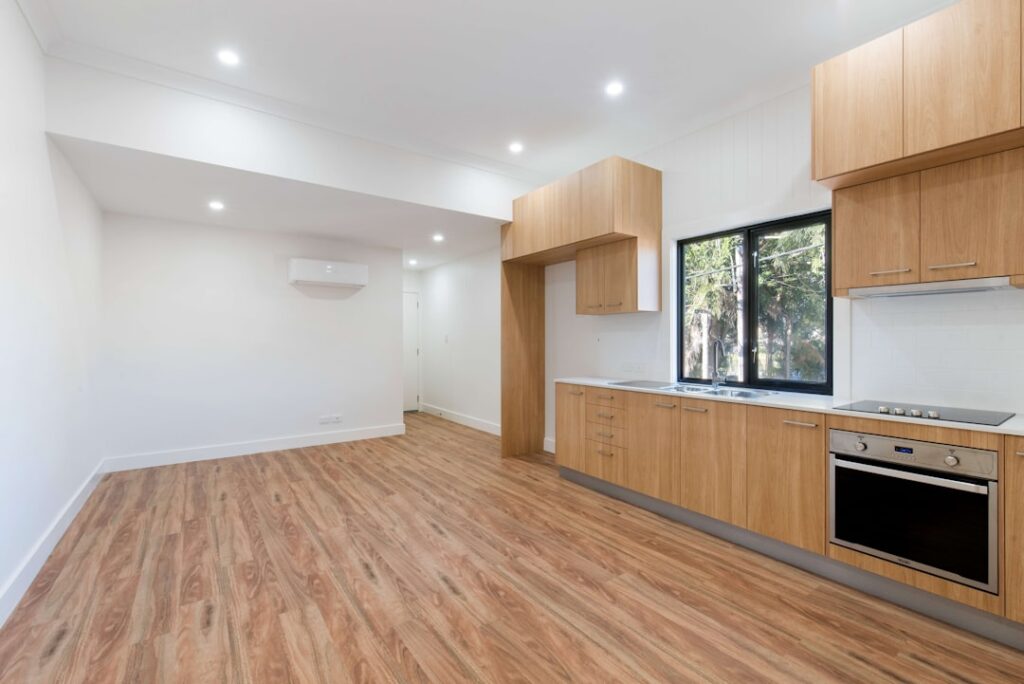
Contemporary timber floors are distinguished by three shifts: plank format, finish technology, and construction. Where 2.25-inch strip oak once dominated, wide planks between 5 and 9 inches now set the tone in new builds and renovations. The wider board shows off grain and reduces the number of visible seams, giving rooms a calmer, more expansive feel.
Finishes have moved away from high-gloss polyurethane toward low-sheen, ultraviolet-cured oils and aluminum-oxide coatings. These matte and satin surfaces hide micro-scratches and foot traffic better than glossy floors, which is part of why they read as “modern.” Textured treatments like wire-brushing and light hand-scraping add subtle depth without the rustic, distressed look that was popular a decade ago.
Solid vs. Engineered Construction
The single biggest decision is solid versus engineered. Solid boards are milled from one piece of hardwood, typically 3/4 inch thick, and can be sanded and refinished many times over a 50-to-100-year life. They are best over plywood subfloors in above-grade rooms because they expand and contract with humidity.
Engineered planks bond a real hardwood wear layer (usually 0.6 mm to 6 mm) over a cross-laminated plywood or HDF core. That layered core resists cupping and gapping, so engineered timber performs well over concrete slabs, in basements, and above radiant heat. A wear layer of 3 mm or more can still be refinished once or twice. For most modern homes with wide planks and slab foundations, engineered is the practical choice.
Popular Wood Species and Looks
White oak has become the defining species of modern interiors thanks to its neutral, slightly gray undertone that accepts both light Scandinavian and rich smoked finishes. European oak, hickory, walnut, and maple round out the common offerings.
- White oak: hard, stable, neutral color, ideal for light and natural stains.
- Walnut: deep chocolate tones and softer grain, more prone to denting.
- Hickory: the hardest domestic species, with dramatic grain variation.
- Maple: tight, uniform grain that suits minimalist, contemporary rooms.
Color trends lean toward pale naturals, warm honey, and muted grays, with matte or ultra-matte topcoats. Very dark espresso floors, which show dust and scratches easily, have fallen out of favor.
The Pros of Modern Timber Flooring
Real wood remains the benchmark for warmth, resale appeal, and long-term value. A well-maintained timber floor can outlast several rounds of carpet or laminate, and buyers consistently rank hardwood among the most desirable features in a home.
- Longevity: solid floors last generations; quality engineered floors last 25-40 years.
- Refinishing: scratches, dents, and dated colors can be sanded away and re-coated.
- Resale value: hardwood is a proven selling point that rarely feels dated.
- Comfort and warmth: wood is warmer underfoot than tile and pairs with radiant heat.
- Air quality: hard surfaces trap fewer allergens than carpet.
The Cons and Limitations
Timber is not maintenance-free, and it carries trade-offs that matter in busy households. Water is the primary enemy: standing spills, leaks, and high humidity can cause cupping, staining, and gapping. Kitchens and full bathrooms often push homeowners toward waterproof alternatives.
Cost is the other reality. Material alone runs roughly $4 to $12 per square foot for mainstream engineered lines and $8 to $15 or more for premium solid and wide-plank European oak. Softer species dent under heavy furniture and pet claws, and even hard species scratch. Direct sunlight can fade or amber the finish over years, so area rugs and UV-filtering window film help protect exposed rooms.
Cost, Installation, and Timeline
Budget for the full installed price, not just the boards. Professional installation typically adds $3 to $8 per square foot depending on method, and site conditions can raise that figure.
- Nail-down: standard for 3/4-inch solid over plywood; fast for skilled crews.
- Glue-down: common for engineered over concrete; quiet and solid underfoot.
- Floating click-lock: engineered planks snap together over an underlayment, the most DIY-friendly method.
Acclimate boxes in the room for several days before installation so the wood adjusts to indoor humidity, ideally kept between 35 and 55 percent. A 1,000-square-foot job usually takes a two-person crew two to four days, plus curing time if the floor is site-finished. Prefinished planks let you walk on the floor immediately, while site-finished floors deliver a seamless surface but require several days of ventilation as the coating cures.
How to Choose the Right Timber Floor
Match the product to your subfloor, climate, and lifestyle rather than to a photo alone. If you have a concrete slab or radiant heat, prioritize engineered planks with a stable core. Households with kids and pets should favor harder species like white oak or hickory and a thicker wear layer that tolerates a future refinish.
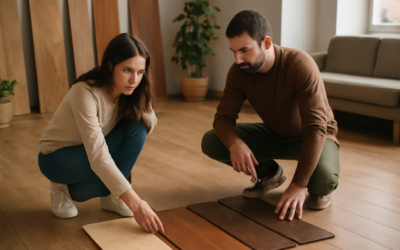
Ask suppliers for the plank’s wear-layer thickness in millimeters, the finish warranty in years, and whether the wood is FSC-certified for responsible sourcing. Order a 5-to-10 percent overage to cover cuts, waste, and future repairs, and keep a few spare boards in storage. Always view large samples in your own light at different times of day, since showroom lighting can badly misrepresent tone.
Maintenance That Keeps It Looking New
Routine care is simple but non-negotiable. Sweep or vacuum with a hard-floor setting to remove grit that acts like sandpaper, and wipe spills promptly. Use only a cleaner formulated for wood floors, applied with a barely damp microfiber mop, never a wet mop or steam cleaner.
Place felt pads under furniture legs, use mats at entry doors to catch tracked-in debris, and maintain stable indoor humidity year-round with a humidifier or dehumidifier as needed. Depending on traffic, a maintenance re-coat every three to seven years refreshes the finish without a full sanding. With that modest routine, modern timber flooring rewards the investment with decades of warmth, character, and value that few other surfaces can match.
Timber vs. Wood-Look Alternatives
Before committing, weigh real timber against the wood-look products that have improved sharply in recent years. Luxury vinyl plank and high-pressure laminate now print convincing grain and texture, cost roughly $2 to $6 per square foot installed, and shrug off water in ways wood cannot. For a rental, a basement, or a splash-prone mudroom, a waterproof plank often makes more sense than hardwood.
What those products cannot replicate is the depth of real grain, the ability to sand and refinish, and the resale weight buyers assign to genuine wood. A practical strategy in many homes is to use engineered timber in living and dining rooms, bedrooms, and hallways, and reserve waterproof vinyl or porcelain tile for bathrooms, laundries, and entryways. That hybrid approach delivers the look and value of wood where it matters most while protecting the areas most likely to see standing water.
Sustainability and Sourcing
Modern buyers increasingly ask where their wood comes from, and reputable timber flooring answers that question. Look for Forest Stewardship Council (FSC) certification, which verifies responsible forest management, and ask whether the finish is a low-VOC or water-based coating that limits off-gassing indoors. Engineered planks also use less slow-growing hardwood per board because the wear layer is a thin slice over a plywood core, stretching a limited resource further.
Reclaimed timber is another route, salvaging boards from old barns and buildings for a floor with genuine history and a low environmental footprint. Whichever path you choose, keeping the product spec sheet, warranty details, and a few spare boxes on hand ensures you can maintain, repair, and document the floor for years to come.
Prefer to explore on your own?
See how new flooring looks in your actual room in seconds — free, no signup.
Try the free Floor Studio →