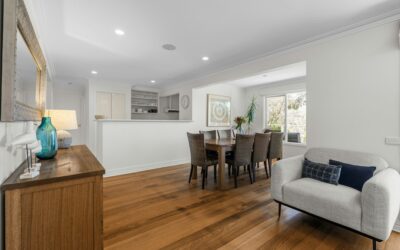
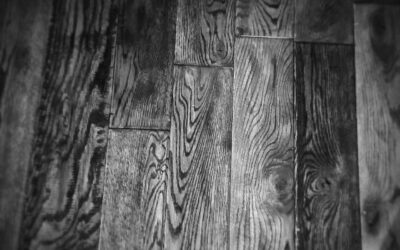
Walk into any modern Scandinavian-style home and the first thing you notice is the floor reflecting daylight up into the ceiling. White timber flooring has dominated upscale residential design for the past decade because it makes small rooms read larger, photographs beautifully, and pairs with almost any wall color. The trade-off is that pale floors are merciless about showing dust, pet hair, and every dropped raisin. This guide walks through the species, finish chemistry, real-world pricing, and the maintenance reality nobody mentions in the showroom.
What Counts as White Timber Flooring
The category covers everything from naturally pale species to heavily bleached or limewashed boards. True bone-white floors almost always involve a finish process — even white oak runs a warm honey tone before the stain goes down. Most installations land in one of three buckets: factory-prefinished European white oak with a white reactive stain, lye-and-soap traditional Scandinavian finish, or solid maple in a clear matte topcoat.
Pricing is wide. Big-box brands like Pergo Outlast and Mohawk RevWood sell white-toned engineered planks at $3.20 to $5.50 a sq ft. Mid-tier options from Mirage, Mercier, or Lauzon land at $7 to $11 a sq ft. Genuine wide-plank European oak from Carlisle, Stuga, or Madera Trading runs $14 to $22 a sq ft, and that is before the $4 to $7 a sq ft for installation.
Pros of White Timber Flooring
The aesthetic case writes itself. Pale floors bounce around 60% more visible light than mid-toned wood, which matters in north-facing rooms or basements with limited window count. Resale photos pop, listings spend fewer days on market, and contemporary furniture reads cleaner against a neutral floor.
- Hides scratches surprisingly well — fine surface wear blends into a pale finish far better than into espresso-stained boards
- Pairs with anything — black metal, walnut furniture, navy cabinetry, terracotta tile all work over a white floor
- Photographs beautifully — useful for short-term rentals and listings where light bounce drives perceived size
- Cool underfoot in summer — pale surfaces absorb less radiant heat than dark wood, a real perk in Phoenix or Atlanta
Cons and Real-World Drawbacks
White floors show every speck of grit. If you have a shedding dog, two kids, and no mudroom, plan on running a robot vacuum twice a day. Liquids are the bigger problem. Red wine, coffee, and pet urine penetrate even good urethane finishes if you do not catch them within a few hours, and the resulting stain telegraphs against the pale background.
UV behavior is the other quiet issue. White oak with a reactive white stain can amber slightly over five to seven years near south-facing windows. Maple goes the opposite way and can warm into a butterscotch tone. The mismatched yellowing under a long-stationary rug becomes obvious when you finally move the furniture.
Species That Actually Take a White Finish
Not every wood pale-stains well. Open-grain species accept white pigment cleanly; tight-grain species often look chalky or muddy.
- European white oak — the gold standard, takes reactive stains evenly and ages predictably
- American white oak — slightly more pinkish baseline but accepts whitewash beautifully
- Hard maple — naturally pale at $4 to $7 a sq ft, but it can blotch under pigmented stains
- Ash — open grain similar to oak, often 10 to 15% cheaper than European oak
- Hickory — only the sapwood reads white, so expect significant tonal variation board to board
Finish Systems and What They Cost
Bona NaturalSeal followed by Bona Traffic HD Raw remains the most popular site-finished system for keeping a freshly sanded look. Material runs around $1.40 a sq ft. For a true white pigment floor, contractors layer Rubio Monocoat Pure with white pigment at $2.10 a sq ft material, but it requires impeccable sanding because every scratch shows. Factory-prefinished European oak with reactive stain saves the labor mess and arrives ready to walk on the day of install.
Skip cheap polyurethane in glossy white. The finish yellows visibly within 18 months, and stripping it without damaging the white pigment is essentially impossible. Buy a product warranty that explicitly covers yellowing for at least 10 years.
Installation Tips From the Field
Acclimate boards in the space for a minimum of seven days before install — wide-plank engineered oak is moisture-sensitive and pale boards highlight gapping more than dark ones. Run a moisture meter check before the first row goes down. Aim for under 4% difference between the subfloor and the planks.
For floating installs, use a premium underlayment like QuietWalk Plus rather than the foam roll that came in the box. The acoustic difference is real and your downstairs neighbors will not complain. Glue-down installs over concrete need a 100% solids urethane like Bostik Best or Mapei Ultrabond ECO 995, around $0.85 a sq ft on materials.
Living With White Floors
Set up the maintenance routine before the boxes leave the garage. Buy two robot vacuums if your house is over 1,800 sq ft and run them on alternating zones daily. Keep a microfiber mop and a one-quart bottle of Bona Hardwood Floor Cleaner near every entry. Felt pads under every chair and table leg, replaced every 12 months — old felt picks up grit and sands the finish off.
For pet households, layer washable runners through the heavy traffic lanes. Ruggable and Lorena Canals both make machine-washable rugs that survive a weekly wash without curling. Plan on $400 to $900 for runners across a typical 2,000 sq ft layout.
When White Timber Flooring Makes Sense
This is the right floor for a contemporary or coastal home with reasonable foot traffic, a no-shoes culture, and an owner who actually enjoys cleaning. It is the wrong floor for a clay-soil suburb with three large dogs and toddlers. Be honest about your household before you commit. The aesthetic upside is real, but the maintenance load is the price of admission.
Prefer to explore on your own?
See how new flooring looks in your actual room in seconds — free, no signup.
Try the free Floor Studio →