If you have hardwood floors, chances are someone has recommended Bona hardwood floor cleaner to you. It is one of the most recognized names in wood floor care, used by homeowners and professional floor refinishers alike. But does it live up to the hype, and is it the right cleaner for your floors?
In this comprehensive guide, we break down everything you need to know about Bona hardwood floor cleaner, including how to use it correctly, what products are available, the pros and cons, and worthy alternatives to consider.
- What Is Bona Hardwood Floor Cleaner?
- Bona Hardwood Floor Cleaner Product Lineup
- How to Use Bona Hardwood Floor Cleaner
- Pros of Bona Hardwood Floor Cleaner
- Cons of Bona Hardwood Floor Cleaner
- Bona vs. Other Hardwood Floor Cleaners
- Tips for Getting the Most Out of Bona
- What Floors Should You Not Use Bona On?
- Frequently Asked Questions
- Final Verdict
What Is Bona Hardwood Floor Cleaner?
Bona is a Swedish company founded in 1919 that specializes in hardwood floor care products. Their hardwood floor cleaner is a water-based, residue-free formula designed specifically for unwaxed, polyurethane-finished wood floors. It is GREENGUARD Gold certified, meaning it meets strict standards for low chemical emissions.
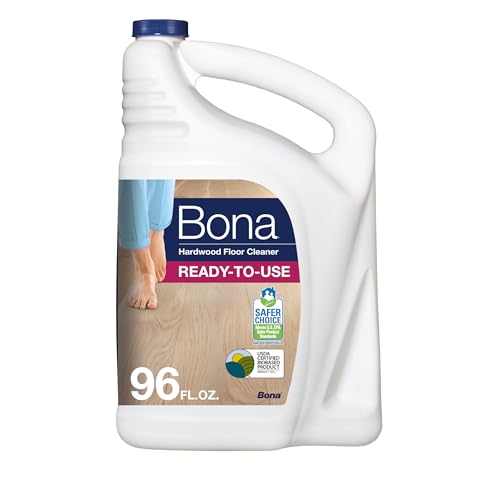
The cleaner comes in several formats, including a ready-to-use spray bottle, a refillable cartridge for the Bona spray mop system, and concentrated refill jugs. All formulations share the same pH-neutral, non-toxic base that is safe for use around children and pets.


Bona Hardwood Floor Cleaner Product Lineup
Bona Hardwood Floor Cleaner Spray (36 oz)
The classic spray bottle is the most affordable entry point. You simply spray it directly onto the floor and wipe with a microfiber mop or cloth. It works well for spot cleaning and smaller areas.
Bona Premium Spray Mop
This is Bona’s flagship product and probably the most popular way homeowners use the cleaner. The mop has a refillable cartridge that snaps into the handle, and you squeeze a trigger to mist the cleaning solution onto the floor. It comes with a washable microfiber pad.
Bona Hardwood Floor Cleaner Refill (128 oz)
The gallon-size refill jug is the most cost-effective option for regular users. You can refill the spray bottle or the mop cartridge directly from this container.
Bona PowerPlus Hardwood Floor Deep Cleaner
For tougher messes, Bona offers a deep-cleaning formula with added surfactants. It is designed to tackle ground-in dirt, scuff marks, and sticky residues without damaging the finish.
How to Use Bona Hardwood Floor Cleaner
Getting the best results from Bona requires proper technique. Follow these steps for a streak-free clean:
- Sweep or vacuum first. Always remove loose dirt, dust, and debris before wet cleaning. Grit left on the floor can scratch the finish when you mop over it.
- Spray in sections. Mist a light, even layer of cleaner onto a 4-by-6-foot section of floor. You do not need to saturate the surface.
- Mop with the grain. Use a microfiber mop and work in the direction of the wood grain. This helps pick up dirt from between the boards.
- Do not let it pool. Standing water is the enemy of hardwood floors. If you see puddles, you are using too much product. Wipe up excess immediately.
- Let it air dry. Bona dries quickly, usually within a few minutes. There is no need to rinse.
How Often Should You Use Bona?
For most households, cleaning hardwood floors with Bona once a week is sufficient. High-traffic areas like kitchens and entryways may benefit from cleaning twice a week. Daily sweeping or dust mopping between wet cleans will keep your floors in the best condition.
Pros of Bona Hardwood Floor Cleaner
- No residue. Unlike many general-purpose cleaners, Bona does not leave a sticky or hazy film on the floor. This is its single biggest advantage.
- Safe for polyurethane finishes. The pH-neutral formula will not degrade or dull sealed hardwood floors over time.
- GREENGUARD Gold certified. Low VOC emissions make it safer for indoor air quality, especially important for homes with children or allergy sufferers.
- Fast drying. Floors are typically dry within two to three minutes, reducing the risk of water damage and slip hazards.
- Widely available. You can find Bona at virtually every home improvement store, grocery store, and major online retailer.
- Pleasant, mild scent. The original formula has a light, clean scent that dissipates quickly.
Cons of Bona Hardwood Floor Cleaner
- Not for all floor types. Bona hardwood floor cleaner is designed only for sealed, polyurethane-finished wood. It should not be used on waxed, oiled, or unfinished hardwood. Bona makes separate products for those finishes.
- Will not remove deep stains. As a surface cleaner, it handles everyday dirt and grime well but cannot penetrate into the wood to remove stains that have gone below the finish.
- Cost adds up. At roughly $8 to $10 per 36-ounce bottle, regular use can get expensive compared to DIY cleaning solutions.
- Spray mop pads wear out. The microfiber pads that come with the Bona mop system need to be replaced periodically, adding to the ongoing cost.
- Not a polish or restorer. Bona cleaner cleans, but it does not add shine or repair scratches. You would need Bona Polish or Bona Refresher for that.
Bona vs. Other Hardwood Floor Cleaners
Bona vs. Murphy Oil Soap
Murphy Oil Soap is an oil-based cleaner that can leave a residue buildup on polyurethane-finished floors over time. This buildup can make floors look dull and may interfere with future refinishing. Bona’s water-based, residue-free formula is generally the better choice for modern sealed hardwood floors.
Bona vs. Method Wood Floor Cleaner
Method’s plant-based wood floor cleaner is another popular option. It is slightly less expensive than Bona and has a stronger almond scent. Both clean effectively, but Bona has a longer track record and is more widely recommended by flooring professionals.
Bona vs. Vinegar and Water
A common DIY solution is diluted white vinegar and water. While this is very cheap, the acidity of vinegar can slowly break down polyurethane finishes over time. Most flooring manufacturers and installers advise against using vinegar on hardwood. Bona is the safer long-term choice.
Bona vs. Swiffer WetJet Wood
The Swiffer WetJet Wood solution is formulated for hardwood floors and is convenient to use. However, some users report a slight residue compared to Bona. The Swiffer system also locks you into buying proprietary pads and solution bottles, whereas Bona’s mop uses reusable microfiber pads.
Tips for Getting the Most Out of Bona
- Use microfiber only. Cotton mops and sponge mops hold too much water and can leave streaks. Microfiber picks up dirt more effectively and wrings out almost completely.
- Wash your mop pads regularly. A dirty mop pad just pushes grime around. Machine wash pads in warm water without fabric softener after every two to three uses.
- Buy the refill jug. The 128-ounce refill is significantly cheaper per ounce than buying individual spray bottles.
- Use Bona PowerPlus for deep cleaning. If your regular Bona cleaner is not cutting through buildup, switch to the deep cleaner before assuming you need to refinish your floors.
- Place mats at entryways. The best way to keep hardwood floors clean is to prevent dirt from getting on them in the first place. Use floor mats at every exterior door.
What Floors Should You Not Use Bona On?
Bona Hardwood Floor Cleaner is specifically designed for polyurethane-sealed hardwood. Do not use it on the following surfaces:
- Waxed hardwood floors. Use Bona Wax Hardwood Floor Cleaner instead.
- Oiled hardwood floors. Use Bona Oil Refresher or a cleaner recommended by your oil finish manufacturer.
- Laminate flooring. Bona makes a separate laminate floor cleaner for this purpose.
- Vinyl and tile. Bona also offers dedicated cleaners for vinyl and tile flooring.
- Unfinished wood. Never wet-clean unfinished hardwood, as water will soak into the grain and cause damage.
Frequently Asked Questions
Is Bona safe for pets?
Yes. Bona hardwood floor cleaner is non-toxic and safe for homes with pets. Once the floor is dry, there is no chemical residue that could harm animals.
Does Bona disinfect floors?
The standard Bona hardwood floor cleaner is not a disinfectant. If you need to disinfect your hardwood floors, Bona offers a separate Bona PowerPlus Antibacterial Floor Cleaner that kills 99.9% of household germs.
Can Bona make floors slippery?
When used correctly, Bona should not make floors slippery because it leaves no residue. If floors feel slick after cleaning, you are likely using too much product. Reduce the amount you spray per section.
Where can I buy Bona hardwood floor cleaner?
Bona products are available at Home Depot, Lowe’s, Target, Walmart, Amazon, and most grocery stores. The full product range is also available on Bona’s official website.
Final Verdict
Bona hardwood floor cleaner is a reliable, well-formulated product that delivers on its core promise: a clean, residue-free finish on sealed hardwood floors. It is not the cheapest option on the market, but its consistent performance, safety certifications, and professional endorsements make it a worthwhile investment for homeowners who want to protect their hardwood flooring investment.
For best results, pair it with a quality microfiber mop, clean regularly, and remember that the cleaner is just one part of a complete hardwood floor care routine that includes sweeping, using protective mats, and addressing scratches before they become bigger problems.
Prefer to explore on your own?
See how new flooring looks in your actual room in seconds — free, no signup.
Try the free Floor Studio →